
10 Vehicles That Lose Leverage After the Warranty Ends

Warranties feel like protection.
For some cars, they’re just a delay.
Everything works exactly as promised while someone else is responsible. The moment that coverage ends, the balance of power shifts—and ownership turns against you.
These are the vehicles that feel safe right up until the warranty expires—then the leverage is gone.
#10 – Dodge Journey / Jeep Compass / Cherokee
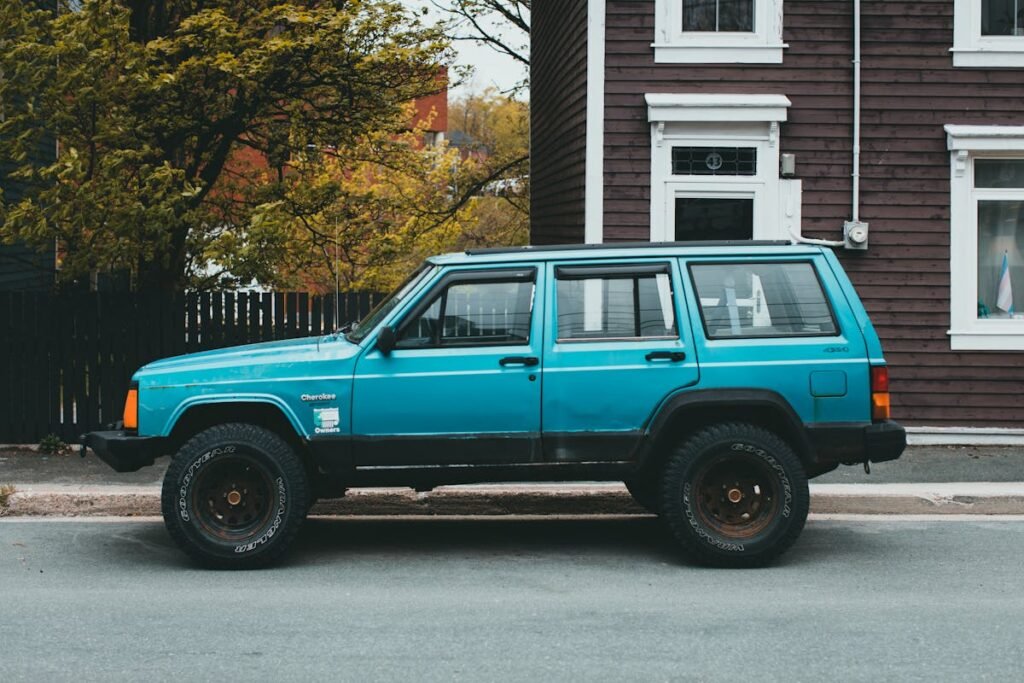
For many people, this pattern begins with vehicles that are chosen for practical reasons rather than passion. The Dodge Journey and Jeep Compass often enter households because they fit a budget, offer space, and come with warranty coverage that makes early ownership feel safe.
During the first few years, most owners experience minor quirks rather than outright failures. The nine-speed automatic transmission shifts awkwardly at times, hesitates under light throttle, or behaves inconsistently in traffic, but these issues are often explained away as normal characteristics rather than defects.
The factory powertrain warranty lasts five years or sixty thousand miles, and there’s a reason those transmissions tend to fail shortly after that threshold. Once coverage ends, owners begin facing transmission replacement quotes ranging from thirty-five hundred to forty-five hundred dollars, often on vehicles worth eight to twelve thousand dollars at best.
Electrical problems follow a similar arc. Random stalling, no-start conditions, and intermittent warning lights lead to repeated diagnostic visits that cost several hundred dollars each before any actual repair work begins. Annual maintenance averages around six to seven hundred dollars, which sounds reasonable until you add in the major repairs that arrive with uncomfortable regularity.
By the time owners consider their options, they’re often staring at a repair bill that represents nearly half the car’s value. At that point, ownership turns into a question of sunk costs rather than usefulness, and that realization tends to carry over to whatever comes next.
#9 – Chrysler Pacifica
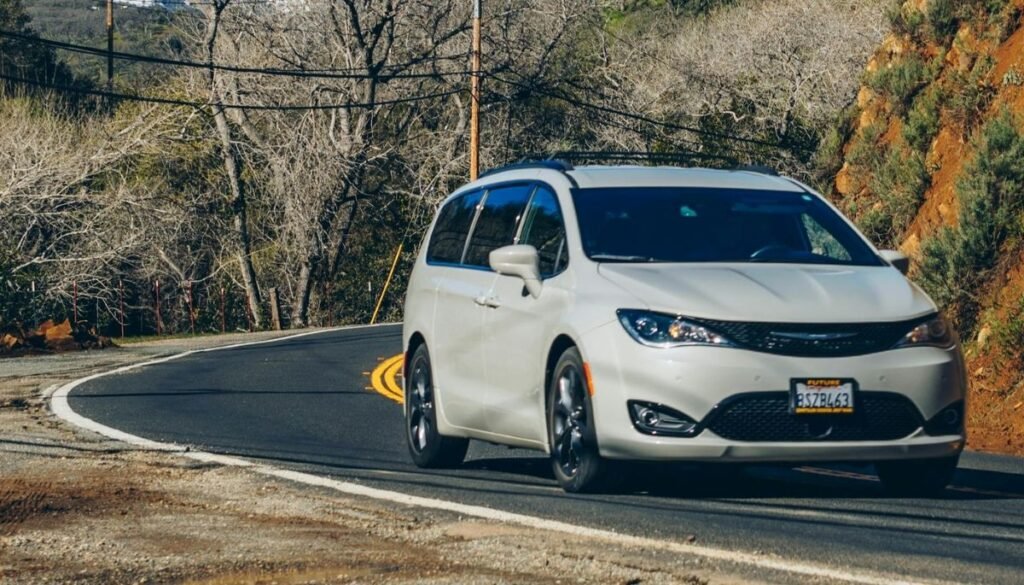
Minivans are bought with an unspoken agreement. They’re supposed to remove complexity from life, not introduce it. That’s why Pacifica owners often sound less angry than exhausted when describing their experiences.
Transmission issues usually begin subtly, somewhere between thirty and forty thousand miles, with shuddering shifts or hesitation that dealers struggle to diagnose conclusively. Software updates are applied, reassurances are given, and life moves on until the powertrain warranty expires at sixty thousand miles.
Shortly after that, many owners experience complete transmission failure, with replacement costs hovering around fifty-five hundred dollars out of warranty. What makes this particularly draining is that some owners report needing multiple replacements, sometimes reaching their third transmission before one hundred thousand miles.
Electrical issues add another layer of unpredictability, with wiring harness problems causing sudden power loss or failure to start. Annual maintenance costs often fall between nine hundred and twelve hundred dollars, not including the catastrophic failures that dominate ownership conversations.
When a vehicle purchased to support family life starts competing with long-term financial goals, the emotional weight of that decision becomes very real, and the pattern becomes difficult to ignore.
#8 – Acura MDX / Rdx (Nine-Speed)
Acura attracts buyers who believe they’re choosing refinement without risk. The expectation is that Honda engineering, combined with luxury features, should result in a safer long-term bet.
The nine-speed transmission disrupts that assumption. Owners report rough shifts, hesitation during acceleration, and unpredictable behavior that often begins before fifty thousand miles. Honda issued multiple software updates over the years, an indication that the issue was being managed rather than eliminated.
Once the four-year or fifty-thousand-mile warranty expires, transmission replacements become more common, with costs reflecting the luxury branding rather than the reliability expectations buyers brought with them. Infotainment system failures, paint defects, and premature wear add to the sense that ownership is becoming more complicated rather than easier.
Annual maintenance costs exceed segment averages, and what initially felt like a safe choice begins to feel more like a compromise that didn’t deliver what was promised.
#7 – Volkswagen Touareg / Atlas / Tiguan

Volkswagen ownership rarely feels dramatic, which is precisely how the costs accumulate unnoticed. Repairs tend to arrive individually, each one reasonable in isolation.
Water pump failures are common and typically cost between eight hundred and fifteen hundred dollars. Timing chain tensioners on turbocharged engines fail unpredictably, leading to repair bills in the two to four thousand dollar range. DSG transmissions develop shuddering or mechatronic failures that can cost three to five thousand dollars to address.
Annual maintenance averages nine hundred to a thousand dollars, and premium fuel and synthetic oil changes add a constant baseline cost before anything breaks. Over a five-year span, it’s not unusual for owners to spend eight to twelve thousand dollars on repairs and maintenance without ever experiencing a single catastrophic failure.
The realization comes slowly, often years later, when owners step back and recognize that the car has been quietly extracting value the entire time.
At this point, a pattern should be taking shape. Warranty coverage tends to expire just before the expensive problems become unavoidable. That timing isn’t accidental. It’s an acknowledgment of how long manufacturers expect their vehicles to behave predictably.
And once that safety net disappears, the cost of complexity becomes much harder to ignore.
#6 – Tesla Model S / Model X (Pre-2020)
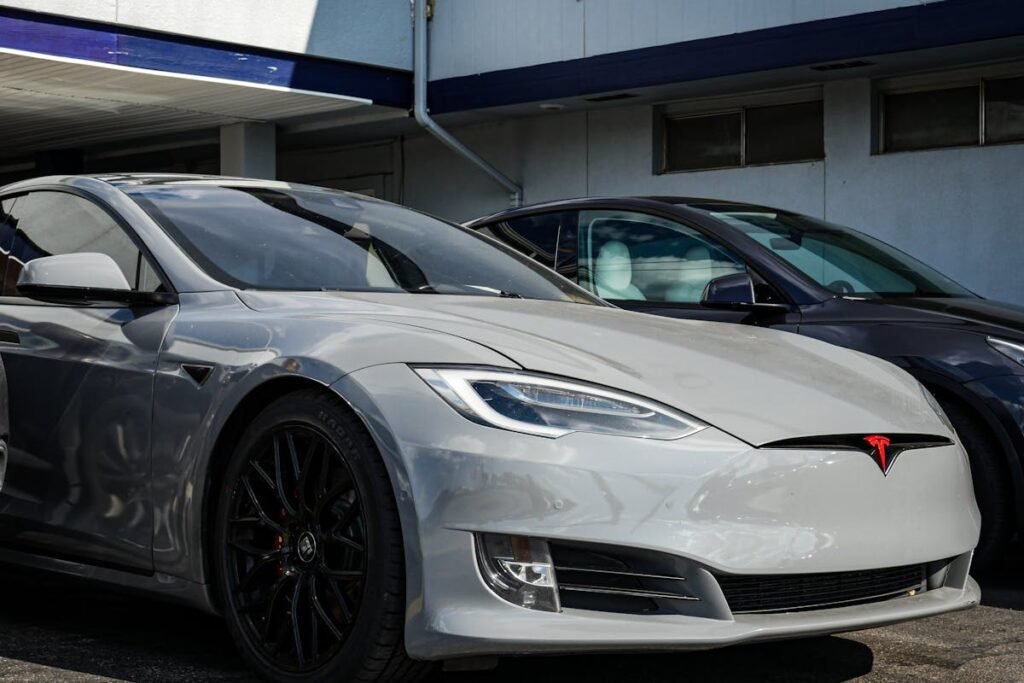
Electric vehicles promise simplicity, but for early Model S and X owners, that promise hinges almost entirely on battery coverage. Tesla’s eight-year battery warranty provides reassurance until it doesn’t.
Once that warranty expires, battery replacement costs range from thirteen to twenty-five thousand dollars depending on pack size, with total replacement costs often landing between seventeen and twenty-two thousand dollars including labor. At that point, many vehicles are worth less than the repair itself.
Other issues compound the problem. Falcon-wing door repairs on the Model X can cost three to six thousand dollars per door. Drive unit replacements run five to seven thousand dollars. Labor rates at Tesla service centers often exceed one hundred seventy-five dollars per hour.
For many owners, the decision becomes purely mathematical. Spending twenty thousand dollars to repair a car worth thirty thousand rarely feels rational, and that’s why so many early Teslas quietly exit the market with unresolved issues attached.
#5 – Audi A4 / A6 / Q5 / Q7

Audi ownership rewards attention but punishes complacency. Direct-injection engines accumulate carbon buildup that requires walnut blasting every forty thousand miles, typically costing five hundred to a thousand dollars per service.
Turbochargers fail at two to three thousand dollars. Water pumps and cooling components add another thousand-dollar repair every few years. Oil leaks from valve cover gaskets become common around seventy thousand miles, adding further expense.
Over ten years, maintenance and repair costs average around twelve thousand four hundred dollars, significantly higher than comparable Lexus models. Annual costs after warranty often range from one to fifteen hundred dollars, assuming no major failures occur.
The car rarely collapses all at once. Instead, it demands constant attention, and over time that attention becomes expensive enough to change how owners feel about the experience.
#4 – Jaguar F-Pace / Xf / I-Pace
Jaguar’s longer warranty, five years or sixty thousand miles, often feels reassuring at first. In practice, it functions more like a delay.
Electrical issues are frequent, ranging from infotainment failures to sensor malfunctions that cost over sixteen hundred dollars to diagnose and repair. Engine failures, though less common, are devastating when they occur, with replacement quotes starting near twenty-eight thousand dollars.
Annual maintenance averages around eleven hundred dollars, but that figure becomes meaningless once major components fail. Extended warranties become less of a choice and more of a prerequisite for ownership.
For many owners, the emotional attachment to the vehicle competes constantly with the financial reality of keeping it running.
#3 – Land Rover Range Rover / Discovery

Land Rover vehicles often deliver exactly what buyers want, at least initially. Comfort, presence, and capability are undeniable.
The factory warranty ends at three years or thirty-six thousand miles, and many significant issues appear shortly after. Air suspension failures typically cost between twenty-five hundred and four thousand dollars. Electrical faults lead to repeated dealer visits, each costing several hundred dollars before repairs even begin.
Transmission rebuilds can exceed eight thousand dollars. Over a few years, owners frequently spend ten to fifteen thousand dollars on repairs while watching the vehicle’s value slide into the high twenties.
At that point, ownership begins to feel like managing risk rather than enjoying capability.
#2 – Mercedes-Benz S-Class / E-Class
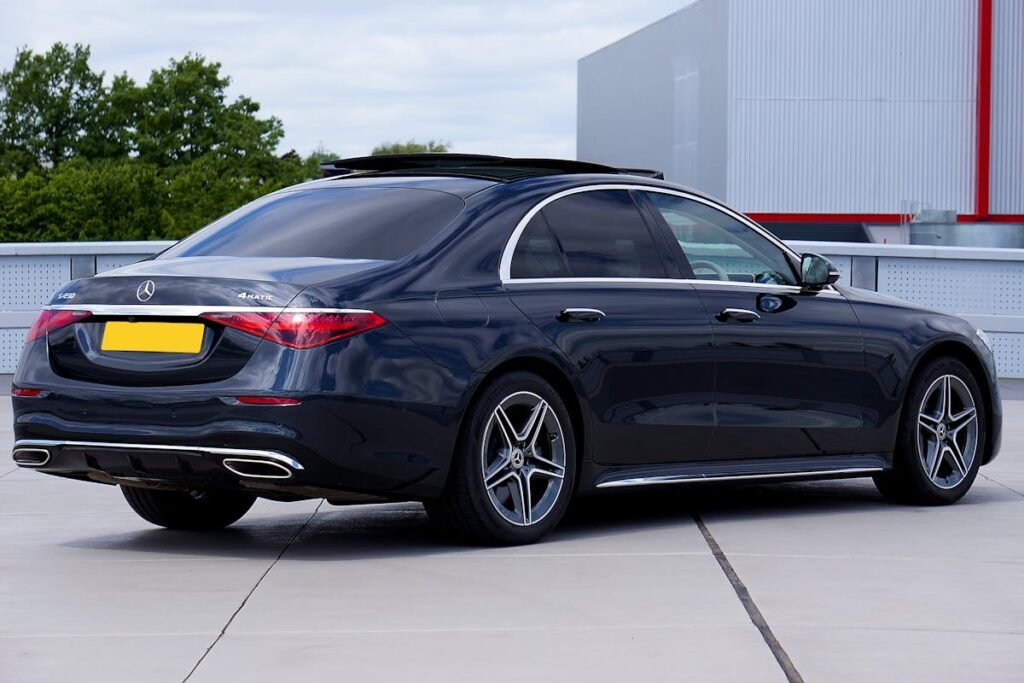
Mercedes vehicles are unapologetically complex, and that complexity carries a cost once warranty coverage ends. Annual repairs often range from one to two thousand dollars assuming nothing major breaks, which is rarely the case.
Active Body Control suspension failures cost between five and ten thousand dollars. Air suspension systems fail for two to five thousand dollars. Electronic diagnostics alone can run two hundred dollars per hour.
On older models, a single suspension repair can exceed the vehicle’s remaining value. The car remains extraordinary to drive, but ownership becomes a constant negotiation with reality.
#1 – BMW 7 Series / 5 Series / X5

BMW ownership feels effortless during the warranty period, with free maintenance and comprehensive coverage masking the true cost of complexity. Once coverage ends, annual maintenance jumps to one to seventeen hundred dollars before major repairs.
N63 engine failures cost eight to fifteen thousand dollars. Electric water pumps fail around sixty thousand miles at twelve hundred dollars. Even routine battery replacements require registration to the engine control module, adding cost and inconvenience.
BMW owners spend an average of seventeen thousand eight hundred dollars over ten years on maintenance and repairs, the highest of any major brand. The extended warranty pricing reflects that expectation clearly.
At that stage, ownership becomes analytical rather than emotional, and every repair is weighed against the car’s remaining value.
Conclusion
Every vehicle on this list shares the same truth. The warranty isn’t just protection. It’s a countdown.
Manufacturers know when ownership becomes expensive, and coverage ends just before that point. Once it does, complexity transfers fully to the owner.
Before buying any car, the most important question isn’t how it drives when everything works. It’s how much it costs when nothing is covered anymore.
Answer that honestly, and you avoid learning the lesson the hard way.
