
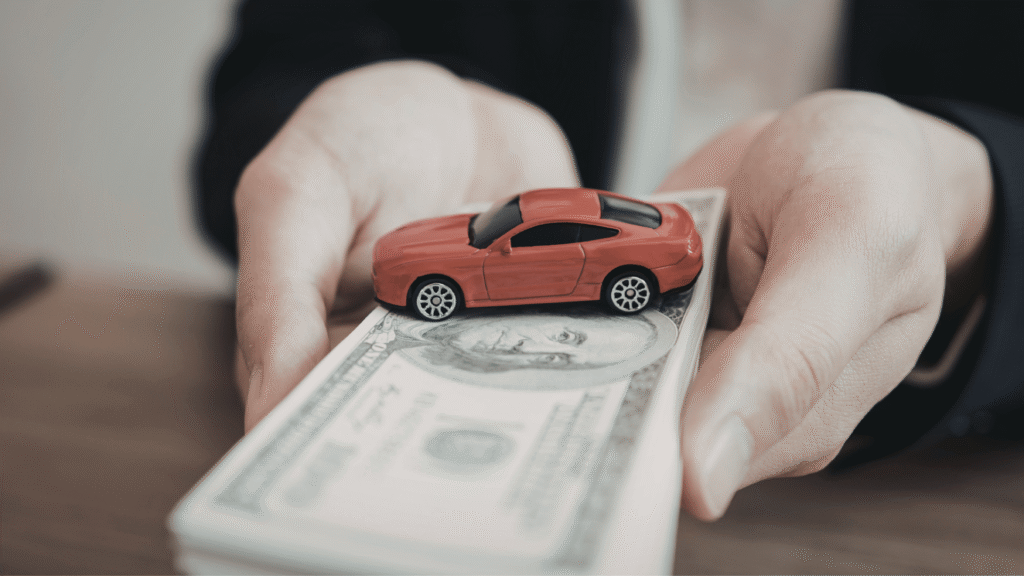
Why car prices are increasing in 2026 is no longer a theory or a future prediction — it’s already happening, and the reason isn’t better technology or added features. The real driver behind higher vehicle prices is a wave of government tariffs that quietly reshaped the auto market over the last year. From new cars to used vehicles, from repairs to insurance, these tariffs are adding thousands of dollars to the total cost of owning a car. In this breakdown, you’ll see exactly how tariffs pushed prices up, which types of vehicles are hit the hardest, and what smart buyers can still do to avoid paying the full penalty in 2026.
Why Car Prices Are Increasing in 2026
How Tariffs Triggered a Chain Reaction in Auto Pricing
Car prices began rising after a series of tariffs were imposed on imported vehicles, auto parts, steel, and aluminum. Modern cars are built through global supply chains, where parts often cross borders multiple times before final assembly. When tariffs were added at different stages, costs stacked up instead of hitting once. Even vehicles assembled in the United States rely heavily on imported components, meaning higher material and production expenses became unavoidable. These layered cost increases created a chain reaction across manufacturing, logistics, and sourcing, ultimately pushing base vehicle prices higher for nearly every model sold in 2026.
Why Automakers Stopped Absorbing Costs in 2026
During most of 2025, automakers absorbed tariff costs to avoid scaring buyers and losing market share. That strategy drained profits and increased financial pressure as trade uncertainty dragged on. By 2026, manufacturers could no longer justify taking billions in losses. Instead, they shifted those costs to consumers through higher MSRPs, fewer incentives, and pricier options. The result was a sudden jump in vehicle prices, as delayed costs were passed on all at once rather than gradually.
The 2026 Tariff Reality
The price shock buyers are feeling in 2026 didn’t come out of nowhere. It’s the result of a series of tariff decisions made throughout 2025 that reshaped how cars are priced in the United States. Understanding the timing, scope, and uncertainty around these tariffs explains why costs escalated instead of stabilizing.
What Tariffs Were Imposed on Cars and Auto Parts in 2025
In 2025, a 25% tariff was introduced on imported vehicles entering the United States, followed by another 25% tariff on imported auto parts. Steel and aluminum used in vehicle production were also subject to tariffs, even when the final car was assembled domestically. These measures raised costs at multiple points in the supply chain. Automakers faced higher expenses not just on finished cars, but on essential components and raw materials required to build them.
Trade Deals, Uncertainty, and Ongoing Price Pressure
While some trade partners later negotiated reduced tariff rates, the changes came slowly and unevenly. Tariffs with certain regions were lowered, paused, or renegotiated, while others remained in flux. This uncertainty made long-term pricing impossible for automakers. Instead of planning around stable costs, manufacturers prepared for worst-case scenarios, baking higher expenses into vehicle prices to protect themselves from sudden policy shifts.
How Much More Consumers Are Paying for New Cars
Why car prices are increasing in 2026 becomes obvious when you look at how much more consumers are paying for new cars compared to previous model years. New car prices in 2026 are not rising by a few hundred dollars — they are jumping by thousands. Multiple data sources now confirm that tariffs have translated directly into higher sticker prices, leaving buyers paying significantly more for vehicles that have not meaningfully changed from previous model years.
The $6,400 Increase Explained With Real Data
Economic analysis from research groups shows tariffs are adding an average of $6,400 to the price of a new vehicle. This increase reflects higher import costs, pricier materials, and added expenses passed through the supply chain. Some vehicle categories face smaller increases, while others exceed this average depending on where they are built and how much foreign content they use. Regardless of model, most buyers are now paying thousands more than they would have before tariffs took effect.
Paying More for the Same Vehicle Features
Despite higher prices, most 2026 vehicles offer little to no improvement in features or performance. Price hikes are being attributed to model-year updates or market conditions, but the core vehicles remain largely unchanged. Buyers are effectively paying a tariff premium rather than receiving added value, making the cost increase feel sharper and harder to justify.
How Tariffs Affect Every Vehicle Sold in the US
Many buyers assume tariffs only apply to imported cars, but that’s not how the modern auto industry works. This is a key reason why car prices are increasing in 2026 even for vehicles assembled inside the United States. In 2026, tariff-related costs are embedded into nearly every vehicle sold in the United States, including those assembled domestically, because of how global automotive supply chains operate.
Why US-Assembled Cars Still Rely on Imported Parts
Even cars built in American factories depend heavily on parts sourced from outside the country. Engines, transmissions, electronics, batteries, sensors, and raw materials often come from multiple nations before final assembly. When tariffs are applied to these components, costs rise long before the car reaches the showroom. Those higher input costs are passed through production, logistics, and distribution, raising prices on US-assembled vehicles alongside imported models.
Why Fully Tariff-Free Cars Do Not Exist
A vehicle made entirely with domestic materials and parts is essentially impossible in today’s market. Most modern cars contain a significant percentage of foreign content, often ranging from 30% to over 50%. Because tariffs apply at different stages of production, even a small amount of imported material can trigger higher overall costs. As a result, no vehicle sold in the US escapes tariff exposure in 2026.
The Hidden Reasons Why Car Prices Are Increasing in 2026
Sticker prices don’t tell the full story of what buyers are paying in 2026. Beyond the headline MSRP, costs are being pushed higher through pricing tactics that quietly increase the final out-the-door number. These hidden increases make cars feel dramatically more expensive even when the base price change looks small on paper to consumers today.
Why Car Prices Are Increasing in 2026 Beyond the Sticker Price
Why car prices are increasing in 2026 goes far beyond the window sticker. Buyers are paying more through financing gaps, reduced incentives, higher insurance premiums, and long-term ownership costs. Tariffs raise repair expenses and parts prices, which insurers factor into rates. Over time, these compounding costs add thousands beyond purchase, making the real price of ownership far higher than MSRP suggests for most buyers nationwide.
MSRP Increases, Fees, and Feature Unbundling
Automakers are increasing MSRPs, shrinking discounts, and charging higher destination and dealer fees. Features once standard are now bundled into costly packages, forcing buyers to pay extra. Each change looks minor alone, but together they significantly raise the final transaction price without improving the vehicle itself in any meaningful way.
Why Used Car Prices Remain Elevated
Another reason why car prices are increasing in 2026 is the pressure higher new car prices have placed on the used market. Used car prices have not fallen the way many buyers expected, even as supply chains improved. The pressure created by higher new car prices continues to spill into the used market, keeping demand strong and limiting how far prices can realistically decline in 2026.
Demand Shifts From New Cars to Used Cars
As new vehicles become more expensive, many buyers are priced out and turn to used options instead. This sudden shift increases competition for used inventory, especially for reliable, low-mileage vehicles. When more buyers chase the same cars, sellers gain leverage, preventing meaningful price drops despite broader market cooling.
Long-Term Supply Shortages in the Used Market
The used car market is still feeling the effects of years of reduced new car production. Millions of vehicles that were never built will never enter the used supply. This permanent shortage limits availability, keeping prices elevated even as demand fluctuates and conditions normalize.
Rising Repair and Insurance Costs After Purchase
The financial impact of tariffs doesn’t stop once the car is bought. In 2026, owners are paying more long after purchase through higher repair bills and rising insurance premiums. These ongoing costs quietly increase the total cost of ownership and catch many buyers off guard. These ongoing expenses explain why car prices are increasing in 2026 not just at purchase, but throughout ownership.
Higher Parts Costs Due to Import Tariffs
Most replacement parts used in repairs are imported, which means tariffs directly raise their prices. Items like headlights, sensors, bumpers, and electronic modules now cost significantly more than they did before 2025. Even routine repairs become more expensive, adding hundreds or thousands of dollars over the life of the vehicle.
The White House proclamation imposed a 25% tariff on imported automobiles and certain automobile parts. The White House proclamation imposed a 25% tariff on imported automobiles and certain automobile parts.
Insurance Premiums Rising With Repair Expenses
As repair costs rise, insurance companies adjust premiums to cover higher claim payouts. More expensive parts and labor mean costlier accidents, even minor ones. These increased risks are passed on to drivers, pushing insurance rates higher year after year.
Which Vehicles Are Hit the Hardest by Tariffs
Not all vehicles are affected equally by tariffs. Some models face far higher cost increases because of where they are built and how complex their supply chains are. In 2026, buyers who choose the wrong category can end up paying thousands more compared to similar vehicles with lower tariff exposure across the current US market.
Heavily Imported Cars and Trucks
Heavily imported cars and trucks are the most vulnerable to tariffs because they face direct import taxes before reaching dealerships. Vehicles built in Mexico, Europe, or Asia often carry higher costs immediately. Trucks like compact pickups and popular crossovers rely on cross-border production, meaning tariffs apply multiple times, raising final prices far more than buyers expect once supply chains are fully accounted for during 2026.
Luxury and Electric Vehicles With Global Supply Chains
Luxury and electric vehicles face additional pressure because their components are sourced globally. High-end electronics, batteries, and specialized parts are rarely domestic. When tariffs raise costs at each stage, these vehicles experience sharper price jumps, making premium and EV models some of the most expensive choices in 2026 overall nationwide.

Which Cars Make More Financial Sense in 2026
With prices rising across the market, smart buying matters more than ever in 2026. Some vehicles are better positioned to avoid the worst tariff impact, while others expose buyers to unnecessary long-term costs. Choosing carefully can reduce both upfront prices and ownership expenses.
Vehicles With Higher Domestic Assembly and Content
Cars assembled in the US with higher domestic content tend to face smaller price increases. While no vehicle is fully tariff-free, models with fewer imported components experience less cost stacking across the supply chain. These vehicles often see slower price growth and slightly better incentive support compared to heavily imported alternatives.
Buying Pre-Tariff Used Cars and Hybrids
Used vehicles imported or built before tariffs took effect avoid much of the added cost. Hybrids can also make financial sense, as they rely on smaller batteries and simpler supply chains than full EVs, reducing exposure to tariff-driven price increases.
The Bottom Line
Car buying in 2026 is fundamentally more expensive than it was just a few years ago. Tariffs have reshaped pricing, ownership costs, and long-term affordability in ways most buyers didn’t anticipate.
Why Car Prices Are Increasing in 2026 for Buyers Long-Term
Why car prices are increasing in 2026 goes beyond the purchase price. Tariffs raise repair costs, insurance premiums, and ownership expenses, turning what looks like a one-time increase into a long-term financial burden.
How to Reduce the Financial Damage in 2026
Buy vehicles with higher domestic content, consider pre-tariff used cars, avoid heavily imported models, and delay purchases if possible. Smart timing and careful model selection can save thousands despite higher market prices.
You can read all blogs by clicking here.