
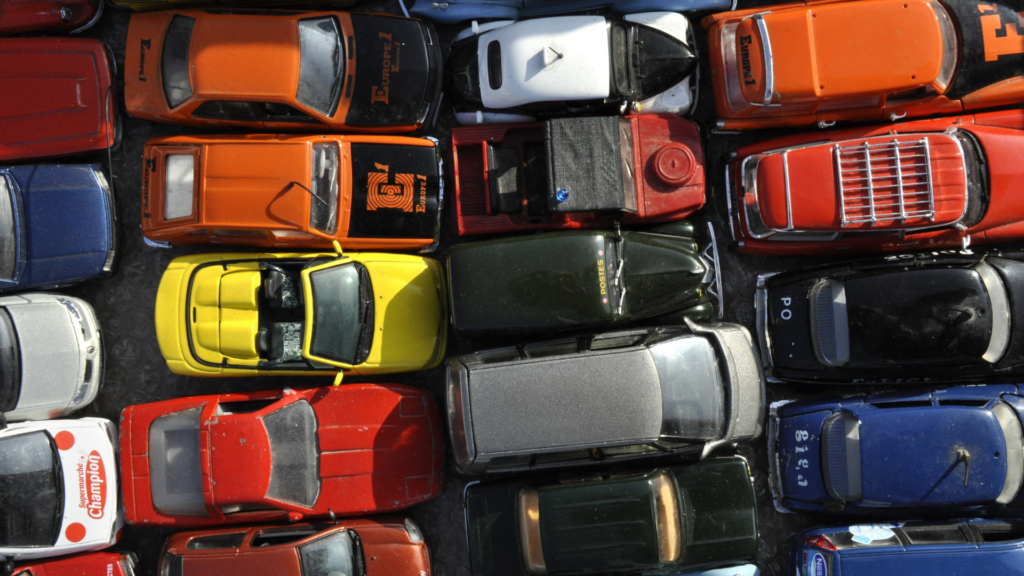
Why Are Used Cars Still Expensive in 2026? Prices have dropped from their peak, listings look more reasonable, and the market appears calmer than it did a few years ago. Yet for many buyers, ownership feels heavier than ever. Monthly payments haven’t eased the way sticker prices have. Insurance bills are rising. Repairs hit harder and more often. The truth is simple: the cost didn’t disappear — it moved. And unless you understand where that cost lives now, a car that looks affordable upfront can quietly become a long-term financial drain.
Why Are Used Cars Still Expensive in 2026 Even After Prices Dropped
Used car prices have cooled compared to their historic peaks, and on paper the market looks healthier. Listings show lower numbers, and buyers assume affordability has returned. But ownership doesn’t reset just because asking prices fall. Financing conditions, insurance premiums, and long-term exposure now shape the real burden. The sticker may look lighter, yet the total obligation often feels just as heavy — sometimes heavier — than before.
Prices dropped but monthly payments stayed high
While vehicle prices softened, borrowing costs moved in the opposite direction. Higher interest rates and extended loan terms kept monthly payments elevated even as purchase prices declined. Buyers focus on the listed price, expecting relief, but financing absorbs that discount quickly. The result is a lower sticker paired with a payment that barely changes.
Ownership depends on structure, not sticker
The true expense of a used car is determined by how the deal is built, not what the windshield shows. Loan length, interest rate, depreciation speed, and timing of repairs define affordability. A modest price attached to an aggressive financing structure can cost more over time than a higher-priced car with healthier terms. Structure, not sticker, controls the outcome.
Why Used Car Monthly Payments Are Still High
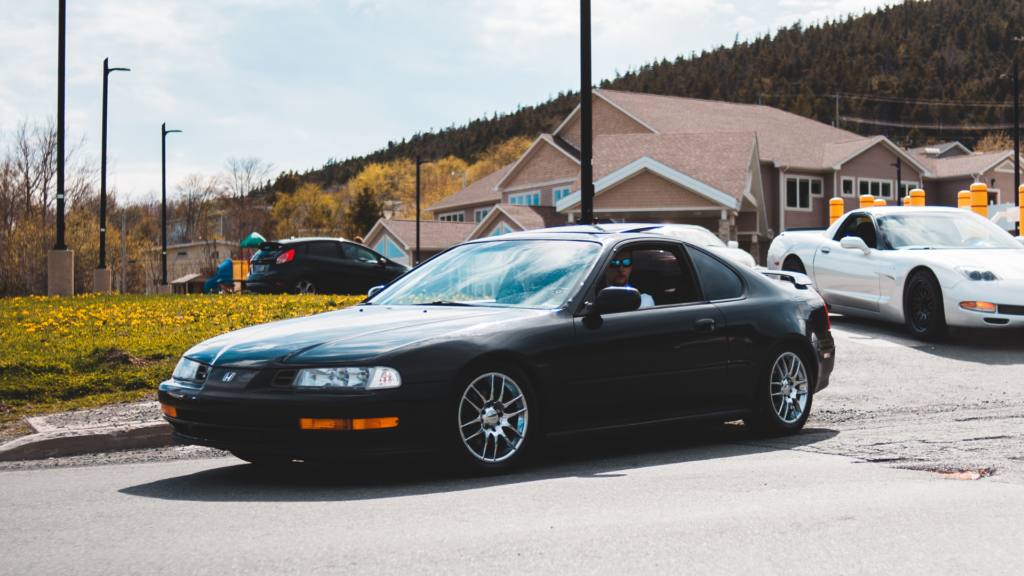
Monthly payments remain elevated because financing conditions have shifted more aggressively than vehicle prices have fallen. Interest rates climbed into high single and double digits, and lenders quietly extended repayment timelines. This combination keeps obligations heavy even when the sticker looks manageable. It also explains Why Are Used Cars Still Expensive in 2026, not at purchase, but across years of structured repayment.
High interest rates on used car loans
High interest rates on used car loans are now a primary cost driver. What once felt normal at four percent has moved closer to ten or twelve percent for many buyers. Over six or seven years, that difference extracts thousands of dollars in added interest, quietly inflating the total cost of a depreciating vehicle.
Why Are Used Cars Still Expensive in 2026 When Interest Is High
Why Are Used Cars Still Expensive in 2026 when interest is high? Because borrowing costs compound silently. Even a modest loan becomes expensive when double-digit APR stretches across extended terms. The buyer sees an acceptable monthly figure, but the structure ensures long-term overpayment, keeping ownership costly despite softer listing prices.
Longer loan terms increase total cost
Longer loan terms reduce monthly pressure but expand total exposure. Moving from five years to six or seven lowers the payment slightly while increasing total interest paid. The car depreciates throughout that period, yet the loan remains active. What feels affordable upfront often becomes restrictive as time and interest accumulate together.
Insurance and the Hidden Costs of Buying a Used Car
Beyond financing, ownership costs continue to rise in areas many buyers underestimate. Insurance premiums, repair complexity, and aging components now carry more financial weight than the sticker price itself. These expenses don’t arrive all at once, which makes them harder to detect. Over time, however, they reshape affordability and turn what looked like a smart purchase into a layered, ongoing obligation.
Used car insurance costs rising
Used car insurance costs rising is no longer limited to luxury models. Modern vehicles rely on sensors, cameras, and driver-assistance systems that are expensive to recalibrate or replace. Even minor accidents now involve advanced components and specialized labor. Insurers price in that risk, pushing premiums higher year after year, regardless of whether the vehicle is new or used.
Used car repair costs after warranty
Used car repair costs after warranty increase sharply once factory coverage expires. Electronics, infotainment systems, transmissions, and hybrid components often fail without gradual warning. These repairs are rarely minor and frequently reach four figures. Owners still making loan payments must fund these expenses separately, turning routine ownership into a sequence of unplanned financial shocks.
How these hidden costs explain why used cars are still expensive in 2026
How these hidden costs explain why used cars are still expensive in 2026 becomes clear over time. Interest continues accumulating, insurance premiums stay elevated, and repairs surface unpredictably. Each expense feels isolated, yet together they recreate the financial pressure buyers expected prices to solve. The burden shifted away from MSRP and into the ongoing structure of ownership itself.
Why Are Used Cars Still Expensive in 2026 After Warranty Expires
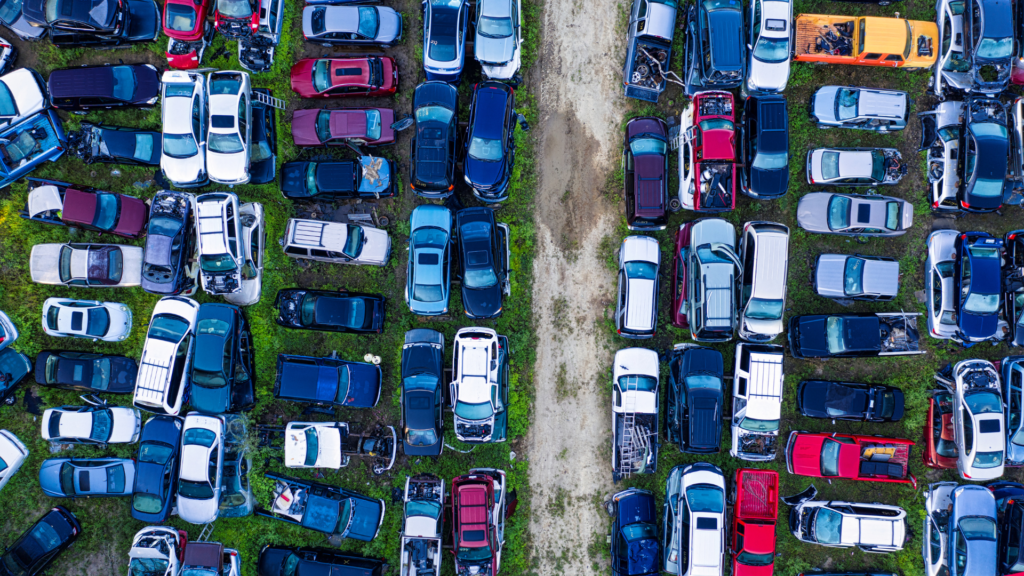
Once factory coverage ends, the financial risk shifts entirely to the owner. Vehicles that seemed reliable during warranty years begin demanding attention just as repair responsibility transfers. At the same time, many buyers are still locked into extended loan terms. This overlap—aging components and active debt—explains why ownership pressure intensifies instead of easing over time.
The 2018–2021 danger zone
The 2018–2021 model years sit at the center of current risk. These vehicles look modern and desirable, yet many are exiting warranty coverage while still carrying complex, early-generation technology. Buyers view them as a safe middle ground, but they combine high repair exposure with active financing, creating financial strain at the worst possible timing.
Technology complexity increases repair risk
Modern used vehicles are densely packed with software-driven systems, sensors, digital displays, and advanced driver-assistance features. As these components age, failure becomes more expensive and less predictable. Independent repair options are limited, often pushing owners toward dealership service rates. Complexity was designed to enhance appeal when new, not to reduce long-term maintenance costs.
Depreciation and negative equity
Depreciation accelerates just as repair risk rises. The vehicle’s market value declines faster than the loan balance, especially under extended financing. If owners attempt to sell or trade, they frequently face negative equity. Rolling that balance forward increases total debt, deepening the cycle and making exit increasingly difficult without absorbing a financial loss.
Who Gets Trapped and Who Escapes High Used Car Costs
The difference between buyers who struggle and those who regain control is rarely income alone. It is behavior, timing, and tolerance for complexity. Some focus on appearance and short-term comfort, while others prioritize durability and financial structure. Over time, these choices compound. One path extends debt and repair exposure; the other reduces it steadily and quietly.
The trapped buyer pattern
The trapped buyer prioritizes newer used vehicles with modern features and accepts longer loan terms to manage the monthly number. Repair risks are underestimated, and rising insurance costs are treated as temporary. When pressure builds, they trade early, often rolling negative equity into a new loan. The cycle repeats with different paperwork but similar financial strain.
The disciplined buyer strategy
The disciplined buyer favors reliability over trend and avoids unnecessary complexity. Shorter loan terms reduce total interest exposure, and once the balance is cleared, the vehicle is kept longer. Instead of chasing newer models, they lower risk gradually. The result may look modest at purchase but becomes financially stable over time.
How structure determines long-term affordability
Long-term affordability is shaped by structure, not optimism. Interest rates, loan duration, depreciation speed, and repair timing define outcomes more than the initial price. Buyers who shorten timelines and limit exposure reduce cumulative loss. Those who extend repayment and accept higher complexity increase vulnerability, even when the purchase initially appears reasonable.
Conclusion
Used car listings may look more reasonable, but the real pressure begins after purchase. Why Are Used Cars Still Expensive in 2026? Because the burden shifted from price to structure. High interest rates, rising insurance premiums, extended loan terms, and post-warranty repairs now define affordability. When buyers focus only on the sticker, they overlook the layered costs that follow. Understanding how ownership truly works is the only way to prevent a cheaper car from becoming a long-term financial strain.
You can read all blogs by clicking here.
For a complete breakdown with real-world examples, watch the full video explanation here.