

EV vs Hybrid vs Gas Cars depreciation has become one of the biggest hidden costs for car buyers in 2026, yet it is still widely misunderstood. Most people focus on fuel savings, monthly payments, or new technology when buying a car, while ignoring how quickly that car will lose value over time. Two buyers can purchase different vehicles in the same year and drive them for the same period, yet one can lose tens of thousands of dollars more than the other simply because of depreciation.
Electric vehicles are often marketed as money-saving, future-ready choices, but when depreciation is factored in, the financial reality looks very different. Hybrid cars are quietly holding their value, while many EVs and gas-powered vehicles are losing a significant portion of their price within just a few years. This blog breaks down exactly which cars protect your money in 2026 and which ones silently drain your savings through rapid depreciation.
Why Car Depreciation Matters More Than You Think
Car depreciation is the gradual loss of a vehicle’s value over time, and for most buyers, it ends up being the largest hidden cost of ownership. While fuel, insurance, and maintenance feel like obvious expenses, depreciation quietly reduces what your car is worth every year. In today’s market, where vehicle prices are high and technology is changing fast, depreciation plays a much bigger role in your total financial outcome than most people realize.
How Depreciation Silently Destroys Your Savings
Depreciation is dangerous because it does not feel like an immediate loss. You do not pay for it monthly, and there is no warning when it happens. The impact only becomes clear when you sell or trade in your car and discover it is worth far less than expected. Over five years, depreciation alone can erase tens of thousands of dollars, even if the car was reliable and inexpensive to run.
Why Purchase Price Alone Is Misleading
Many buyers assume that choosing a cheaper car automatically means saving money, but purchase price tells only part of the story. A lower-priced vehicle that loses value quickly can cost more in the long run than a more expensive car that holds its value well. What truly matters is not how much you pay upfront, but how much value the car retains over time.
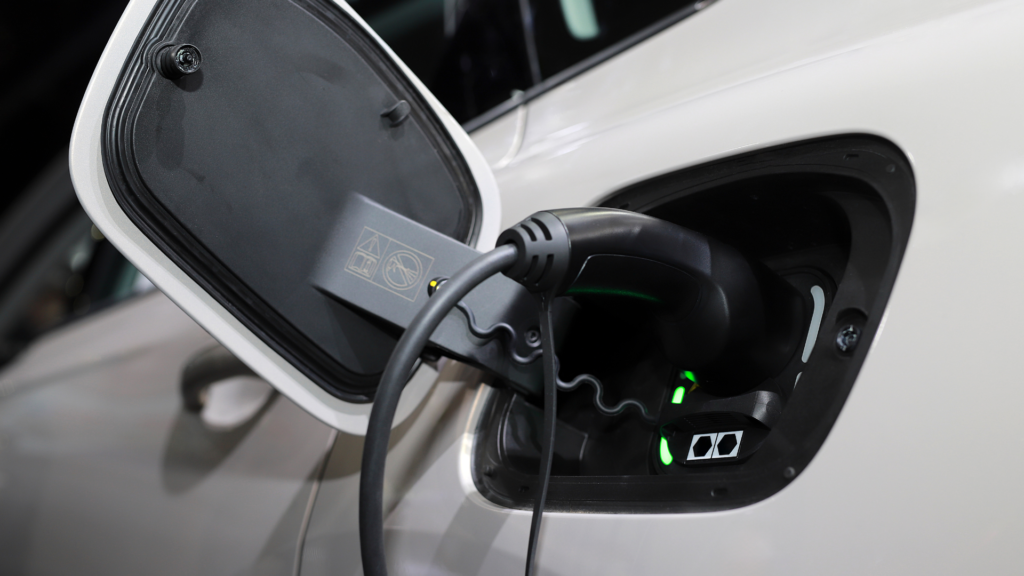
EV vs Hybrid vs Gas Cars Depreciation in 2026
In 2026, EV vs Hybrid vs Gas Cars depreciation has become a critical factor for anyone planning to buy or replace a vehicle. Rising car prices, rapid technology changes, and shifting buyer preferences are reshaping how quickly different vehicles lose value. Depreciation is no longer predictable across all vehicle types, and the gap between EVs, hybrids, and gas cars is wider than it was just a few years ago. Understanding these differences is essential to avoiding major financial losses after only a short ownership period.
What Depreciation Means for Car Buyers in 2026
For car buyers in 2026, depreciation directly affects resale value, trade-in offers, and long-term ownership costs. A vehicle that depreciates faster can wipe out years of fuel savings and turn what seemed like a smart purchase into a financial mistake. Buyers now need to think beyond upfront cost and focus on value retention.
How Market Trends Are Impacting Resale Values
Market trends such as EV price cuts, increased hybrid demand, and tighter emissions regulations are reshaping resale values. Vehicles that align with reliability, fuel efficiency, and proven technology are holding value better, while cars affected by rapid innovation or uncertainty are losing value faster in the used market.
EV vs Hybrid vs Gas Cars Depreciation Compared Over 5 Years
Looking at depreciation over a five-year ownership period reveals the real financial difference between EVs, hybrids, and gas-powered vehicles. While all cars lose value, the rate at which they depreciate varies significantly depending on technology, demand, and buyer confidence. Over five years, these differences can translate into thousands of dollars gained or lost, making depreciation one of the most important factors in choosing the right vehicle.
EV vs Hybrid vs Gas Cars depreciation over 5 years
Over a five-year period, electric vehicles depreciate the fastest, losing close to 58–60% of their original value on average. Gas-powered cars fall near the industry average, losing around 45%. Hybrid vehicles perform the best, with depreciation closer to 40%. This gap means that two vehicles purchased at the same price can have vastly different resale values after five years, purely based on drivetrain choice.
Real-World Depreciation Examples in Dollars
A $45,000 electric vehicle can lose more than $26,000 in value over five years, while a similarly priced gas car may lose around $20,000. A hybrid bought at the same price typically loses closer to $18,000. In practical terms, choosing a hybrid over an EV can preserve more than $8,000 in value over the same ownership period.
EV vs Hybrid vs Gas Cars Depreciation: Which Loses Value the Fastest
Electric vehicles lose value the fastest due to rapid technology upgrades, frequent price cuts, and concerns around long-term battery health. Gas cars depreciate at a steadier rate, while hybrids benefit from strong demand, proven reliability, and lower perceived risk, allowing them to retain value better than both EVs and traditional gas vehicles.
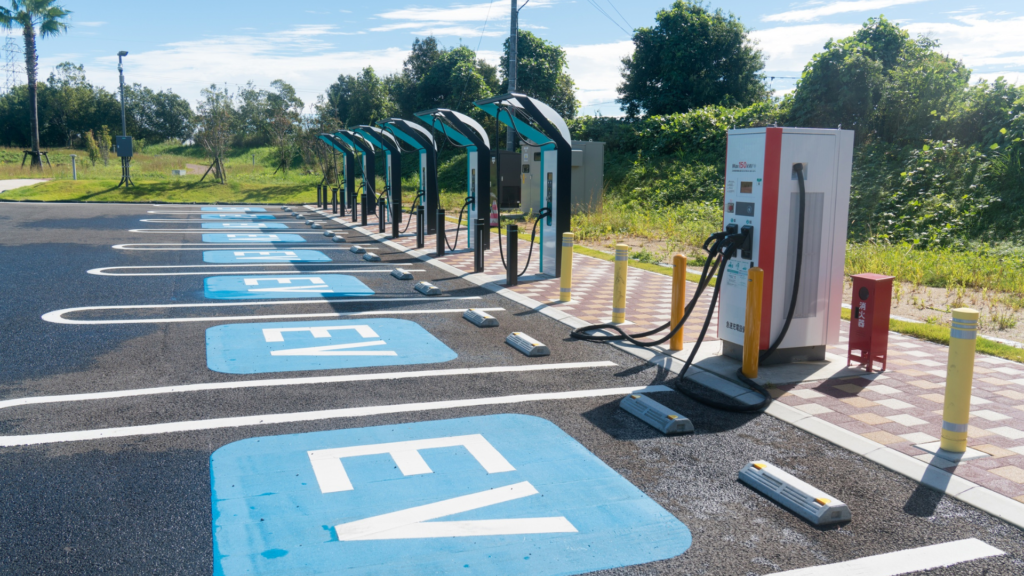
Why Hybrid Cars Hold Their Value Best
Hybrid cars consistently outperform both EVs and gas-powered vehicles when it comes to resale value, especially when comparing EV vs Hybrid vs Gas Cars depreciation over a typical ownership period. They strike a balance between fuel efficiency, reliability, and practicality, which makes them appealing to a wide range of buyers. In a market shaped by rising fuel costs and uncertainty around new technology, hybrids offer a proven and low-risk option that helps preserve long-term value.
Fuel Efficiency Without Range Anxiety
Hybrids deliver strong fuel efficiency without relying entirely on charging infrastructure. Drivers benefit from electric assistance in city driving while still having the flexibility of a traditional gas engine for longer trips. This convenience eliminates range anxiety, making hybrids more attractive to used-car buyers and helping them retain value better over time.
Battery Reliability and Lower Replacement Risk
Hybrid batteries are smaller, less expensive to replace, and have a long track record of reliability. Unlike full EVs, hybrids do not depend on large battery packs, reducing buyer concerns about costly replacements. This lower perceived risk makes used hybrids easier to sell and supports stronger resale prices.
Rising Demand and Strong Resale Value
Demand for hybrid vehicles continues to grow as buyers seek fuel savings without major compromises. In many markets, hybrids sell quickly and often close to their original price, especially popular models from reliable brands. Strong demand keeps resale values high and limits depreciation compared to EVs and gas cars.
EV vs Hybrid vs Gas Cars Depreciation: Why Electric Cars Lose Value Faster
Electric vehicles are depreciating faster than other vehicle types due to a combination of rapid innovation and market uncertainty, especially when viewed through the lens of EV vs Hybrid vs Gas Cars depreciation. While EV technology continues to improve, these advances also make older models feel outdated much sooner. As a result, resale values drop quickly, particularly for buyers who plan to sell or trade in their vehicles within a few years.
Rapid Technology Changes and Outdated Models
EV technology evolves faster than traditional vehicles, with frequent improvements in range, charging speed, and software. Newer models often outperform older ones by a wide margin, which reduces demand for used EVs. This rapid cycle makes even relatively new electric cars feel obsolete, accelerating depreciation.
Battery Replacement Costs and Buyer Fear
Battery health is a major concern in the used EV market. Large battery packs are expensive to replace, and many buyers worry about long-term degradation once warranties expire. Even if failure rates are low, the perception of high replacement costs discourages buyers and pushes resale prices lower.
Why EV Depreciation Is Getting Worse
Aggressive price cuts on new EVs, increased competition, and uncertain long-term resale demand are intensifying depreciation. As manufacturers lower prices to boost sales, used EV values drop alongside them, making depreciation steeper than in previous years.
Gas Cars Depreciation — The Middle Ground Losing Appeal
Gas-powered cars sit between hybrids and EVs when it comes to depreciation, and this middle position becomes clearer when comparing EV vs Hybrid vs Gas Cars depreciation across today’s market. While some models still hold value reasonably well, many gas cars are losing appeal due to rising fuel costs, changing buyer preferences, and increasing competition from more efficient alternatives. As a result, depreciation patterns for gas vehicles are becoming less predictable.
Why Some Gas Cars Depreciate Faster Than Expected
Certain gas cars depreciate faster because they offer little advantage in fuel efficiency or long-term operating costs. As buyers shift toward vehicles that reduce fuel expenses, gas-only models become less desirable, especially when gas prices rise or when more efficient options are widely available.
Luxury Gas Cars and Resale Value Decline
Luxury gas cars tend to lose value quickly due to high maintenance costs and rapid changes in technology. Buyers in the used market are often hesitant to pay premium prices for older luxury models with expensive repair risks, which pushes resale values down significantly over time.
Gas Models That Still Hold Value Well
Reliable gas models from brands known for durability continue to perform better in resale markets. Vehicles with strong reputations for low maintenance costs and long-term reliability attract consistent demand, allowing them to depreciate more slowly than the average gas-powered car.
The Best Used Car Strategy Based on Depreciation
Depreciation creates opportunities in the used car market, but only if buyers know where to look. This is especially true when evaluating EV vs Hybrid vs Gas Cars depreciation, where value loss happens at very different rates. Vehicles that lose value quickly as new purchases can offer strong value when bought used, while models that hold value well require a more strategic approach. Understanding depreciation trends helps buyers avoid overpaying and reduce long-term financial risk.
When Buying a Used EV Makes Sense
Used EVs can make sense after the steepest depreciation has already occurred. Buyers should focus on vehicles that are three to four years old, where prices have stabilized. Remaining battery warranty coverage is critical, as it reduces exposure to high replacement costs.
Why Used Hybrids Offer the Lowest Depreciation Risk
Used hybrids offer a strong balance of reliability, efficiency, and value retention. Buying a hybrid that is two to three years old avoids early depreciation while maintaining warranty coverage. High demand and proven technology help keep resale values stable, minimizing long-term financial risk.
What to Check Before Buying a Used Car
Before purchasing any used vehicle, buyers should review service records, confirm warranty coverage, and assess overall condition. For EVs, battery health is essential, while hybrids and gas cars require inspection for maintenance history. These checks help prevent unexpected costs that can erase savings.
Which Cars Should You Buy in 2026 to Minimize Depreciation?
Choosing the right car in 2026 is less about brand loyalty and more about protecting your money, especially when comparing EV vs Hybrid vs Gas Cars depreciation across different ownership timelines. Depreciation varies widely across vehicle types, and the wrong choice can erase years of savings. Buyers who focus on value retention rather than hype can significantly reduce long-term ownership costs.
Best New Cars for Value Retention
Hybrid models from established manufacturers consistently offer the strongest value retention. Vehicles known for reliability, fuel efficiency, and reasonable maintenance costs attract steady demand in the used market. These qualities help limit depreciation and make hybrids a safer choice for buyers concerned about resale value.
Cars to Avoid Due to High Depreciation
New electric vehicles and certain luxury gas cars carry the highest depreciation risk. Rapid technology changes, frequent price adjustments, and high ownership costs reduce their resale appeal. Buyers planning to sell within a few years should be cautious, as these vehicles can lose value quickly.
New vs Used Buying Strategy
Buying used often reduces depreciation risk by avoiding the steep value drop in the first years of ownership. However, newer hybrids can still make sense due to strong resale demand. The best strategy depends on budget, ownership timeline, and tolerance for long-term depreciation risk.
Final Verdict on EV vs Hybrid vs Gas Cars Depreciation
When depreciation is the deciding factor, the financial outcomes of EVs, hybrids, and gas cars are clearly different. Each option serves a purpose, but their ability to protect long-term value varies significantly. Understanding these differences helps buyers make decisions based on financial reality rather than marketing claims.
Why Hybrids Are the Safest Financial Choice
Hybrids combine efficiency, reliability, and proven technology, which keeps demand high and depreciation low. This balance makes them the most consistent option for buyers who want predictable ownership costs and strong resale value.
When EVs Can Still Be Justified
EVs can make sense for buyers planning long-term ownership or securing deep discounts. In these cases, depreciation becomes less relevant, and operating cost savings can offset the initial value loss.
The Future of Gas Cars and Resale Value
Gas cars will continue to hold moderate value, but increasing competition from hybrids and EVs will limit resale growth. Reliable models will remain viable, while less efficient options are likely to depreciate faster.
Conclusion
EV vs Hybrid vs Gas Cars depreciation is no longer a minor consideration in 2026—it is the difference between protecting your money and losing it quietly over time. Buyers who ignore depreciation risk turning fuel savings or new technology into a costly financial mistake. The data shows that hybrids offer the most balanced and predictable ownership costs, while EVs carry higher risk unless held long term or purchased at a deep discount. Gas cars sit in the middle, with value retention depending heavily on brand and efficiency. If you want to avoid major losses, focus on resale value, understand market trends, and choose a vehicle that aligns with your ownership timeline before committing.
You can read all blogs by clicking here.