
You drove home with your new car 3 days ago. You showed it to your family. You posted pictures on Instagram. You told your coworkers about the great deal you got.
Then your phone rings. It’s the dealership. “We need you to come back in. There’s a problem with your financing.”
Your stomach drops. You ask what’s wrong. They say your loan fell through and you need to return the car or sign a new contract with a higher interest rate and a bigger down payment.
This isn’t bad luck. This is a scam. It’s called yo-yo financing, and it’s designed to trap you into paying thousands more than you agreed to. I’m going to show you exactly how it works, who it targets, and how to protect yourself before you sign anything.
THE CALL THAT RUINS EVERYTHING
Here’s what’s really happening in 2026. Over 25% of car buyers have dealt with this scam in the last year. That’s 1 in 4 people walking into dealerships. If you make under $25,000 a year, your odds are even worse. 25% of low-income buyers have been hit with this exact scam.
When dealers pull you back, you don’t just lose time and embarrassment. You lose real money. The average victim ends up paying an interest rate that’s 5 percentage points higher than what they originally agreed to. On a $30,000 loan over 5 years, that’s an extra $4,200 you’re paying in interest. $4,200 because the dealer lied to you on day one.
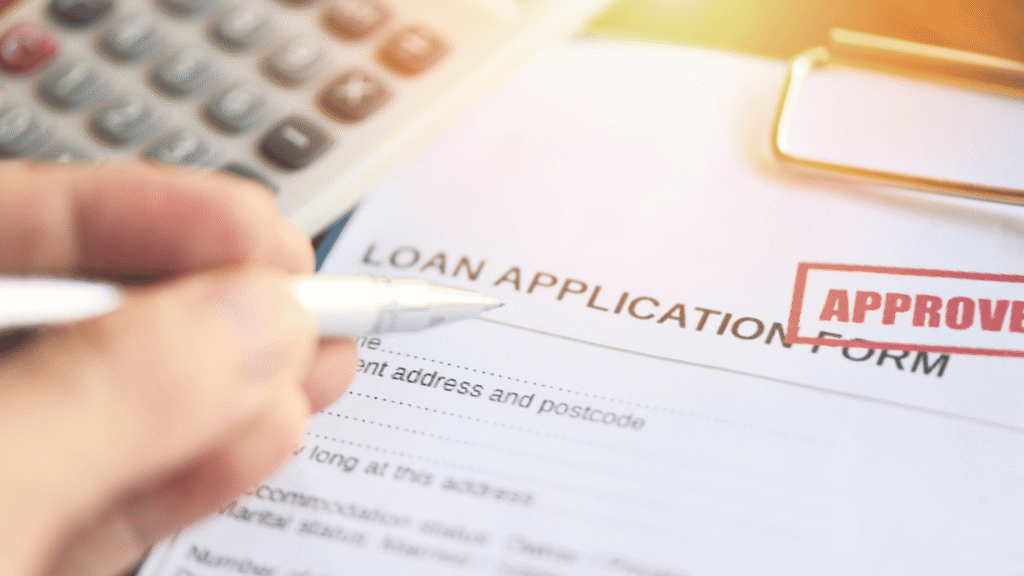
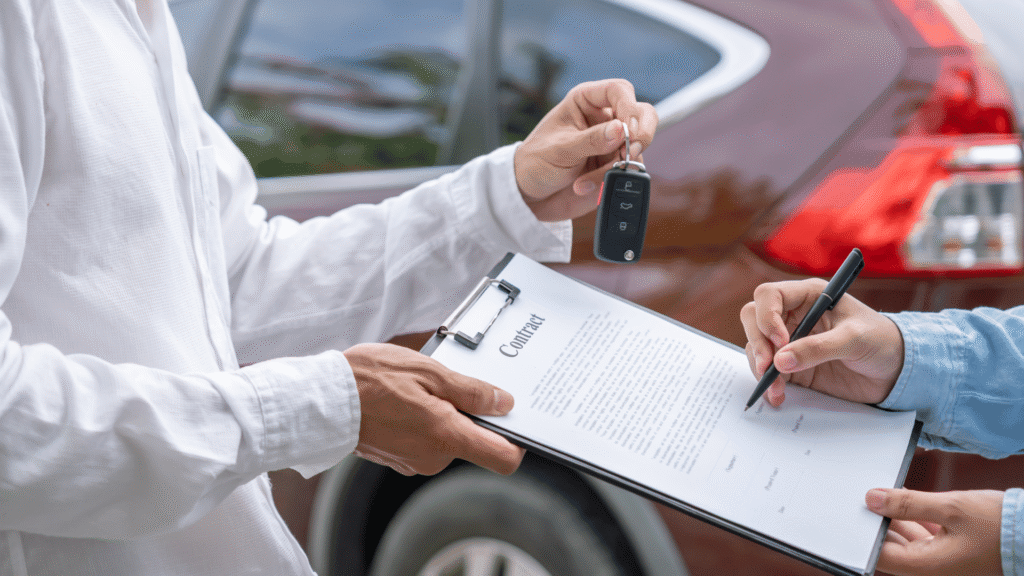
The scam starts with something called spot delivery. You walk into a dealership on a Saturday night or Sunday afternoon when banks are closed. You pick out a car, negotiate a price, and the salesperson runs your credit. They come back smiling and say congratulations, you’re approved at 6.9% for 60 months with $2,000 down. You sign the paperwork, they hand you the keys, and you drive off the lot thinking the deal is done.
But here’s what they don’t tell you. That financing isn’t final. The bank hasn’t actually approved anything because the bank is closed. What you signed is called a conditional sales contract, and buried in the fine print is language that says the dealer can call you back if financing falls through. Most people never read that part. They just see approved and think they own the car.
The dealer knows this. They’re counting on it. They let you take the car home knowing full well they haven’t locked down permanent financing. Some dealers don’t even try to get you the rate they promised. They intentionally lowball the rate just to get you excited and out the door. Then they wait a few days, sometimes a week, until you’ve fallen in love with the car. You’ve already told everyone about it. You’ve already made it part of your life. That’s when they call.
The finance manager will tell you the bank rejected your application, or they couldn’t get the rate they quoted, or they need a cosigner. It’s always something. Then they hit you with the new terms. Your interest rate just went from 6.9% to 11.9%. Your down payment went from $2,000 to $3,500. Your monthly payment just jumped from $580 to $680. Take it or bring the car back.
Now you’re in a corner. You already got rid of your old car. Oh wait, you didn’t get rid of it, you traded it in. And guess what? The dealer already sold your trade-in. They’ll tell you straight to your face, we sold your car yesterday, we can’t get it back.
So now you’re sitting there with no transportation, no trade-in, and a dealer telling you to either accept the new terms or walk away with nothing. Most people cave. They sign the new contract because they feel like they don’t have a choice. And that’s exactly what the dealer was betting on.
Here’s the math on what this costs you. Let’s say you financed $28,000 at 6.9% for 60 months like the dealer originally promised. Your monthly payment would be $555 and you’d pay $5,300 in interest over the life of the loan. Now the dealer calls you back and bumps your rate to 11.9%. Your new monthly payment is $625 and you’re paying $9,500 in interest. That’s an extra $4,200 the dealer just stole from you by lying about financing.

HOW BIG IS THIS PROBLEM?
The Federal Trade Commission calls this a widespread problem. They didn’t use those words lightly. In 2017, the FTC went after a Los Angeles dealer group called Sage Automotive for running yo-yo scams and forced them to pay $3.6 million back to victims. That was the first time the FTC had ever taken enforcement action on this scam, and it should tell you how serious it is.
But here’s the dirty secret. There’s no federal law that explicitly bans yo-yo financing. Spot delivery itself is legal. Dealers are allowed to let you take a car home before financing is final as long as the contract says it’s conditional. The scam happens when they abuse that process by lying about your approval, threatening you if you don’t sign new terms, or keeping your trade-in and down payment when you try to back out.
Some states have tried to fight this. California says dealers have 10 days to notify you if financing falls through, and if the deal doesn’t go through, they have to refund everything including your down payment and sales tax. They’re also not allowed to make you sign a new contract for the same car.
Maryland requires dealers to give you written disclosures before spot delivery and only has 4 days to tell you if financing is rejected. After that, they have to return everything. Washington State calls it bushing and bans it outright under their Consumer Protection Act. Dealers there have 4 working days to finalize financing, and if they call you after that, it’s illegal.
But in most states, dealers can get away with this because the laws are either vague or nonexistent. And even in states with protections, dealers still try it because most people don’t know the law and won’t fight back.
WHO GETS TARGETED?
So who gets targeted? People with bad credit or no credit. First-time buyers who don’t know how car financing works. Non-English speakers who can’t read the fine print. Elderly buyers. Anyone the dealer thinks they can pressure. And overwhelmingly, it’s low-income buyers.
If you’re making $25,000 a year and you need a car to get to work, you’re desperate. The dealer knows that. They know you’ll take whatever terms they give you because you can’t afford to be without transportation.
HOW TO AVOID THE SCAM
So how do you avoid this? First, never use dealer financing if you can help it. Get pre-approved from your bank or credit union before you even step foot on a lot. When you walk in with your own financing, the dealer can’t play games because the money isn’t coming from them. Your bank already approved you at a specific rate and there’s no yo-yo risk.
If you have to use dealer financing, do not take the car home until financing is 100% final. I don’t care if it’s a Saturday and the banks are closed. I don’t care if the salesperson says it’s fine and they’ll handle it Monday. Wait. Come back when the bank is open and the loan is approved in writing. Yes, this means you might have to make two trips to the dealership. Do it anyway. It’s worth it to avoid a $4,000 scam.
Before you sign anything, read the entire contract. Look for words like conditional, subject to approval, or pending financing. If you see that language, do not take the car. Tell them you’ll wait until it’s unconditional. If they push back and say this is just how it works, walk out. Any dealer who won’t let you wait for final financing is planning to scam you.
Ask for a copy of the lender’s approval letter. The dealer might say it’s confidential, but that’s a lie. You’re the borrower. You have a right to see the approval. If they won’t show you, that’s a red flag the size of Texas. No approval letter means no approved loan.
If the dealer does call you back and says financing fell through, here’s exactly what you do. First, stay calm. Do not go back to the dealership right away. Tell them you need to see written proof that the loan was denied. Ask for the denial letter from the lender. If they can’t produce it, the whole thing is a scam.
Second, call the lender directly. Don’t trust what the dealer tells you. Get the lender’s number from your paperwork or look it up online, then call and ask if your loan was actually submitted and what the status is. You’ll be shocked how often the dealer never even sent your application to the lender they quoted.
Third, document everything. Save every text, email, and voicemail from the dealer. Write down who you talked to, what they said, and when. If they threatened you or lied about your trade-in being sold, write that down. This will be critical if you have to take legal action.
Fourth, refuse to sign a new contract. Do not let them pressure you. If the original contract was valid and you took possession of the car, the dealer has to honor those terms or lawfully repossess the vehicle. They can’t force you to sign new terms just because they want more money.
Fifth, talk to a consumer protection attorney immediately. Most of them work on contingency, which means you don’t pay unless you win. They’ll review your paperwork, tell you if the dealer broke the law, and help you fight back. In many states, if you win, the dealer has to pay your attorney fees on top of damages.
If you refuse to go along with the scam and the dealer threatens repossession, let them try. Repossession is a legal process with rules. They can’t just take the car whenever they want. They have to follow your state’s laws, which usually require notice and a valid reason like non-payment. If you’ve been making payments and the only issue is that they want to change the deal, repossession is illegal. Document the threat and call a lawyer.
THE BOTTOM LINE
Here’s the bottom line. Yo-yo financing exists because it’s profitable and most victims don’t fight back. Dealers know that once you’ve driven the car, shown it to your family, and gotten emotionally attached, you’ll pay almost anything to keep it. They’re banking on your embarrassment, your lack of transportation, and your fear of confrontation. That’s the whole scam.
You’re not powerless here. The dealer is counting on you not knowing your rights. Now you know. Use that knowledge. Don’t let them steal $4,000 from you because you were too polite to say no.
I’ll see you in the next one. And if a dealer ever tries this on you, forward them this video before you call your attorney.