
Why Cars Sit Longer Even After Price Cuts
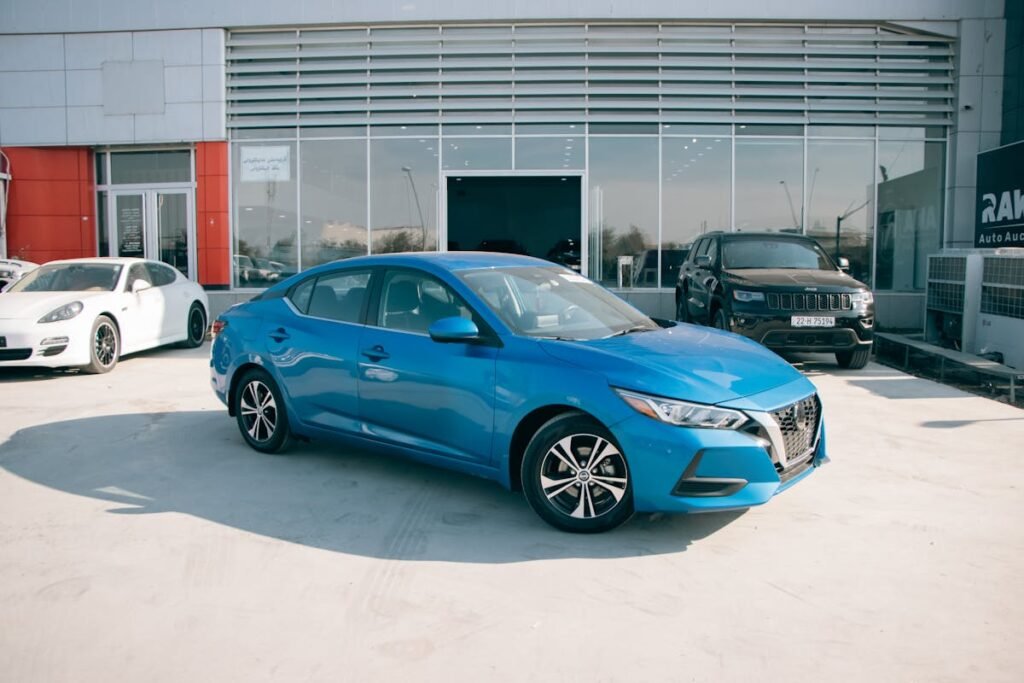
There are 3 million brand new cars sitting on dealer lots right now that nobody wants to buy. 82% of all 2024 Dodge Hornets built are still sitting there collecting dust. Jeep Grand Cherokees; 70% unsold. And here’s the insane part: dealers are cutting prices, offering incentives, practically begging people to buy these things, and they’re STILL not moving.
Something broke in the car market, and if you don’t understand what happened, you’re about to lose thousands of dollars whether you’re buying or selling. Because what’s happening right now isn’t temporary. This is the new normal.
The Scale
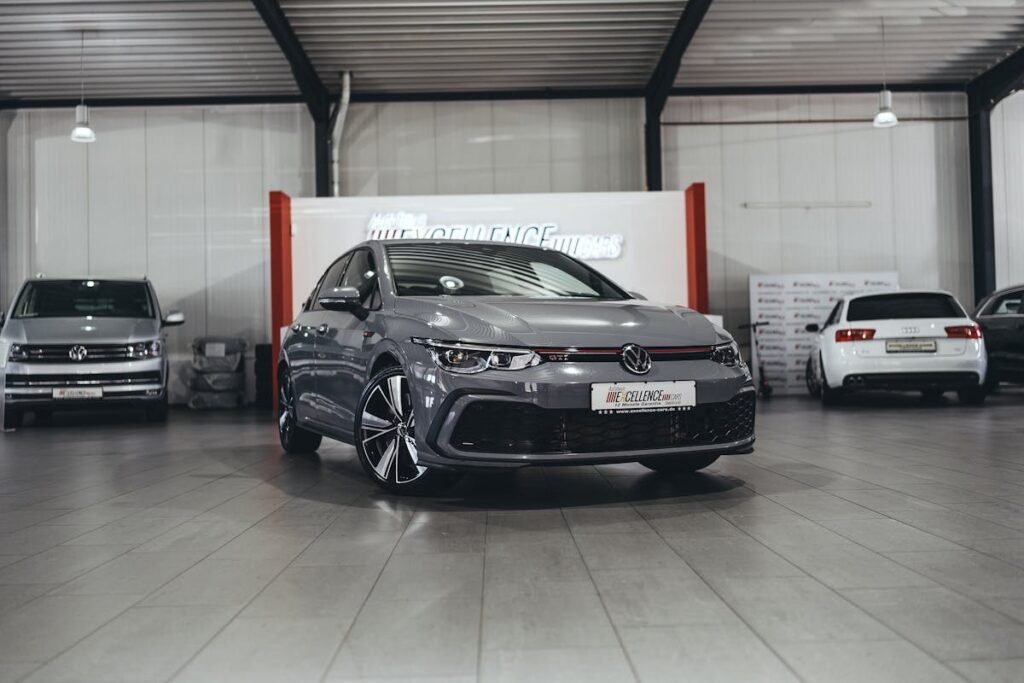
Let me show you exactly how bad this is. Right now, the industry is sitting on 88 to 89 days of inventory. Normal is 60 days. Anything over 80 days means dealers are hemorrhaging money.
But some brands are way worse. Stellantis; that’s Jeep, Ram, Dodge, Chrysler, they’re sitting at 106 to 149 days depending on the model. That means dealers have been paying interest on these trucks and SUVs for 4 to 5 months straight.
The BMW i4? 89% of their inventory is still on lots. The Lexus GX 550; 88% unsold. Ford Maverick; 79% sitting right now. And these aren’t bad cars. The Maverick has a waitlist in some markets. But they’re not selling.
Here’s the dealer math: every car on their lot is financed through what’s called a floor plan loan. They’re paying anywhere from 50 to 100 dollars per day in interest on each vehicle. After 120 days, that’s 6,000 to 12,000 dollars in carrying costs alone. That’s before they pay their staff, keep the lights on, or make any profit.
So when you see a car that’s been sitting for 127 days, like the average GMC Yukon right now, that dealer has already burned 6,300 to 12,700 dollars just keeping it in inventory. They’re desperate to move it. But even desperate dealers can’t give cars away right now. Why?
The Affordability Bomb
The average new car in America costs $49,766 to $50,080 right now. That’s up 29% from 2020. The average monthly payment is $772. Over 21% of new car buyers are paying more than $1,000 a month. Nearly two-thirds are paying $600 or more every single month.
Now let’s do the math that dealers don’t want you to see. Say you’re looking at a Ram 1500 that’s been sitting for 106 days. The dealer cuts the price 9%. Let’s say it was $70,000, now it’s $63,700. That’s a $6,300 discount. Sounds amazing, right?
You put down $5,000. You finance $58,700 at 7% interest for 72 months. Your payment is $992 a month. Over 6 years, you’ll pay $71,424 for this truck. That’s $1,424 MORE than the original $70,000 sticker price; even with the discount. The interest ate your entire discount and then some.
Interest rates are sitting at 6.6% to 7% for new cars if you’ve got good credit. For used cars, it’s 10.5%. If your credit is subprime, you’re looking at 14% or higher.
At 7% APR with $5,000 down: $992 a month, $71,424 total. At 9.2% APR with $5,000 down: $1,042 a month, $75,024 total. That 2.2% difference just cost you an extra $3,600. The dealer’s $6,300 price cut got cut in half by interest rates alone.
And here’s the thing that’s crushing the market, even if dealers cut prices another 10%, most people still can’t afford these cars. A $70,000 truck at 20% off is still $56,000. That’s still a $900+ monthly payment. The median household income in America is $75,000. A $56,000 car is 75% of their annual gross income, before taxes. This is why cars are sitting.
The Market Shift

In 2019, buyers making under $75,000 a year represented 37% of new car purchases. By 2025, that dropped to 26%. Meanwhile, buyers making over $150,000 went from 33% to 43% of the market. The entire middle class got priced out in 6 years.
And here’s the absolutely insane part, in November 2025, vehicles priced over $75,000 outsold vehicles under $30,000. Cars under $30,000 were only 7.5% of sales. Down from 10.3% the year before. The affordable car basically doesn’t exist anymore.
Mitsubishi Mirage; gone. That was the last car you could buy for under $20,000. Nissan Versa; discontinued. Kia Rio; gone. Chevrolet Spark; dead. The Chevy Malibu stopped production in 2025, and 31% of the 2024 Malibus they built are still sitting on lots.
What’s left if you want something affordable? The Nissan Versa when you can find it averages $20,149. The Kia Forte is $22,085. And these are BASE models; no features, nothing extra.
So now we’ve got a market that only works for people making over $150,000 a year. They’re buying $60,000 to $80,000 trucks and SUVs. Everyone else is just locked out. They can’t afford new, used prices are still inflated, and there’s nowhere to go. So they’re not buying anything. This is why dealers can cut prices 15% and still not move inventory. Even discounted, these vehicles are still only affordable to the top 30% of earners. The other 70% aren’t even walking through the door.
The Stellantis Disaster
Now let me tell you about the single biggest self-inflicted wound in automotive history. Stellantis decided they wanted to be a premium brand. Their CEO Carlos Tavares raised prices 50% more than the rest of the industry. The average Stellantis vehicle hit $48,953. They discontinued affordable models. They bet that American buyers would pay premium prices for Jeep and Ram.
They were catastrophically wrong.
Their US market share collapsed from 13% to 10% by the end of 2024. Sales revenue dropped 17%. Profits plunged 70%. And now they’re sitting on mountains of inventory that nobody wants at these prices.
Remember those stats from the beginning? 82% of 2024 Dodge Hornets still unsold. 70% of Jeep Grand Cherokees sitting. The Alfa Romeo Tonale; 46.8% unsold. Nobody’s paying $65,000 for a Jeep when a Toyota Highlander is $50,000 and will last longer with fewer problems.
So Stellantis panicked. They cut Ram prices 9% over one year. The average Ram now costs $60,352; which is STILL insane, but it’s movement. They reduced US inventory by 100,000 vehicles. They fired their CEO. And they’re trying to reset the whole brand strategy.
But cutting prices 9% doesn’t fix a brand you overpriced by 50%. Ram’s days supply dropped from 138 to 106 days. That’s better, but it’s still almost double what’s healthy. And get this: 12 of the 23 slowest-selling models in the entire industry are Stellantis brands. Twelve out of twenty-three.
Dealers are furious. They’re stuck with inventory they paid premium prices for, they can’t sell it at sticker, and every day it sits costs them money. Stellantis created a pricing strategy that looked great in a boardroom spreadsheet but completely ignored reality.
The Waiting Game
Here’s what makes this whole situation even worse; buyers KNOW dealers are desperate. They KNOW inventory is high. They KNOW cars are sitting for 100, 120, 150 days. So they’re waiting.
Buyers today can see exactly how long a car has been on the lot. Apps and websites track this. You can search by days-on-lot and find vehicles that have been sitting forever. That information gives you massive negotiation leverage.
So buyers are thinking: “If I wait another month, they’ll get even more desperate. The price will drop more.” This creates a spiral. The longer cars sit, the more buyers expect bigger discounts. But manufacturers won’t let dealers cut prices too deep because it destroys brand value and kills resale prices for everyone who already bought.
Current incentives average $3,392 to $3,500; that’s about 6.5% to 7.1% of transaction price. Down from 7.9% the year before. Manufacturers are actually offering LESS incentive money than last year despite worse inventory. Buyers expect 30% to 40% off because inventory is so high. Dealers are offering 10% to 15% on slow-movers. That gap means deals don’t happen. Cars continue sitting. And everyone loses.
Plus there’s a timing issue. We’re in January 2026. 2026 models are here. But lots still have 2024 and 2025 inventory. Buyers mentally devalue year-old or two-year-old “new” cars. They want another 20% off just for the model year. But dealers can’t afford to eat that cost.
The Real Cost

If you bought a new car in 2023 or early 2024 at peak prices, you’re underwater. Say you bought a Ram 1500 in early 2024 for $70,000. Today, dealers are selling similar new ones for $63,700, and they’re still sitting. What’s your truck worth on trade-in? Maybe $50,000 if you’re lucky. You’re down $20,000 in less than 2 years. And you probably still owe $55,000 or more on it.
This is happening across the board. Anyone who bought high is now trapped. They can’t trade out because they’re too far underwater. They can’t sell private party because nobody wants to buy used at these prices when new is barely more expensive.
And here’s the really twisted part; used car prices are still elevated. Average used car costs $25,730. A 3-year-old vehicle averages $29,710 to $31,156. When a 3-year-old used truck costs $48,000 and a brand new one with incentives costs $55,000, who buys used?
This creates complete market paralysis. New car buyers wait for better deals. Used car buyers can’t find value. Current owners can’t trade because they’re underwater. Nobody’s moving. Inventory builds. The cycle continues.
And if you’re thinking about buying right now, understand this: whatever you buy today is going to depreciate faster than normal because the market is oversupplied. When there are 3 million vehicles sitting on lots, your car isn’t special.
Plus at 7% interest, you’re paying significantly more than the purchase price over the life of the loan. A $50,000 car at 7% for 96 months means you’re paying $632 a month, which sounds manageable. But over 8 years, you’ll pay $60,672 total. That’s $10,672 in interest alone. And after 4 years, when you might want to trade, you’ll still owe more than the car is worth.
What Happens Next
So where does this go? Best case: inventory slowly normalizes over the next 12 to 18 months. Dealers eat losses on aging stock. Prices stabilize around $45,000 to $47,000 average. Interest rates drop slightly to 6% to 6.5%. The market finds a new, painful equilibrium where only upper-middle-class and wealthy buyers can afford new cars.
Worst case: recession hits. Unemployment rises. Dealers are forced to liquidate inventory at massive losses. Prices crash 20% to 30%. Everyone who bought in 2023 to 2025 gets absolutely destroyed on equity. Some dealers go out of business. Smaller manufacturers like Stellantis may have to exit the North American market entirely.
The smarter play for manufacturers right now is to cut production. Make fewer cars, let inventory clear naturally, maintain pricing power. But factories need to run to cover fixed costs. Every plant that sits idle loses money. So they keep building cars nobody wants and shipping them to dealers who can’t sell them.
Some brands are better positioned than others. Toyota and Honda have lower inventory, stronger brand loyalty, and better resale values. They’ll weather this. Luxury brands with wealthy buyers; Mercedes, BMW, Porsche, they’ll be fine because their customers aren’t price-sensitive.
But Stellantis, Nissan, Mitsubishi, VW, these brands are in serious trouble. If they can’t figure out pricing and product strategy fast, they’re looking at potential exit from North America or massive restructuring. And for the average buyer? The affordable car is probably gone forever. Manufacturers make way more profit on expensive trucks and SUVs. They have zero incentive to build cheap cars.
Conclusion
So here’s where we are: 3 million cars sitting on lots that dealers can’t sell even with price cuts.
This isn’t a temporary dip. This is a market that fundamentally transformed. Cars became luxury goods. Dealers became holding facilities for inventory nobody wants at these prices. And unless something dramatic changes; massive interest rate cuts, new government subsidies, or a total pricing reset, this is the new normal.
If you found this valuable, drop a comment with what you’re seeing at your local dealer.
