
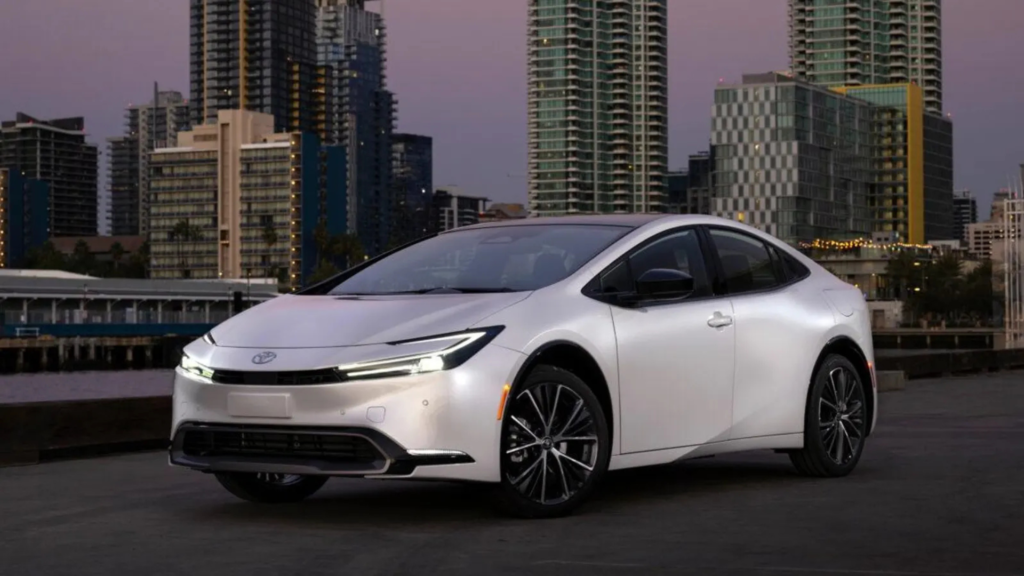
Introduction: Best Hybrid Cars 2026
Most hybrid buyers are making the WORST choice. They’re sacrificing fuel economy AND comfort for nothing. But what if I told you that the Best Hybrid Cars 2026 actually deliver on both promises?
This comprehensive guide ranks the best hybrid cars 2026 based on Consumer Reports data, real-world performance metrics, and what actually matters to buyers. Whether you’re looking for affordability, fuel economy, or the ultimate driving experience, we’ve got your answer.
Why Most Hybrid Buyers Regret Their Decision
The hybrid market is crowded with false promises. Brands claim exceptional fuel economy but deliver cramped interiors. Others promise comfort but charge premium prices for mediocre MPG. The truth? Most people buy hybrids without understanding the trade-offs. But the Best Hybrid Cars 2026 finally balance efficiency, comfort, and value.
This guide cuts through the noise. We’ve analyzed eight hybrid sedans ranked by Consumer Reports, examining fuel economy, safety, reliability, comfort, and real-world performance.
What This Guide Covers
Over the next 3,000 words, we’ll walk through:
- Eight hybrids ranked from worst to best
- Detailed pros, cons, and buyer personas for each
- Fuel economy comparisons and safety ratings
- Reliability predictions and warranty coverage
- Which hybrid is best for YOUR lifestyle
- Common questions answered
Quick Comparison: Which Hybrid is Right for You?
Best for Budget Buyers
Toyota Corolla Hybrid ($23,125) or Hyundai Elantra Hybrid ($25,450)
If you’re price-conscious, the Corolla offers the cheapest entry into hybrid ownership. But for just $2,300 more, the Elantra delivers better handling, smoother transmission, and a superior warranty—making it one of the Best Hybrid Cars 2026 buyers should seriously consider.
Best for Fuel Economy
Toyota Camry Hybrid leads with 48 mpg overall and an incredible 54 mpg on the highway. The Prius matches this with 51 mpg AWD, but sacrifices comfort for efficiency.
Best for Comfort & Features
Honda Accord Hybrid ranks #1 in controls and infotainment. Everything is intuitive. Wireless CarPlay and charging are standard. The cabin feels premium, and handling is exceptional.
Best Overall Winner
Toyota Camry Hybrid wins across every category—fuel economy, safety, reliability, handling, and affordability. It’s the only hybrid that doesn’t ask you to compromise.
Understanding Hybrid Car Fuel Economy: MPG Explained
When evaluating the best hybrid cars 2026, understanding fuel economy is critical. But MPG isn’t just one number—it’s a story.
City vs. Highway MPG
Hybrid systems excel in city driving where regenerative braking captures energy during stops. Highway driving relies more on the gasoline engine, which is why highway MPG often trails city MPG by 5-10 percentage points.
Example: Toyota Camry Hybrid delivers 48 mpg city but 54 mpg highway—rare. Most hybrids flip this pattern.
How Hybrid Systems Affect Real-World Fuel Economy
Two-motor hybrid systems (Honda, Accord) seamlessly blend electric and gas power, delivering consistent MPG. Single-motor systems (CVT-based) feel jerky and sacrifice efficiency during acceleration.
The Camry’s two-motor system SIMULATES upshifts, making acceleration smooth while maintaining efficiency. The Civic does this too—which is why both feel less “robotic” than traditional hybrids.
Best Hybrid Cars 2026: Affordable Hybrid Sedans Under $30K
For budget-conscious buyers, affordable hybrid sedans offer an entry point into fuel-efficient ownership. But cheapest doesn’t mean best.
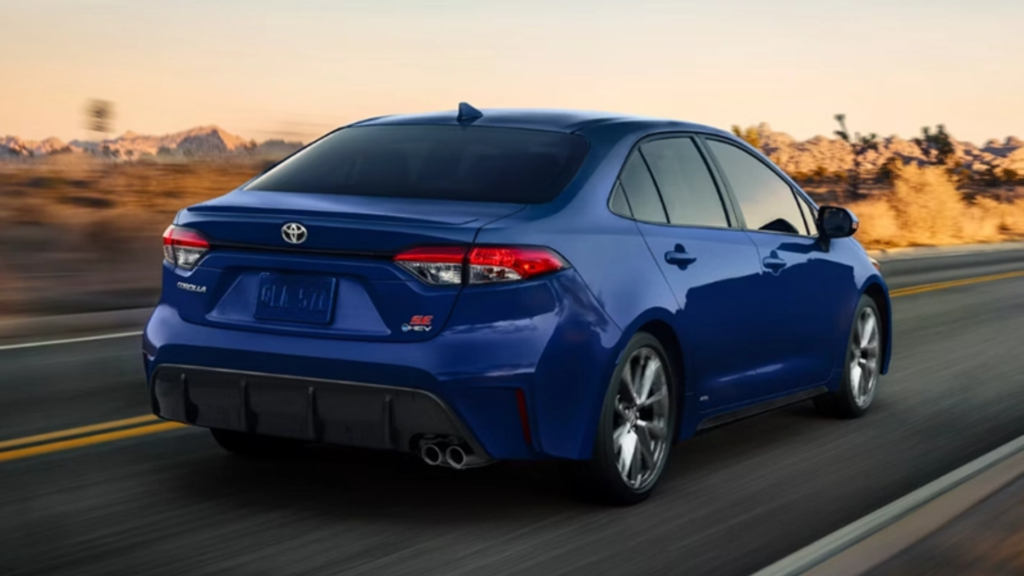
#8 – 2026 Toyota Corolla Hybrid: The Entry-Level Trap
Overall Score: 71/100 | Rank: #14/20 Small Sedans
Specs & Pricing
- Base Price: $23,125
- Fuel Economy: 48 mpg
- Safety Rating: Perfect 5/5
- Transmission: CVT
- Features: Standard Toyota Safety Sense 3.0
Pros
✅ Lowest entry price in our ranking
✅ Toyota reliability (5/5 brand rank)
✅ Standard safety features
✅ Simple, proven hybrid system
Cons
❌ CVT transmission whines like a dental drill during merges
❌ Engine noise is absolutely raspy—reviewers called it “disruptive”
❌ Braking feels touchy with longer stopping distances
❌ Rear seat cramped for adults
❌ Interior screams “budget”—hard plastics, misaligned panels
❌ Doesn’t feel like a $23K car; feels cheaper
Who Should Buy It?
College students and price-hunters who don’t drive highways. You’re prioritizing cost over comfort. Skip the LE trim—jump to XLE for power seats and lumbar support.
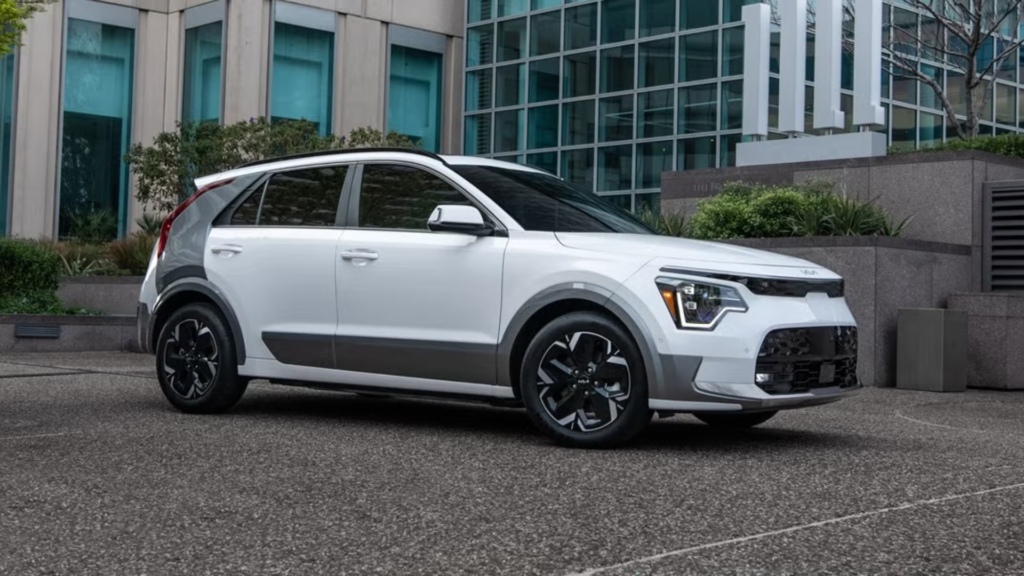
#7 – 2026 Kia Niro: The Practical Outsider – Best Hybrid Cars 2026
Overall Score: 72/100 | Rank: #11/21 Small Sedans
Specs & Pricing
- Base Price: $26,500
- Fuel Economy: 45 mpg
- Transmission: 6-speed dual-clutch
- Cargo: Fits 4 large suitcases (vs. sedans’ 2)
- Warranty: 10 years/100K miles (drivetrain)
Pros
✅ Best warranty in class (10/100K)
✅ Excellent cargo space for a sedan
✅ Smooth dual-clutch transmission (better than CVT)
✅ Practical for road trips
Cons
❌ Reliability score: 56/100 (below average)
❌ Blind spot pillars create massive visibility issues
❌ Steering feels disconnected
❌ Pronounced road noise
❌ Regen braking feels jerky, not smooth
Who Should Buy It?
Buyers who need cargo SPACE more than driving thrills. You’re hauling luggage, sports gear, or camping equipment regularly. Practicality Kia beats passion here.
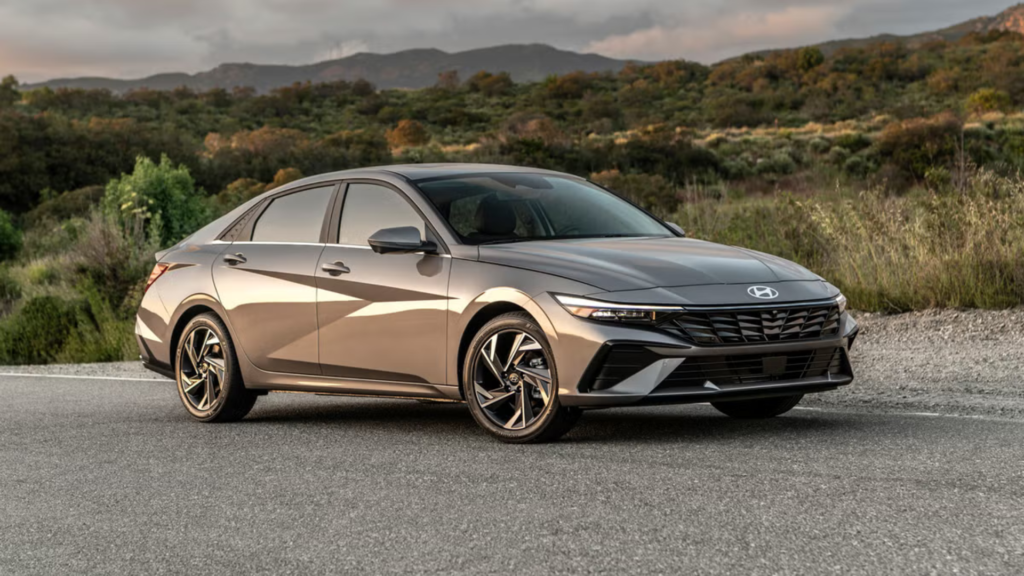
#6 – 2026 Hyundai Elantra Hybrid: The Bargain King – Best Hybrid Cars 2026
Overall Score: 78/100 | Rank: #1/21 Small Sedans (TIED WITH CIVIC)
Specs & Pricing
- Base Price: $25,450
- Fuel Economy: 48 mpg (highest in class)
- Transmission: 6-speed dual-clutch
- Safety: IIHS Top Safety Pick
- Warranty: 10-year/100K-mile drivetrain
Pros
✅ Same score as Civic Hybrid at $4K cheaper
✅ Highest MPG in small sedan class
✅ Better handling than standard Elantra
✅ Independent rear suspension = comfortable ride
✅ 10-year warranty matches Kia
Cons
❌ Highway-speed AEB is OPTIONAL (not standard)
❌ Reliability: 59/100 (below average)
❌ Light, vague steering
❌ Adaptive cruise control costs extra
Who Should Buy It?
Smart shoppers wanting 90% of Civic Hybrid’s goodness at $4K cheaper. You’re value-conscious but won’t sacrifice core features. This is the best budget Hybrid if you skip optional features.
Mid-Range Hybrids ($25K-$35K): Best Features & Performance
The sweet spot for hybrid buyers. These cars balance affordability with genuine comfort and performance.
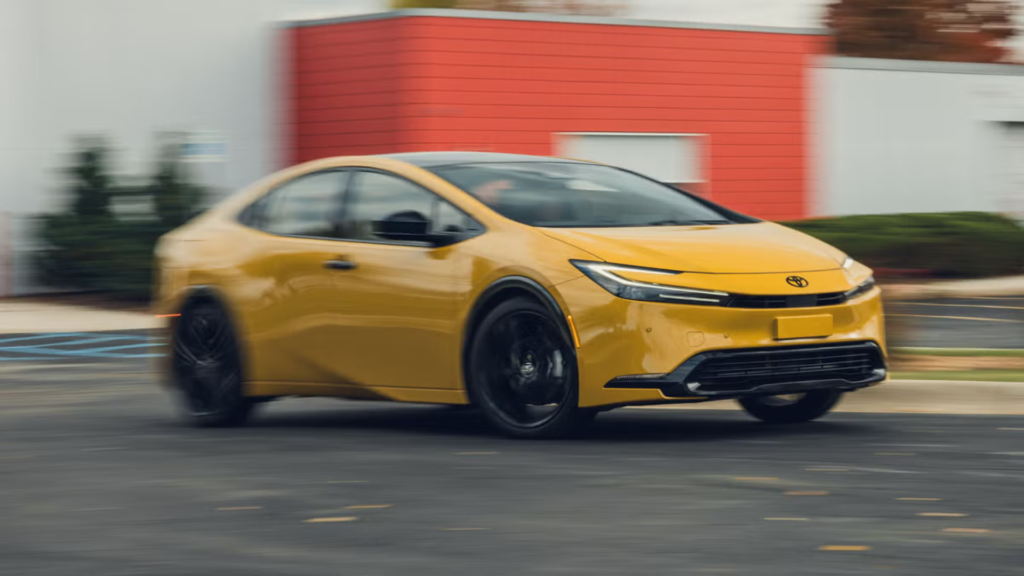
#5 – 2026 Toyota Prius: The Iconic Misfire
Overall Score: 76/100 | Rank: #5/21 Small Sedans
Specs & Pricing
- Base Price: $29,525
- Fuel Economy: 51 mpg (with all-wheel drive)
- Safety Rating: Perfect 5/5 + IIHS Top Safety Pick
- Transmission: CVT
- Seating: Racing-style bucket seats
Pros
✅ 51 mpg WITH all-wheel drive (rare)
✅ IIHS Top Safety Pick
✅ Perfect 5/5 safety rating
✅ Proven, bulletproof reliability
Cons
❌ “Fall down” into racing seats (getting in/out is awkward)
❌ Getting out hurts your back
❌ Tiny rear window = NIGHTMARE visibility
❌ Engine screams like a chainsaw during acceleration
❌ NO rear wiper (rain accumulates on glass)
❌ Rear seat is claustrophobic and cramped
❌ Cargo dropped from previous generation
Who Should Buy It?
Efficiency of Toyota obsessives who prioritize MPG over everything else—including comfort and practicality. You’re willing to sacrifice every comfort feature for maximum fuel economy. If you drive solo or two-person max, this works.
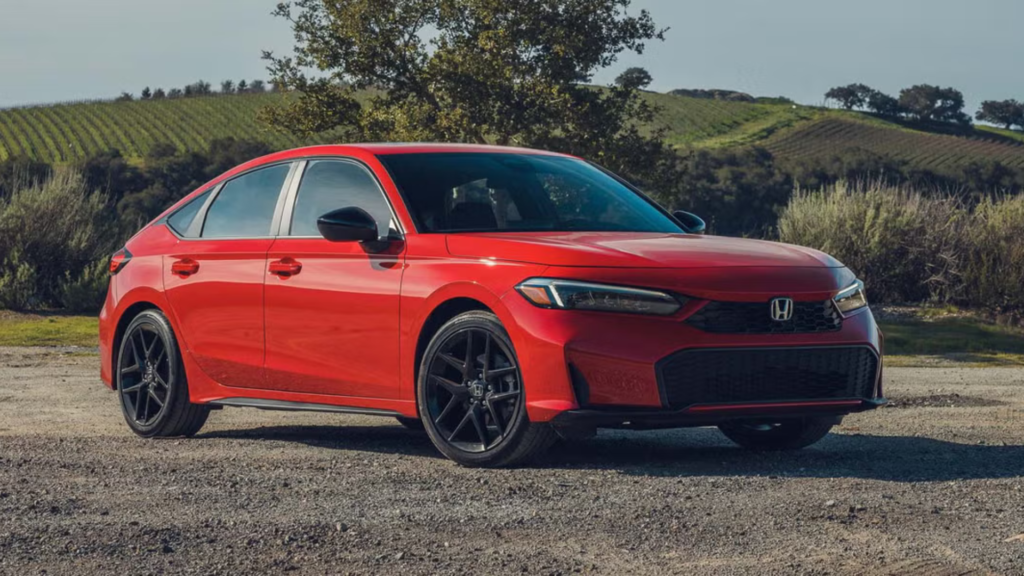
#4 – 2026 Honda Civic Hybrid: The Smooth Operator
Overall Score: 78/100 | Rank: #2/21 Small Sedans (TIED)
Specs & Pricing
- Base Price: $29,395
- Fuel Economy: 44 mpg
- 0-60: 7.5 seconds (kills Corolla’s 10.3)
- Braking: 131 feet dry (excellent)
- Safety Rating: Perfect 5/5
Pros
✅ Two-motor hybrid SIMULATES upshifts—no rubber-band CVT sensation
✅ Feels like a real automatic transmission
✅ Smooth, refined, PLEASANT to drive
✅ Perfect 5/5 safety rating
✅ All critical safety features STANDARD
✅ Physical controls (no touchscreen nonsense)
✅ Short braking distance (131 feet)
✅ Nimble handling
Cons
❌ Base Sport has poor front seats (reviewers: “Has Honda forgotten how to build a seat?”)
❌ Must upgrade to Sport Touring for leather
❌ Comfort score: 63/100
❌ Wet braking lag (145 ft vs. competitors’ 131 ft)
Who Should Buy It?
Driving enthusiasts who want Hybrid car fuel economy WITHOUT sacrificing the pleasure of steering. You enjoy spirited driving but want to save on gas. This hybrid actually FEELS good to drive.
Premium Hybrids ($35K+): Comfort, Safety & Reliability
These are the hybrids that don’t ask you to compromise. They deliver everything.
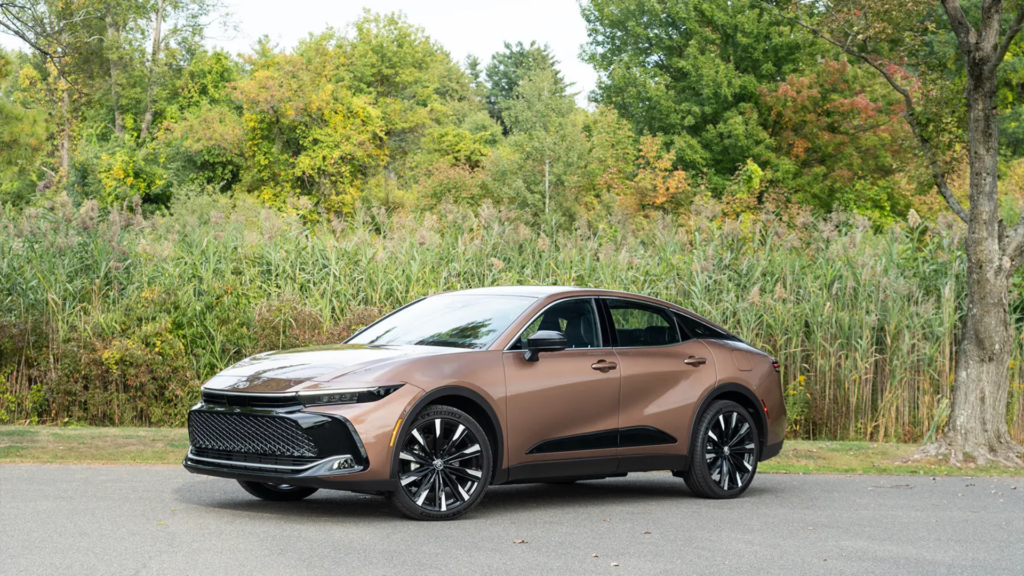
#3 – 2026 Toyota Crown: The SUV Imposter
Overall Score: 83/100 | Rank: #1/1 Large Cars
Specs & Pricing
- Base Price: $41,000+
- Fuel Economy: 42 mpg (AWD standard)
- Elevated Entry/Exit: Easy access
- Trunk Size: Large
- Comfort Score: 79/100
Pros
✅ Easy entry/exit (elevated suspension)
✅ Large trunk for luggage
✅ Owners LOVE the seats
✅ Comfortable on long drives
Cons
❌ WRONG ranking—it’s a sedan, not an SUV
❌ Engine screams during acceleration
❌ Interior feels cheap for $41K price tag
❌ Value score: 43/100 (buyers feel ripped off)
❌ Trunk release button is HIDDEN—can’t find at night
Who Should Buy It?
Buyers wanting SUV convenience in sedan form. Otherwise? Skip it. This ranking means nothing because it’s the ONLY large sedan Consumer Reports tested. The competition simply doesn’t exist in their test pool.
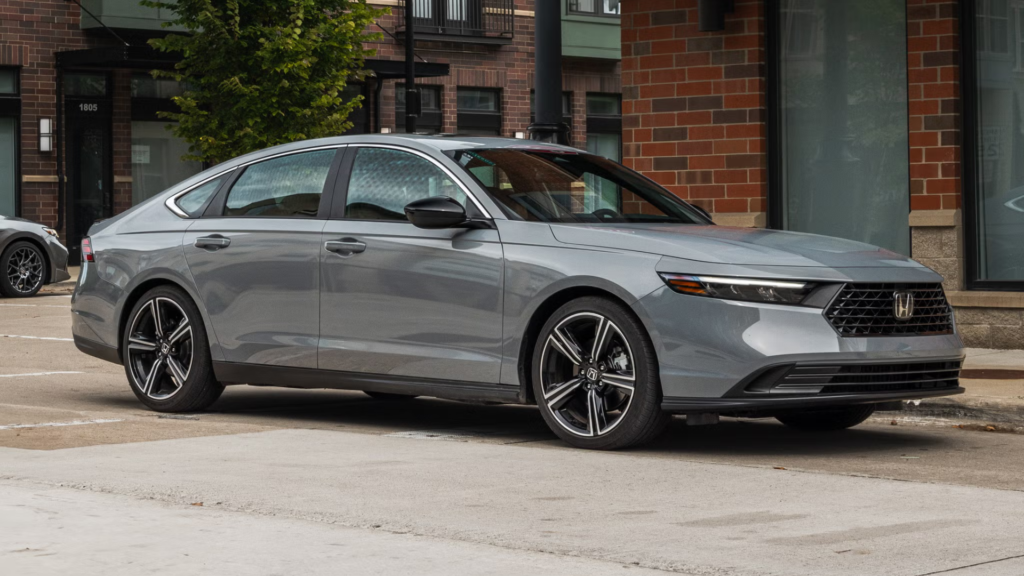
#2 – 2026 Honda Accord Hybrid: One of the Best Hybrid Cars 2026
Overall Score: 87/100 | Rank: #3/10 Midsized Cars
Specs & Pricing
- Base Price: $37,500
- Fuel Economy: 40 mpg
- 0-60: 7.8 seconds
- Braking: 128 feet dry (class leader)
- Road Test Score: 93/100 (EXCEPTIONAL)
Why It Wins Everywhere
Consumer Reports literally called it: “One of the best cars on the market.”
The two-motor Hybrid is SEAMLESS. You don’t feel the transition between electric and gas power. It’s transparent. Natural. Refined.
Specs & Performance
- Handling: 56.5 mph avoidance maneuver (sports-sedan territory)
- Trunk: 17 cu. ft.—largest in segment (fits 4 suitcases + 1 duffel)
- Safety: Perfect 5/5 + IIHS Top Safety Pick
- Controls: Ranked #1 in class
- Infotainment: Intuitive, responsive
- Standard: Wireless CarPlay + charging on ALL trims
Pros
✅ One of the best cars on the market (per CR)
✅ Road test: 93/100
✅ Perfect 5/5 safety + IIHS Top Safety Pick
✅ Class-leading braking (128 feet)
✅ Sports-sedan handling (56.5 mph avoidance)
✅ Largest trunk in segment
✅ Seamless hybrid system
✅ Best controls in class
✅ Wireless CarPlay standard on ALL trims
Cons
❌ Fuel economy: 40 mpg (trails Camry’s 47 mpg by SEVEN miles)
❌ Predicted reliability: 64/100 (below Honda’s usual standard)
❌ Front seats lack lower-back support
❌ Higher price point ($37.5K vs. Camry’s $35K)
Who Should Buy It?
Drivers who value HANDLING, BRAKING, and CONTROL over pure fuel economy. You enjoy twisty roads. You appreciate responsive steering. You want a hybrid that drives like a sports sedan. Take a longer test drive than normal to assess seat comfort.
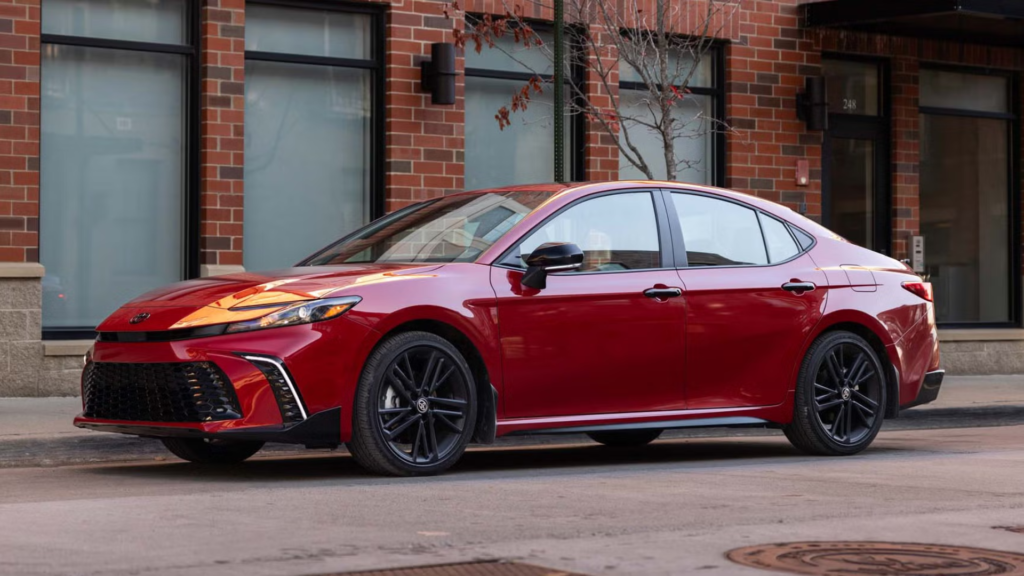
#1 – 2026 Toyota Camry Hybrid: THE CHAMPION
Overall Score: 88/100 | Rank: #1/10 Midsized Cars
This is it. The Best Hybrid Cars 2026 list has one clear winner—the car that makes every other hybrid question its existence.
Specs & Pricing
- Base Price: $35,000
- Fuel Economy: 48 mpg overall | 54 mpg highway
- 0-60: 7.7 seconds (faster than Accord Hybrid)
- Braking: 132 feet dry
- AWD: Standard on every trim (RARE)
- Safety: Perfect 5/5 + IIHS Top Safety Pick PLUS
Why It’s The Winner
The Camry Hybrid beats Honda Accord Hybrid BY ONE POINT despite outshooting it in hybrid car fuel economy by SEVEN MPG.
- Predicted Reliability: 74/100 (STRONG)
- Handling: 52.5 mph avoidance (best in midsize)
- Standard Features: Wireless CarPlay, wireless charging, dual-zone climate, adaptive cruise, lane centering
NO NICKEL-AND-DIMING. Everything comes standard.
Pros
✅ 48 mpg overall (highest in class)
✅ 54 mpg highway (exceptional)
✅ 0-60 in 7.7 seconds
✅ Perfect 5/5 safety + IIHS Top Safety Pick PLUS
✅ Predicted reliability: 74/100
✅ Best handling in midsize
✅ Excellent braking (132 feet)
✅ AWD standard on every trim
✅ Everything is standard—no upsells
✅ Wireless CarPlay + charging included
✅ Best-seller for a reason
Cons
❌ Wet braking: 151 feet (14 feet longer than Accord)
❌ CVT engine loud during hard acceleration
❌ Front seats fade on 1.5+ hour drives
❌ Rear seat tight for tall passengers
Best Trim to Buy
LE with Convenience Package
Get power driver seat + lumbar support without overpaying for unnecessary luxury features.
Most Reliable Hybrid Cars: Long-Term Value
Reliability isn’t just about avoiding repairs—it’s about confidence. When you’re spending $30K+, you want peace of mind.
Predicted Reliability Scores Compared
| Car | Reliability Score | Notes |
|---|---|---|
| Toyota Camry Hybrid | 74/100 | STRONG—best in ranking |
| Honda Accord Hybrid | 64/100 | Below Honda’s usual standard |
| Honda Civic Hybrid | 5/5 brand | Excellent track record |
| Toyota Corolla Hybrid | 5/5 brand | Toyota reliability |
| Hyundai Elantra Hybrid | 59/100 | Below average |
| Kia Niro | 56/100 | Lowest in ranking |
| Toyota Prius | 4/5 brand | Strong historical data |
Warranty Coverage: Who Offers the Best?
10-Year / 100,000-Mile Drivetrain Warranty:
- Hyundai Elantra Hybrid
- Kia Niro
5-Year / 60,000-Mile (Standard Industry):
- Toyota Camry Hybrid
- Honda Accord Hybrid
- Honda Civic Hybrid
Hyundai and Kia’s extended warranty is a significant advantage for most reliable hybrid cars, especially given their lower reliability scores. It’s insurance against unknown failures.
Hybrid Car vs Sedan: What’s the Real Difference?
Not sure if a hybrid makes sense for you? Let’s compare apples to apples.
Fuel Economy: Hybrid vs Traditional Gas
Toyota Camry (gas): 28 mpg combined
Toyota Camry Hybrid: 48 mpg combined
Savings per year (12,000 miles, $3.50/gallon):
- Gas: 428 gallons/year = $1,500
- Hybrid: 250 gallons/year = $875
- Annual savings: $625
Over 10 years: $6,250 in fuel savings. The hybrid typically costs $2,000-$4,000 more upfront, so payback happens in 3-7 years.
Performance & Handling
Hybrids once sacrificed performance for efficiency. Not anymore. The Camry and Accord hybrids actually handle BETTER than traditional gas sedans because weight distribution improves with battery placement.
Maintenance Costs
Myth: Hybrid maintenance is expensive.
Reality: Hybrids typically cost LESS to maintain because:
- Regenerative braking means less brake wear
- Hybrid batteries are warrantied 8-10 years
- Electric motors have fewer moving parts
Resale Value
Hybrids depreciate slightly slower than gas equivalents because fuel economy interest remains strong. A 5-year-old Camry Hybrid retains value better than a gas Camry.
Which Should You Choose?
Buy hybrid if:
- You drive 12,000+ miles annually
- You keep cars 5+ years
- You want lower fuel costs
- Gas prices concern you
Buy gas if:
- You drive <6,000 miles annually
- You lease and turn in every 3 years
- Upfront cost is the priority
- You rarely take road trips
Best Hybrid Cars for Families
Families have specific needs: safety, space, easy entry/exit, and reliability.
Cargo Space & Seating Comfort
| Car | Trunk (cu. ft.) | Rear Legroom | Family Rating |
|---|---|---|---|
| Honda Accord Hybrid | 17 | Excellent | ⭐⭐⭐⭐⭐ |
| Toyota Camry Hybrid | 15 | Very Good | ⭐⭐⭐⭐⭐ |
| Toyota Crown | 14 | Good | ⭐⭐⭐⭐ |
| Honda Civic Hybrid | 12 | Good | ⭐⭐⭐⭐ |
| Hyundai Elantra Hybrid | 11 | Fair | ⭐⭐⭐ |
| Kia Niro | 19.3 | Very Good | ⭐⭐⭐⭐ |
| Toyota Prius | 13 | Fair | ⭐⭐⭐ |
| Toyota Corolla Hybrid | 13 | Fair | ⭐⭐ |
Safety Features for Families
All eight cars rank 5/5 in safety. But IIHS Top Safety Pick is rarer:
IIHS Top Safety Pick: Camry, Accord, Civic, Prius, Elantra
This means exceptional crash test performance across all categories.
Child-Friendly Features
Look for:
- ✅ LATCH system (standard on all)
- ✅ Rear USB charging (Camry standard, Accord standard)
- ✅ Spacious rear doors
- ✅ Easy car seat installation
Top 3 Family-Friendly Hybrids
- Toyota Camry Hybrid — Best balance of space, safety, and reliability
- Honda Accord Hybrid — Most premium feel, excellent rear legroom
- Kia Niro — Most cargo space, extended warranty
Buyer’s Guide: How to Choose Your Hybrid
Overwhelmed? Follow this step-by-step process.
Step 1: Determine Your Budget
- Under $25K: Corolla Hybrid, Elantra Hybrid
- $25K-$30K: Niro, Prius, Civic Hybrid
- $30K-$40K: Accord Hybrid, Camry Hybrid
- $40K+: Toyota Crown
Step 2: Prioritize Your Needs (Fuel Economy vs Comfort)
Priority: Maximum fuel economy? → Toyota Prius (51 mpg) or Camry Hybrid (54 mpg highway)
Priority: Best driving experience? → Honda Accord Hybrid or Civic Hybrid
Priority: Best value? → Hyundai Elantra Hybrid ($4K cheaper than Civic, same score)
Priority: Maximum warranty? → Kia Niro or Elantra (10-year/100K coverage)
Step 3: Check Reliability & Warranty
Visit Consumer Reports and cross-reference predicted reliability. Factor warranty into long-term cost.
Step 4: Test Drive Your Top 2 Choices
This is critical. Sit in seats for 20+ minutes. Check blind spots. Feel the braking. Listen to engine noise during hard acceleration. Comfort is subjective—trust your gut.
Step 5: Make the Decision
Use this ranking as a framework, but let YOUR priorities guide the final choice.
FAQ: Hybrid Car Questions Answered
Do hybrids really save money on fuel?
Yes. Expect 30-50% fuel savings vs. traditional gas cars. At current gas prices ($3-$4/gallon), the math favors hybrids for owners driving 12,000+ miles annually.
How long do hybrid batteries last?
8-10 years minimum. Most manufacturers warranty them to 150,000+ miles. Real-world data shows hybrids keeping original batteries past 200,000 miles. Battery replacement costs $3,000-$8,000, but this rarely happens before 10 years.
Are hybrids expensive to maintain?
No. Regenerative braking reduces brake wear. Fewer moving parts in electric motors. Regular oil changes and tire rotations are standard. Most owners report LOWER maintenance costs than gas equivalents.
Should I buy hybrid or electric?
Hybrid: If you take long road trips, need towing, or want zero charging infrastructure concerns.
Electric: If you drive <150 miles daily, have home charging, and want zero emissions.
Which hybrid has the best warranty?
Hyundai Elantra and Kia Niro both offer 10-year/100K-mile drivetrain coverage. Toyota and Honda offer standard 5-year/60K warranties.
Are used hybrids worth buying?
Yes. A used Camry or Accord hybrid with 60K miles is excellent. Battery degradation is minimal at this mileage. You’ll recoup fuel savings quickly.
Final Verdict: The Best Hybrid for Every Situation
Best Overall: Toyota Camry Hybrid
Winner across every category. Best fuel economy, reliability, safety, and value. If you’re unsure, buy this. You won’t regret it.
Best Value: Hyundai Elantra Hybrid
Same score as Civic Hybrid at $4K less. Best warranty in its class. Smart money goes here.
Best for Drivers: Honda Accord Hybrid
Handles like a sports sedan. Responsive. Refined. If you enjoy driving, this is your car.
Best for Families: Toyota Camry Hybrid
Largest trunk in segment (except Niro). Comfortable for 5. All safety features standard. Perfect family hauler.
Best Budget Option: Toyota Corolla Hybrid
Cheapest entry point. Reliable. You’re sacrificing comfort for cost, but the Toyota reliability is unmatched.
Conclusion: Your Next Car Decision Starts Now
There it is—#8 to #1. The Corolla is the budget trap. The Civic and Elantra are the smart plays. The Accord is for drivers. But the Camry Hybrid? It’s the only car that wins EVERYWHERE.
You get best hybrid car fuel economy, safety, reliability, handling, AND affordability. The bestseller for a reason.
Key Takeaways
✅ Best Overall: Toyota Camry Hybrid (88/100)
✅ Best Value: Hyundai Elantra Hybrid (78/100)
✅ Best Driving: Honda Accord Hybrid (87/100)
✅ Budget: Toyota Corolla Hybrid (71/100)
Your Next Move
- Shortlist 2-3 cars from this ranking
- Visit dealerships and test drive
- Compare final prices with incentives
- Check insurance quotes (varies by model)
- Make your decision
Your next car decision just got EASY.
Which hybrid would YOU pick? Comment below. Better yet, share this guide with friends considering their next hybrid purchase.
You can read all blogs by clicking here.