
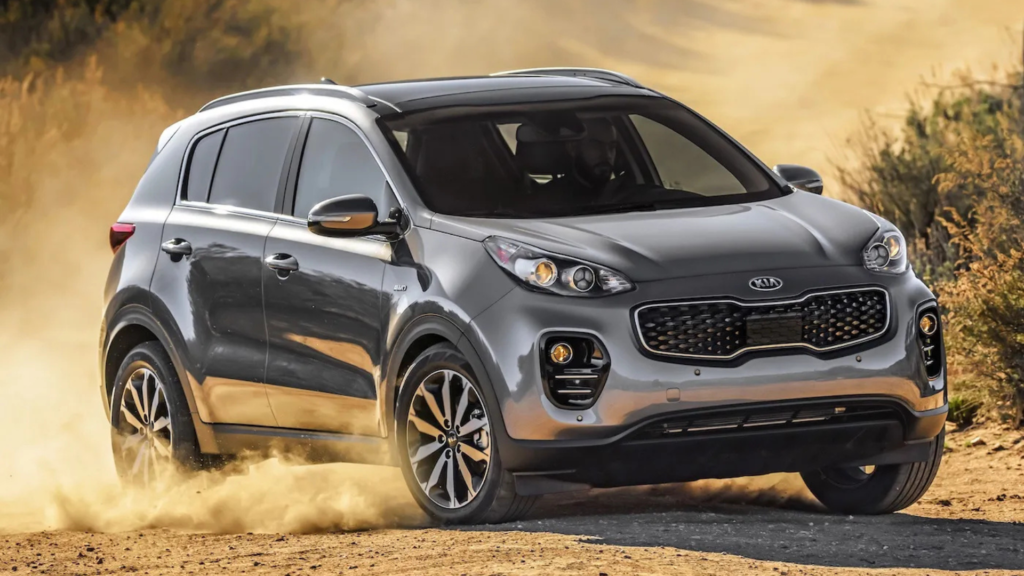
The best reliable used cars that hold value are rarely the ones everyone talks about. They’re not the flashy new models with advanced tech or the brands trending on social media. They’re the underrated cars that quietly deliver what actually matters: decades of dependable performance, minimal repair surprises, and resale values that don’t plummet. In this guide, we’ve identified nine vehicles that do exactly this—cars that prove you don’t need to chase hype to make a smart purchase decision.
Introduction
Most cars lose money the moment you buy them. Depreciation. Repairs. Hidden costs. But some cars do the opposite—they hold value, last longer, and cost less over time.
This guide breaks down 9 underrated cars that actually make financial sense. Not hype. Not features. Just proven reliability and real value.
On the other side of the market, some used cars can become expensive mistakes. See our 10 Used Cars to Avoid in 2026 before you buy.
Why Most Cars Lose Money (And These Don’t)
Modern cars pack in complexity: turbochargers, CVTs, advanced electronics. More features sound impressive, but more parts = more things that break. Higher repair costs. Steeper depreciation. Buyers know this, so they pay less for used versions.
The nine cars here are different. Simple, proven engineering. Naturally aspirated engines. Traditional transmissions. They do one thing well: last. That’s why they hold value.
What Makes a Car “Hold Value”?
Real value has three pillars:
- Low Depreciation — Stays worth closer to purchase price
- Predictable Costs — No surprise $3,000 repair bills
- Long-term Reliability — Makes it to 200,000+ miles with basic care
When buyers see these three qualities, they want the car used. Demand stays strong. Prices hold better. That’s the cycle.
How We Selected These 9 Cars
We picked cars based on:
- Proven Engineering — Tested across millions of vehicles over years
- Low Maintenance — Good parts availability, straightforward service
- Market Inefficiency — Overlooked or misunderstood, so cheaper than they should be
The result: nine cars from 2009–2022 that make financial sense long-term.
The Problem With Buying Wrong Cars
Most people ignore what happens after purchase. Depreciation eats 50-60% of value. Repairs cost thousands. This is why most cars lose money. Understanding these problems helps you recognize which cars actually hold value.
Depreciation: The Silent Money Killer
A new car loses 20-30% in year one. By year five, it’s lost 60% of its value.
The depreciation rate isn’t random. Some cars hold value better because buyers trust them. Others tank because the market knows they’ll need expensive repairs at 100,000 miles.
That’s why reliable used cars that hold value are sought after. Buyers pay 70-75% of original price because they know the car will last. That demand keeps prices high.
Hidden Repair Costs That Add Up
Modern cars are complex: turbochargers, CVTs, hybrid batteries all fail expensively. A single repair costs $2,000-$5,000. Only dealerships can fix them, charging premium rates.
A reliable used car with simple engineering is different. Naturally aspirated engine? Any mechanic services it. Parts cost $50-$200. Traditional automatic? No proprietary systems.
Over five years: complex cars = five surprise $2,000+ bills. Simple cars = predictable maintenance, occasional $300-$500 repairs. Total savings: $10,000+.
When you sell, buyers know this. Simple cars cost less to maintain. So they pay more. The car holds value.
Why Hype Doesn’t Equal Value
The industry sells hype: turbocharged engines, cutting-edge hybrids, advanced tech. Buyers believe new technology must be reliable by now. They buy and get burned.
New technology takes 5-10 years to prove itself. First-gen turbos? High failure rates at 100,000 miles. First-gen CVTs? Problems at 80,000 miles.
Meanwhile, boring cars quietly work. Naturally aspirated engines refined 20+ years. Traditional automatics proven across millions. Simple hybrids tested over decades.
They don’t make headlines. But they hold value. Because boring = reliable = your money stays in your pocket.
That’s the difference: one chases hype, the other delivers reliability. Reliability always wins.
9 Most Reliable Used Cars That Hold Value
Now let’s get to the nine cars that actually make financial sense. These aren’t the flashy choices or the trending brands. They’re overlooked, undervalued, and built to last. Each one proves that the best reliable used cars aren’t always the obvious picks—they’re the ones smart buyers know about.
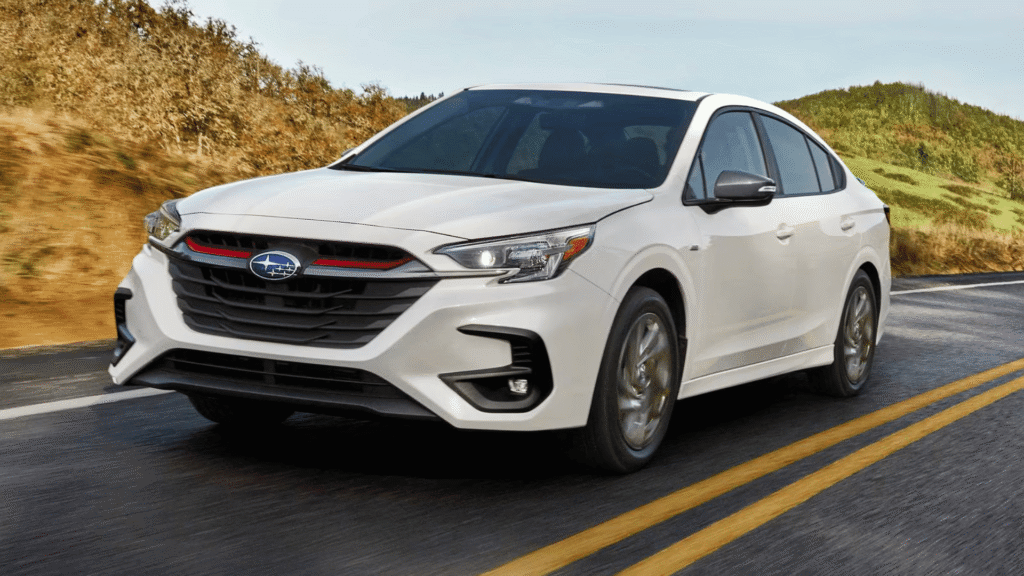
#9 – Subaru Legacy: Most Reliable AWD Sedan
2018–2022 | Naturally Aspirated 2.5L Engine | CVT Transmission
The Subaru Legacy looks basic. It’s not exciting. But it delivers something rare: standard AWD at mid-size sedan prices without SUV costs.
The 2.5L naturally aspirated engine is proven. No turbo complexity. Just simple, reliable engineering that runs for 200,000+ miles with proper maintenance. The CVT is the weak point, but with regular servicing, it stays smooth.
Real value: AWD capability for rain, snow, rough roads. Same price range as Camry or Accord, but more capability.
Why it holds value: Practical, reliable, understated. Subaru buyers trust the brand for longevity.
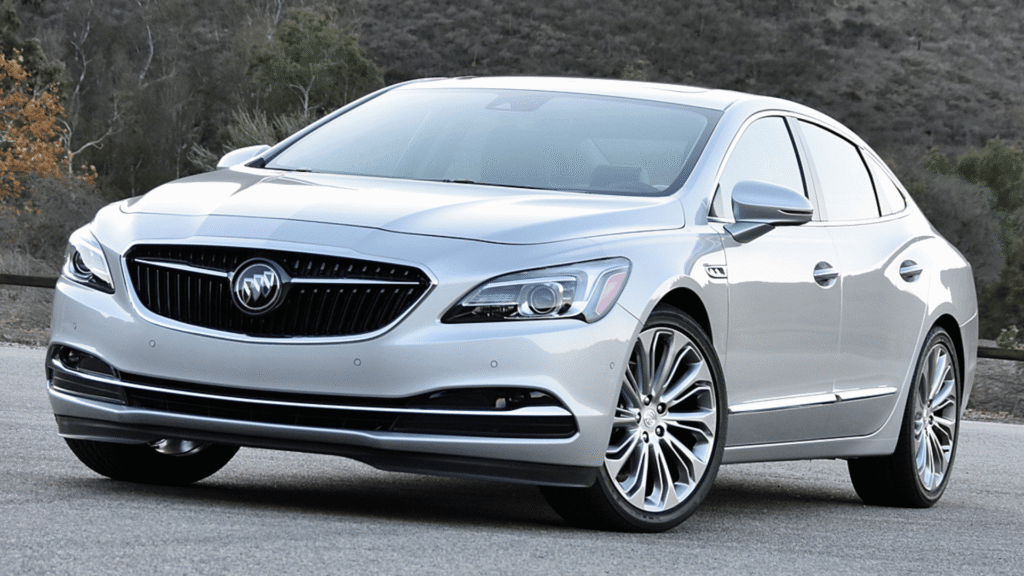
#8 – Buick LaCrosse: Best Used Car for Value
2017–2019 | 3.6L V6 Engine | Automatic Transmission
Nobody talks about it. That’s the point. Owners don’t want to sell theirs because this car is built for one thing: comfort.
The 3.6L V6 is naturally aspirated, proven across GM platforms. Soft suspension. Low road noise. Ride quality closer to Lexus than a typical sedan. This is a luxury experience without luxury prices.
Heavy depreciation means you can buy this for Camry money—or less. But the experience? Not even close.
Why it holds value: Full-size comfort at mid-size pricing. Parts availability is solid.
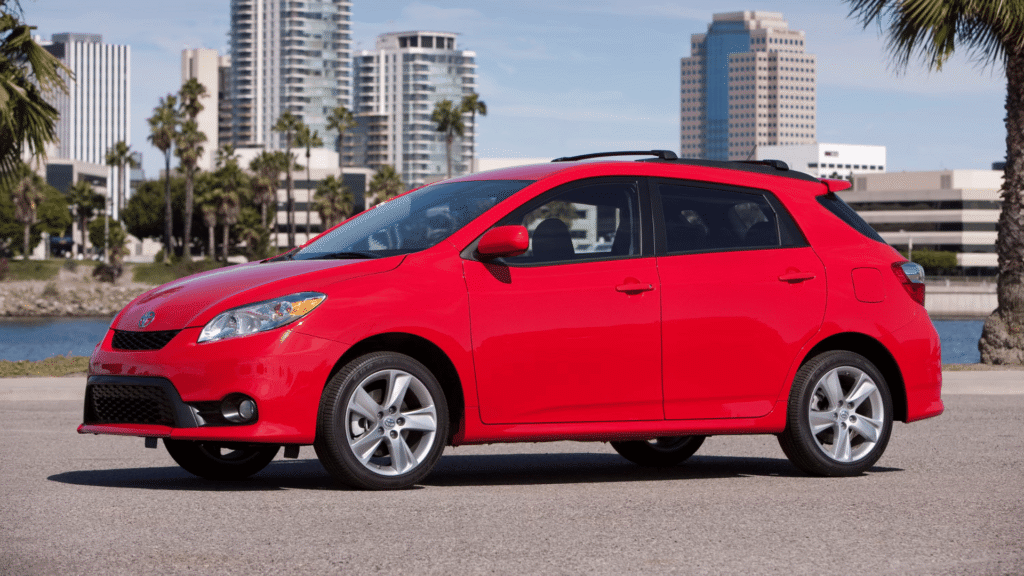
#7 – Toyota Matrix: Reliable Used Car Under $10k
2009–2013 | 1.8L Naturally Aspirated Engine | Automatic Transmission
People ignore it because it looks basic and feels outdated. But here’s the truth: this is basically a Corolla in hatchback form. Same engine. Same reliability. Same 200,000+ mile durability.
1.8L naturally aspirated engine. No turbo, no hybrid complexity. Just simple proven engineering. Hatchback design means more cargo space and practicality than a Corolla sedan.
Because there’s no hype, it stays cheap. You get reliable, practical, affordable all at once. That combination is rare.
Why it holds value: Toyota reliability in an overlooked package.
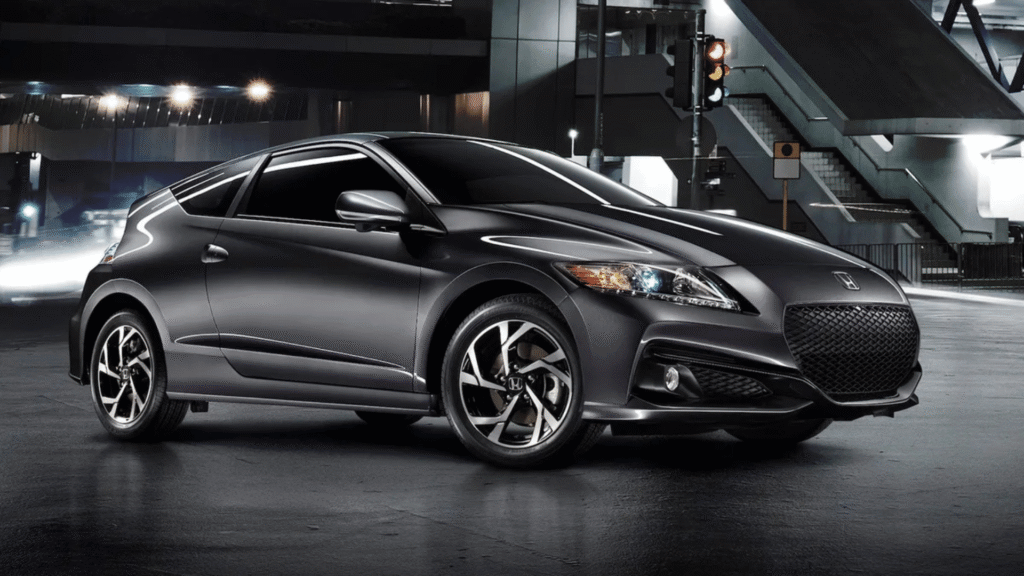
#6 – Honda CR-Z: Affordable Reliable Hybrid
2013–2016 | 1.5L Hybrid Engine | Manual or Automatic Transmission
Most people hear “hybrid” and think expensive problems. This one is different. It’s a simple hybrid: 1.5L engine with Honda IMA system. No complex power-splitting. No overengineered setup.
This came with a manual transmission—that tells you everything. It wasn’t built just for efficiency; it was built to stay simple.
Hybrid fuel economy. Low running costs. Lower long-term risk versus modern hybrids.
Why it holds value: Hybrid simplicity without hybrid headaches.
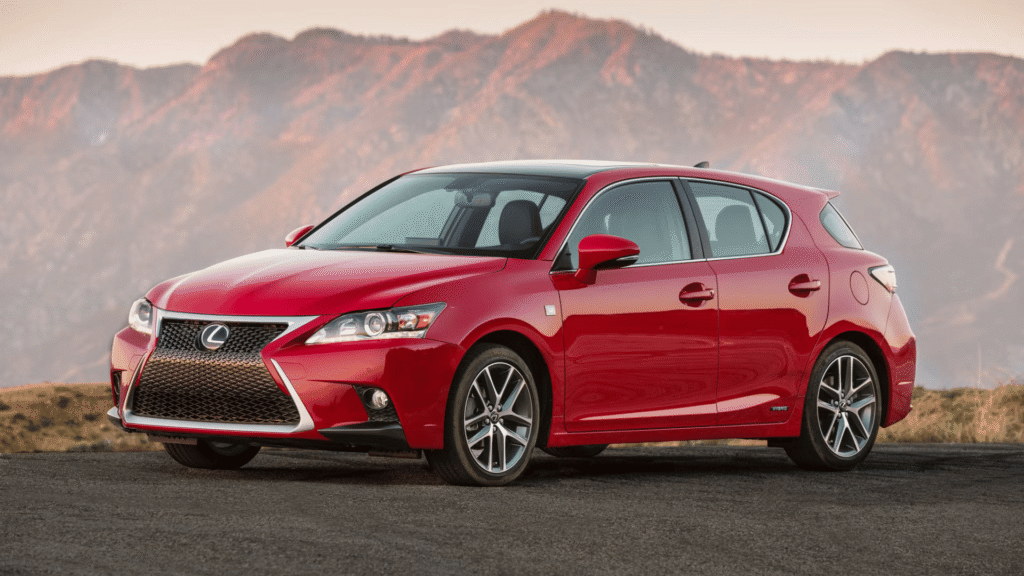
#5 – Lexus CT200h: Luxury Used Car That Holds Value
2015–2017 | 1.8L Hybrid Engine | eCVT Transmission
This looks like a luxury hatchback. Underneath? It’s basically a Prius. Same hybrid system. Same proven reliability over decades and millions of units.
eCVT has no belts or clutches. Fewer parts = fewer problems. Add Lexus build quality: better materials, quieter cabin, more refined ride. You get a hybrid that feels premium.
Pricing is same range as well-equipped economy cars. But what you’re getting is luxury badge + proven hybrid tech + predictable ownership.
Why it holds value: Prius reliability with premium feel.

#4 – Scion xB: Practical Reliable Used Vehicle
2012–2015 | 2.4L Engine | Automatic Transmission
Yeah—it looks weird. Boxy. Unusual. But underneath? Pure Toyota. 2.4L engine from the Camry. Traditional automatic. No CVT. Simple = predictable.
That boxy design means massive headroom and cargo space. More practical than most compact cars.
Because nobody wants it, it stays cheap. Reliable, practical, undervalued all at once.
Why it holds value: Toyota reliability in an overlooked design.
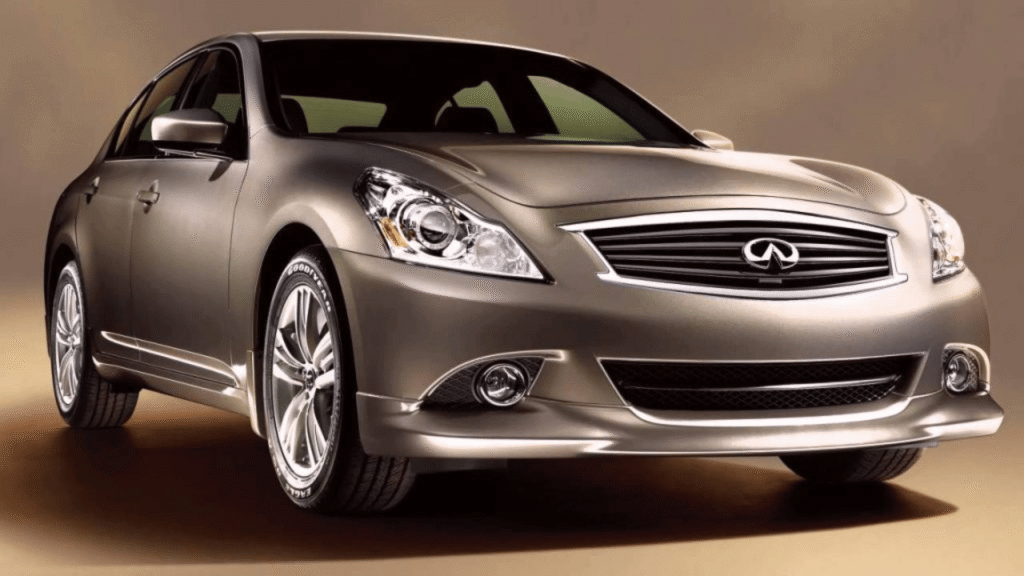
#3 – Infiniti Q40: Performance Used Car Worth Buying
2015 | 3.7L V6 Engine | Automatic Transmission | RWD
Old-school engineering done right. No turbo downsizing. No CVT. No overcomplicated systems.
3.7L V6 (VQ37VHR)—one of Nissan’s most reliable performance engines. Proven across multiple platforms over years. Rear-wheel drive. Better balance. More engaging driving feel.
This combo (NA V6 + automatic + RWD) is disappearing. No hype means prices stay low. You’re getting rare performance + reliability together.
Why it holds value: Old-school reliability with actual driving engagement.
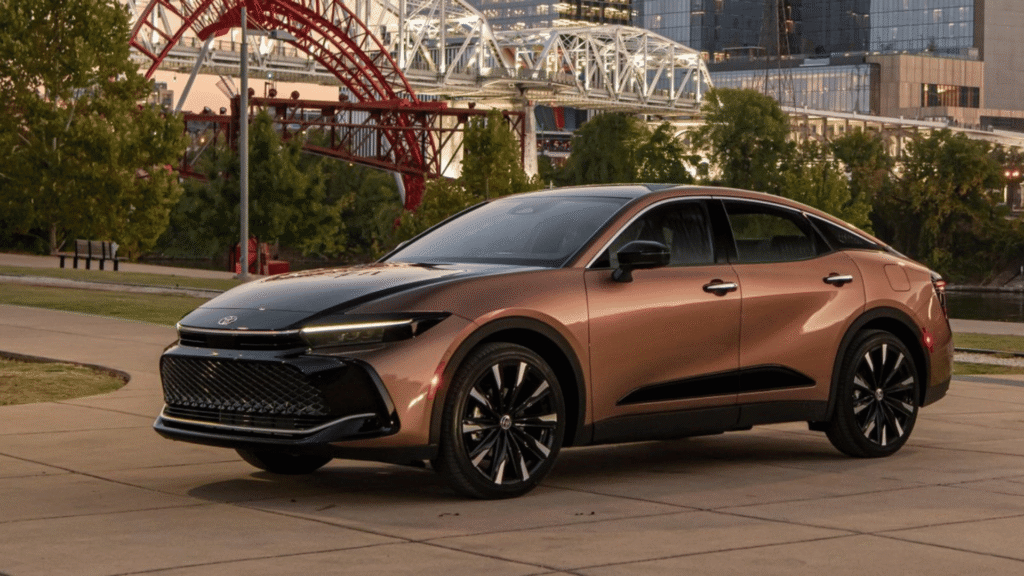
#2 – Toyota Crown: Imported Reliable Used Sedan
2018–2022 JDM/Imported | Advanced Hybrid System | Automatic Transmission
This isn’t just underrated—most people don’t even know it exists. This is Toyota’s flagship sedan in Japan. Above: Camry. Above Avalon.
Built to higher standards. Advanced hybrid systems refined over years. Built in Japan with stricter quality control. Flagship models go through tighter tolerances. Better assembly consistency.
It feels it: quieter cabin, smoother ride, higher refinement. Closer to Lexus than Camry.
Low demand in import markets = lower prices. You’re getting flagship quality without flagship pricing.
Why it holds value: Premium Toyota engineering at mid-level sedan cost.
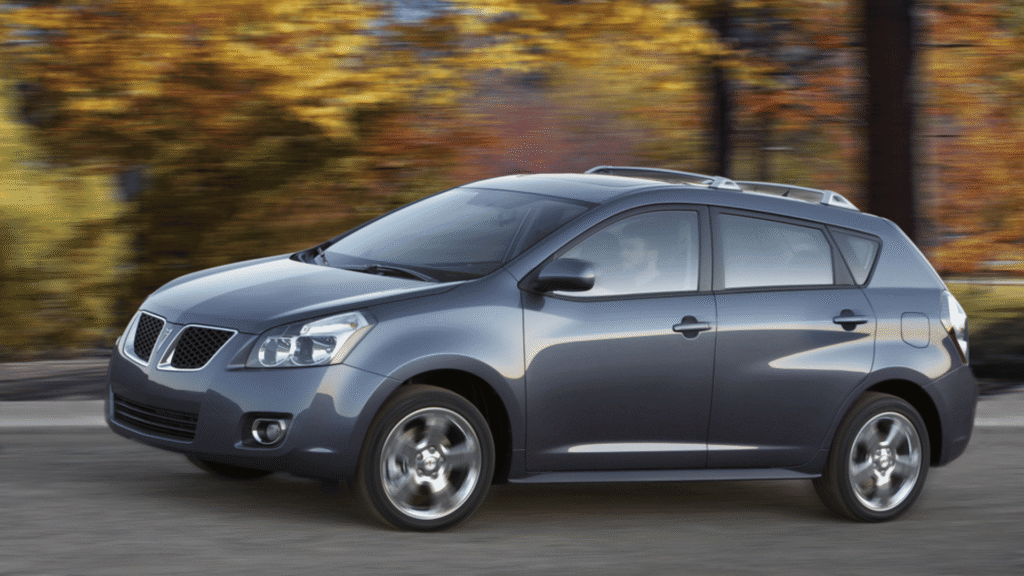
#1 – Pontiac Vibe: Hidden Gem That Holds Value
2009–2010 | 1.8L Naturally Aspirated Engine | Automatic Transmission
This might be the most underrated car here. On the surface: just an old Pontiac. Basic. Unexciting. Easy to ignore.
But underneath? This is a Toyota Matrix. Same platform. Same 1.8L engine. Same proven reliability. Built through a Toyota–GM partnership—you’re getting Toyota engineering with a different badge.
This engine is known for lasting. 200,000 miles? Normal. Minimal issues. Simple design.
Here’s why it becomes the smartest buy: It says Pontiac—not Toyota. Demand is lower. Resale value is lower. Price is lower. But the car? Basically identical.
You’re paying less for the same reliability. That’s not just value—that’s a market inefficiency.
Why it holds value: Same as Toyota Matrix, but cheaper because of the badge.
Comparison Table: All 9 Most Reliable Used Cars
Quick comparison of all nine cars. See specs, pricing, reliability, and depreciation at a glance.
Quick Specs & Pricing
Subaru Legacy (2018-22) | $18k-$24k | 2.5L NA | CVT | Sedan Buick LaCrosse (2017-19) | $16k-$20k | 3.6L V6 | Auto | Sedan Toyota Matrix (2009-13) | $8k-$12k | 1.8L NA | Auto | Hatchback Honda CR-Z (2013-16) | $12k-$16k | 1.5L Hybrid | Manual/Auto | Coupe Lexus CT200h (2015-17) | $16k-$20k | 1.8L Hybrid | eCVT | Hatchback Scion xB (2012-15) | $10k-$14k | 2.4L NA | Auto | Wagon Infiniti Q40 (2015) | $18k-$24k | 3.7L V6 | Auto | Sedan Toyota Crown (2018-22) | $20k-$28k | Hybrid | Auto | Sedan Pontiac Vibe (2009-10) | $7k-$11k | 1.8L NA | Auto | Wagon
Budget Breakdown:
- Under $12k: Toyota Matrix, Pontiac Vibe, Scion xB
- $12k-$18k: Honda CR-Z, Buick LaCrosse, Lexus CT200h
- $18k+: Subaru Legacy, Infiniti Q40, Toyota Crown
Reliability & Depreciation Rates
Best Reliability (9/10+): Toyota Matrix, Pontiac Vibe, Toyota Crown, Lexus CT200h
Best Depreciation (30-35%): Toyota Matrix, Toyota Crown, Pontiac Vibe
Best Value: Pontiac Vibe ($7k-$11k) + Toyota Matrix ($8k-$12k) = Lowest cost + highest reliability
Best for Families: Subaru Legacy (AWD + space) or Scion xB (massive interior, cheap)
Best for Luxury Feel: Lexus CT200h (Prius reliability, premium interior) or Buick LaCrosse
Best for Performance: Infiniti Q40 (old-school V6 + RWD)
Best Budget Option: Toyota Matrix or Pontiac Vibe (same reliability, Matrix costs more)
Best Premium Import: Toyota Crown (flagship Toyota engineering, lower prices)
Key Insight: Toyota-based cars hold 65-70% value over 5 years. Complex cars hold 50-55%. Simple engineering wins every time.
Repair Cost Reality:
- Naturally aspirated + traditional automatic = $300-$500 repairs
- Turbo + CVT + advanced hybrid = $2,000+ repairs
- Difference compounds to $10,000+ over 5 years
How to Buy These Reliable Used Cars
Know which cars to buy. Now learn how to actually buy them without overpaying.
Where to Find These Models
Online: Autotrader, Cars.com, Facebook Marketplace.
Private vs Dealership: Dealerships cost 20-30% more. Private sellers are cheaper but riskier.
Smart move: Find cars online, then contact sellers directly to skip dealership markup.
Pricing: Use Kelley Blue Book before calling. If asking price is 10%+ above KBB, walk away.
What to Check Before Buying
Service History: Non-negotiable. Ask for oil change receipts, transmission service, coolant flushes. No records = red flag.
Mileage Reality: Maintenance matters more than miles. A 150k-mile car with full service history beats an 80k-mile car with no records.
Accident History: Run CarFax/AutoCheck ($30). Look for structural damage, major accidents, flood damage, title issues.
Visual Check: Rust, paint overspray, working lights, smooth doors, no rattles.
Engine: Cold start should be immediate, no knocking, oil should be brown (not black sludge), no white smoke from exhaust.
Inspection Checklist
Before Test Drive:
- All lights work (headlights, brake lights, turn signals)
- Windows roll up/down smoothly
- No visible rust or body damage
- Tire tread at least 4/32″
- No paint overspray or mismatched panels
- VIN matches on doors and frame
During Test Drive:
- Smooth acceleration, no hesitation
- Firm brakes, no grinding
- Responsive steering, no pulling
- Smooth transmission shifts
- No unusual engine/transmission/drivetrain noises
- AC cold, heat warm
- All controls function
- Feel road noise at highway speeds
After Test Drive:
- Normal engine temperature
- No leaks under car
- No burning rubber/oil smell
- Trunk condition, spare tire present
- All door locks work
Negotiation Tips for Best Value
Know Your Number: Research KBB/NADA. This is your walk-away price.
Start Lower: Offer 10-15% below asking. Most sellers expect this.
Inspection Leverage: Use mechanic findings to negotiate lower. “I need $1,200 in repairs, so I’m adjusting my offer by $1,500.”
Get Inspection: Take to independent mechanic ($100-$150). Real issues = real negotiating power.
Timing: End of month, bad weather, winter = seller motivation.
Walk Away Power: Don’t get emotional. If this car is too expensive, another will come.
Final Offer: Make it 5-7% below asking after inspection. Be ready to walk if they counter too high.
Red Flags to Avoid:
- “Just needs transmission fluid” (often means transmission failing)
- “Check engine light is nothing” (always scan it)
- Pressure to decide immediately (walk away)
- Obvious leaks (they get worse)
Bottom Line: Don’t rush. Inspect properly. Negotiate fairly. A $2,000 reduction today saves $10,000 in repairs over five years.
Common Mistakes People Make When Buying Used Cars
Most buyers focus on the wrong things. They chase features. They ignore service records. They overpay for brand names. These mistakes cost thousands and turn reliable used cars into bad investments.
Focusing on New Features Instead of Reliability
Heated seats. Touchscreens. Lane-keeping assist. Advanced tech sounds impressive but means complexity. More electronics = more failures at 100,000 miles = $2,000+ repairs.
A 2015 car with a proven engine beats a 2020 car loaded with gadgets every time. Features don’t make cars last. Reliability does.
When shopping, ask one question: “Will this run reliably at 150,000 miles?” If yes, forget the fancy tech.
Ignoring Maintenance History
No service records = red flag. A car with no maintenance history might have:
- Oil never changed (engine sludge, premature failure)
- Transmission fluid never serviced (CVT failure)
- Coolant never flushed (head gasket issues)
- Brakes ignored (safety problem)
A 120,000-mile car with full service records beats a 60,000-mile car with no records. Always demand:
- Oil change receipts
- Transmission service records
- Coolant and brake flushes
- Any major repairs documented
No records = walk away. Thousands of reliable used cars exist. Don’t buy the mystery.
Overpaying for Brand Name
People pay premium for Honda or Toyota badges. A Civic costs $2,000 more than a Matrix—same reliability, different badge.
Discontinued brands are worse. Pontiac Vibe is cheap because Pontiac is gone, not because it’s unreliable. It’s a Toyota Matrix underneath. Same engine. Same durability. But costs $8,000 less.
Luxury brands worst of all. Lexus costs $5,000 more than the Toyota it’s based on. Same engine. Same transmission. Different steering wheel.
Compare engineering, not badges. Same engine + same transmission = same reliability. If the badge costs $5,000 extra, you’re overpaying for prestige, not value.
Buy logically. Ignore the name. Your bank account wins in five years.
FAQ: Best Reliable Used Cars Questions
Quick answers to common questions about finding and buying reliable used cars that hold value.
Which reliable used car is best for families?
Subaru Legacy — AWD safety, proven reliability, good cargo space.
Scion xB — Massive interior, cheap ($10k-$14k), practical.
Budget option: Toyota Matrix — Affordable ($8k-$12k), roomy, durable.
Can I really get 200k miles from these cars?
Yes. With maintenance.
Oil changes every 3,000-5,000 miles. Transmission fluid service. Coolant flushes. Brake inspections. That’s it.
200k miles with proper care = normal for these cars.
200k miles with neglect = engine failure at 100k.
The difference: $50/month in preventative maintenance.
Are imported cars like Toyota Crown reliable?
Yes. Toyota Crown is built in Japan with stricter quality control than US models.
Common fear: “Hard to service.” Wrong. Toyota parts are universal. Any Toyota dealer can service it. Independent mechanics too.
Real advantage: Japanese factories have tighter tolerances. Build quality is premium.
Downside: Slightly harder to find parts (but available). Some mechanics unfamiliar (but most are fine).
If you find a well-maintained Crown, it’s better than a US Camry.
What’s the best budget for reliable used cars?
Under $12k: Toyota Matrix or Pontiac Vibe. Best value, lowest total cost.
$12k-$18k: Honda CR-Z, Scion xB, or Lexus CT200h. Sweet spot—affordability or premium feel.
$18k+: Subaru Legacy, Infiniti Q40, or Toyota Crown. Better interiors, more power, still reliable.
The math: Don’t just look at purchase price. Factor in repairs.
$8k car + $300/year repairs = $13.5k total over 5 years. $20k car + $1k/year repairs = $25k total over 5 years.
Cheaper car wins.
Should I buy from dealership or private seller?
Private seller: 20-30% cheaper, higher risk, no warranty.
Dealership: 20-30% markup, warranty included, lower risk.
Smart move: Buy private but hire a mechanic ($100-$150) for inspection. Mechanic finds issues. Use issues to negotiate lower. Still cheaper than dealership.
Exception: If car is rare (Toyota Crown) or you want warranty peace of mind, dealership is worth it.
Final answer: Private seller is better financially if you inspect properly.
Conclusion: Real Value Isn’t About the Badge
Real value isn’t about features, brand names, or how new the car is. It shows up later—in repair bills you avoid, depreciation you prevent, reliability you can count on.
The nine cars here prove it. They’re not flashy. They don’t trend. Most people ignore them. That’s why they hold value.
Key Takeaways
Complexity kills value. Turbos fail. CVTs break. Simple engineering lasts.
Maintenance beats mileage. A high-mileage car with service records outperforms a low-mileage mystery.
Brands cost extra. Pontiac Vibe = Honda Civic reliability, $8k cheaper. Don’t pay for badges.
Depreciation is predictable. Toyota-based cars hold 65-70% of value. Complex cars hold 50-55%.
Math matters. A $12k car with $300/year repairs ($13.5k total) beats a $20k car with $1k/year repairs ($25k total).
These nine cars deliver. Subaru Legacy, Buick LaCrosse, Toyota Matrix, Honda CR-Z, Lexus CT200h, Scion xB, Infiniti Q40, Toyota Crown, Pontiac Vibe. Each proves overlooked cars outperform hyped alternatives.
Your Next Step
If shopping now:
- Pick a car from the list matching your budget
- Search Autotrader/Facebook for that model
- Check Kelley Blue Book pricing
- Hire a mechanic ($100-$150) for inspection
- Negotiate based on findings
- Buy.
If not ready:
- Bookmark this guide
- Research these cars in your area
- Learn fair market prices
- When ready, you’ll know what to look for
Most Reliable Used Cars: Call-to-Action
The difference between a smart buyer and everyone else? About $10,000 over five years.
Here’s what to do:
- Pick Your Car — Choose one. Commit.
- Search Smart — Look at 5-10 listings. Compare.
- Inspect Properly — $150 inspection saves $3,000 in repairs.
- Negotiate Firmly — Use findings as leverage. Walk if needed.
- Buy With Confidence — You know more than 99% of buyers.
The cars that hold value aren’t exciting. They’re not trending. They don’t make headlines.
They work. They last. They don’t cost a fortune to maintain.
That’s real value. Go find it.
You can read all blogs by clicking here.