
The 2026 Car Market Crisis
Billions in Stranded Inventory
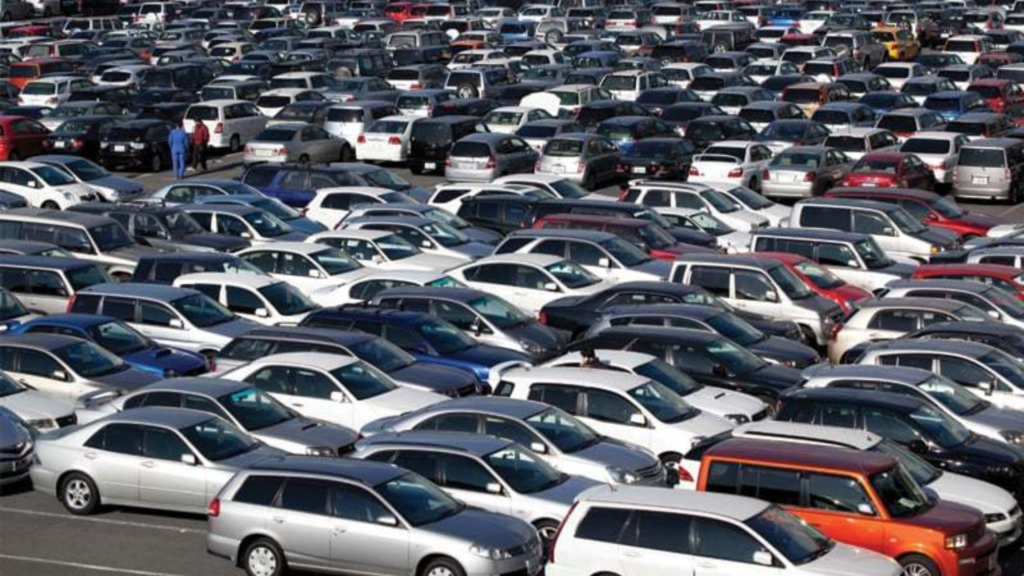
Unsellable Cars in 2026 is the automotive industry facing an unprecedented crisis. Dealership lots across America are filled with vehicles that simply won’t sell. We’re talking about tens of billions in stranded capital—new cars that have become essentially worthless in just months.
Two years ago, people were camping outside dealerships, waiting lists were months long, and dealers had the upper hand. Today? The tables have completely turned. Manufacturers over-estimated demand, made poor strategic decisions, and now dealers are left holding inventory that depreciates daily.
Why Are These Unsellable Cars Losing Value Fast 2026?
The reasons are multifaceted. Some vehicles suffer from poor quality that became apparent once customers took them home. Others were hit by sudden market shifts—like the Nissan Altima announcement of discontinuation that instantly killed resale value. Some manufacturers made catastrophic decisions like removing features customers loved or replacing proven engineering with experimental technology.
What we’re seeing is a perfect storm of manufacturer miscalculation, poor quality control, and shifting consumer preferences. The vehicles in this guide represent the worst offenders—the cars nobody wants anymore, no matter the price.
How This Could Save You $50,000
One wrong car purchase in 2026 could cost you $50,000 in depreciation losses. By understanding which vehicles to avoid, you’re protecting your investment and making a smarter purchasing decision. This guide breaks down the 14 worst-selling new cars in 2026, explains why they’re unsellable, and provides better alternatives.
What Makes a Car “Unsellable” in 2026?
Inventory Days Metric
“Inventory days” refers to how long a vehicle sits on the dealer lot before selling. Industry standard is around 60-70 days. Vehicles with 300+ days of inventory are essentially stalled—they’re not moving.
In this analysis, we’re looking at vehicles with 250+ days of inventory, meaning they’ve been sitting for months without finding buyers. Some have been rotting for nearly two years.
Depreciation Rates
Vehicles losing value fast 2026 show depreciation rates that far exceed normal wear. The Ford Mustang Mach-E, for example, loses 60% of its value over five years—one of the worst depreciation rates of any electric vehicle ever made.
When a new car depreciates that rapidly, it signals serious market rejection. Smart buyers recognize the problem and avoid these vehicles entirely.
Quality & Recall Issues
Many unsellable cars share another common factor: recalls and quality issues. Software problems, structural failures, powertrain issues—these are red flags that keep buyers away. Worst quality new cars 2026 often combine multiple problems: poor design, inadequate testing, and slow recall remediation.
The 14 Unsellable Cars in 2026 (Ranked)
#14 – 2026 Buick Envision: The Tariff Trap
Why It’s Unsellable
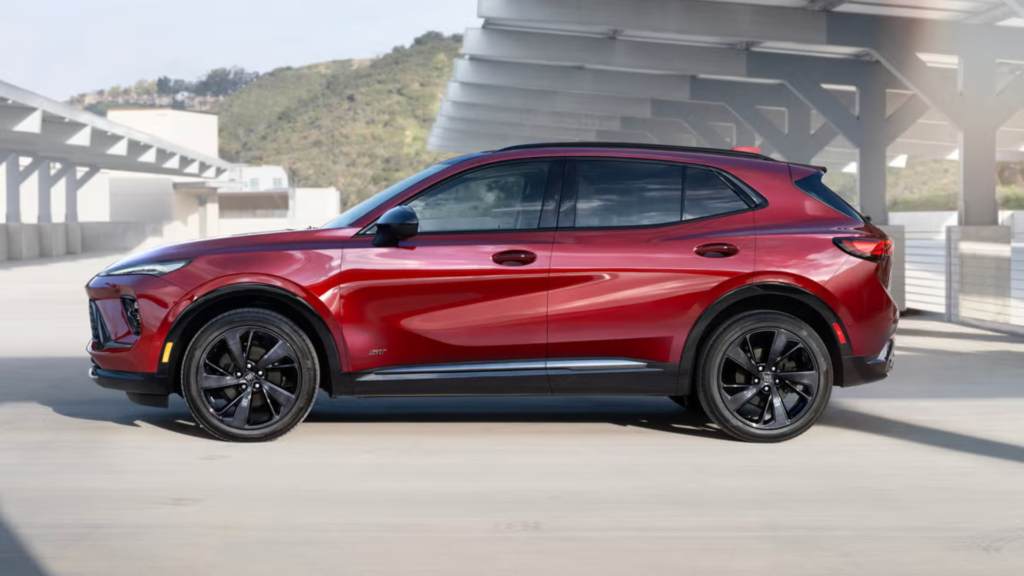
The Buick Envision got killed by economics, not design. When the US implemented a 45% tariff on Chinese cars in 2025, General Motors passed the entire $5,000 cost to consumers. The Envision jumped from $38,000 to nearly $50,000 in less than a year.
You’re now paying luxury money for a mid-grade crossover with an interior from a decade ago. Meanwhile, the Hyundai Santa Fe costs the same and actually feels premium.
Key Issues & Specs
- Inventory Days: 256 days
- Units on Lots: 13,600 nationwide
- Average Price: $47,100
- Main Problem: Tariff-driven price increase made it uncompetitive
Better Alternatives
Consider the Hyundai Santa Fe or Toyota RAV4. Both offer superior interior quality, better reliability ratings, and stronger warranties at comparable prices.
#13 – 2026 Jeep Grand Cherokee L: The Price Betrayal
Why It’s Unsellable
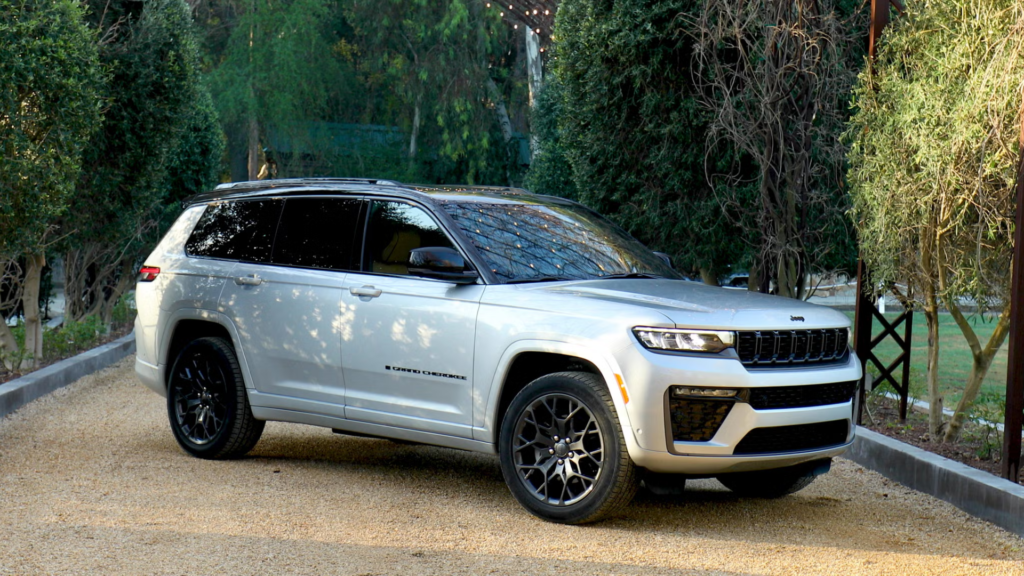
Stellantis has been playing a dangerous game: price high and hope for the best. The Grand Cherokee L pushes $50,000 and competes directly against the Kia Telluride, Hyundai Palisade, and Toyota’s three-row options.
The problem? Those competitors absolutely destroy Jeep on reliability, interior quality, and brand perception. Yet they cost the same. Vehicles to avoid buying 2026 include overpriced Jeeps with weak service networks.
Reliability & Service Problems
- Infotainment screen failures are common
- Service wait times: 6-8 weeks
- Dealership fees: Thousands in bogus charges
- Depreciation: 15% loss immediately
Better Alternatives
The Kia Telluride and Hyundai Palisade are superior choices—better reliability, stronger warranties, and no dealership fee surprises.
#12 – 2026 Ford Bronco: The Hype Killer
Initial Hype vs. Reality
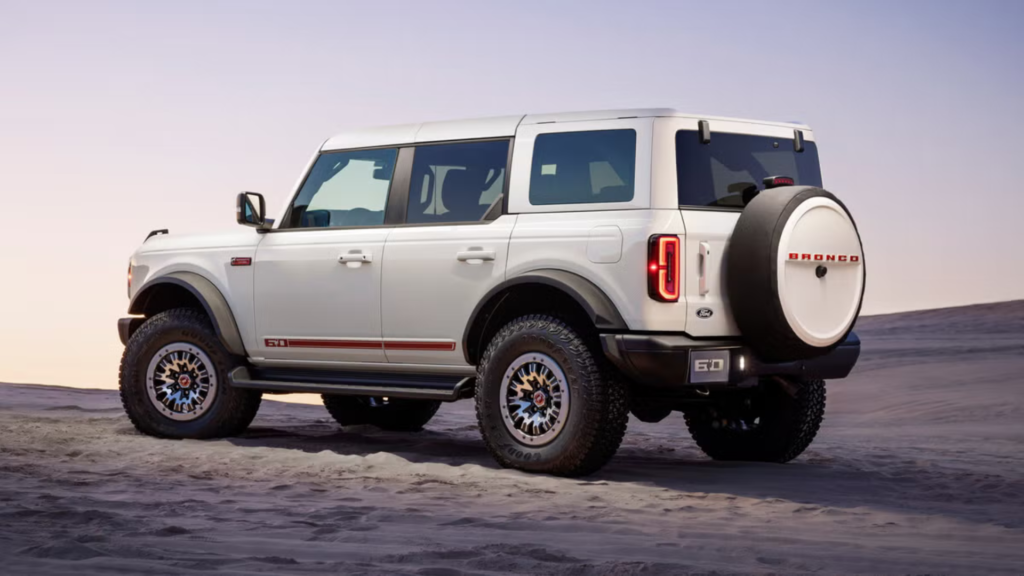
Remember when the Bronco returned? Waiting lists for months. Dealer markups. People camping out. That hype evaporated the moment owners actually drove home.
Wind noise from removable roof panels is unbearable. Water leaks inside the cabin. Suspension is bone-jarring stiff. Fuel economy is atrocious. This is the classic case of overhyped vehicle underdelivering.
Quality Issues & Recalls
Ford issued a recall for the APIM module that controls your entire infotainment system. It can completely shut down while you’re driving:
- No GPS
- No backup camera
- No climate control
- For up to 5 minutes on the highway
In a $50,000 truck, this is unacceptable.
Better Alternatives
- Jeep Wrangler (four-door unlimited)
- Toyota 4Runner
- Chevrolet Tahoe
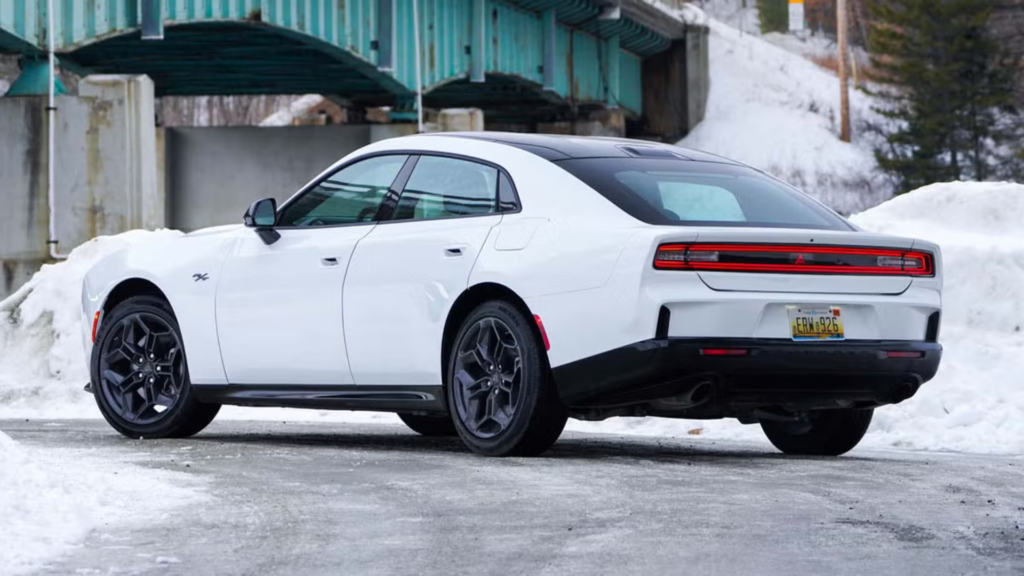
#11 – 2026 Dodge Charger: The Engine Betrayal
The V8 to Turbo Switch
Dodge killed the legendary Hemi V8. Completely gone. Replaced by a three-liter twin-turbo inline-six called the Hurricane.
On paper, 550 horsepower sounds impressive. But here’s what Dodge didn’t understand: People didn’t buy Chargers for a spreadsheet. They bought them for that V8 rumble. That visceral acceleration. That sound.
The Hurricane is just a turbocharged engine that sounds like a German luxury car. It’s not a Dodge—it’s a compromise wearing a Dodge badge.
Performance & Market Reception
- Base price: $52,000 (15K jump from previous generation)
- Inventory days: 309 days
- Units on lots: 7,700
- Average price: $59,800
- Problem: Lost its identity; no longer affordable American muscle
Better Alternatives
- Chevrolet Camaro (if still available)
- Challenger (previous generation, better value)
- Mustang GT
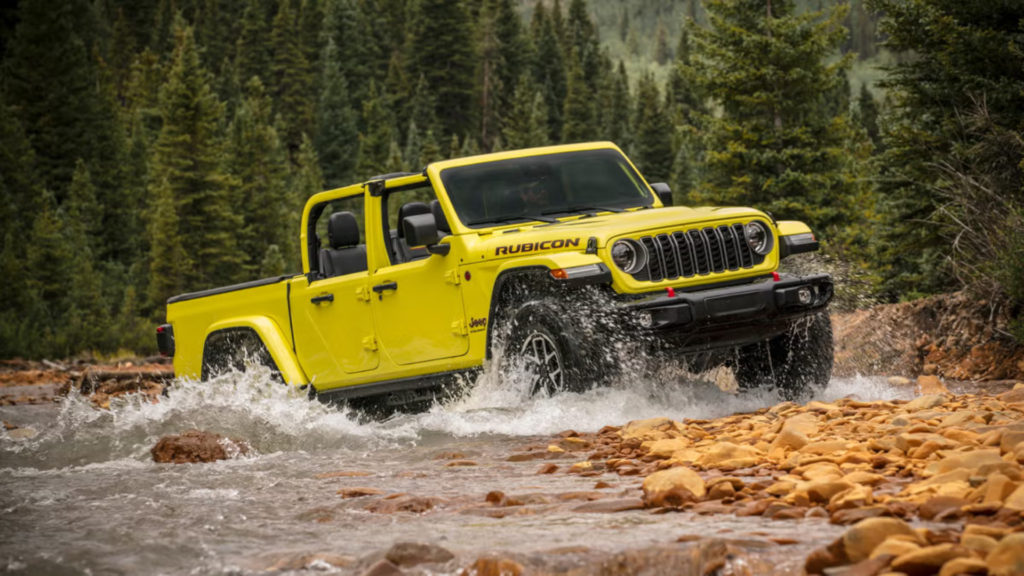
#10 – 2026 Jeep Gladiator: The Pickup Fraud
Design Compromise Problem
The Gladiator is a Wrangler with a truck bed bolted on. That uniqueness worked for a while. Not anymore.
The truck bed is useless for actual work—too small. The off-road capability? You’d be better off with a four-door Wrangler. It’s a compromise that does both things poorly.
Utility Issues
The lifestyle truck segment is cooling off because consumers are getting practical with money. A loaded Gladiator pushes past $50,000. For that money, the refreshed Toyota Tacoma and Ford Ranger offer way better utility and reliability.
Some dealers are offering 20% discounts off MSRP just to move inventory.
- Inventory days: 323 days
- Units nationwide: 16,300
- Average price: $50,300
Better Alternatives
Toyota Tacoma or Ford Ranger—genuine trucks with better payload capacity and warranty support.
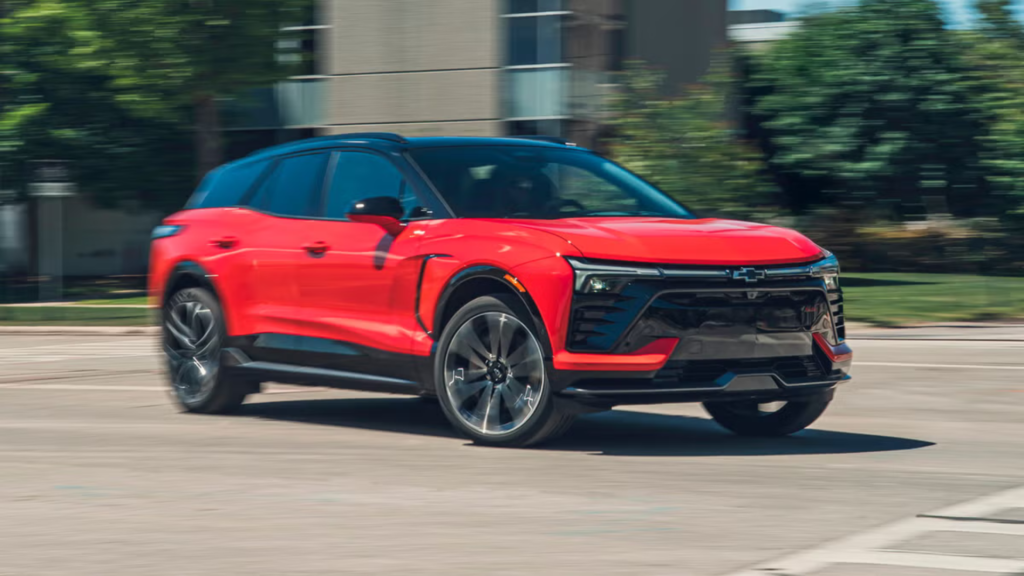
#9 – 2026 Chevrolet Blazer EV: The Software Nightmare
CarPlay/Android Auto Removal
Chevy removed Apple CarPlay and Android Auto. Replaced it with a proprietary Google system consumers absolutely despise. This is one of the worst quality new cars 2026 decisions ever made.
Software & Recall Issues
Owners call the software broken:
- Frozen screens
- Rear camera failures
- Car won’t shut down properly after you exit
- Recall on parking brake wiring harness (brake can activate unexpectedly or fail completely)
Chevy issued a stop-sale order in 2024 to fix it. The 2026 model still has the same problems. This is a $50,000 electric car with software problems and safety recalls that should’ve been fixed two years ago.
- Inventory days: 329 days
- Units: 3,100
- Average price: $49,300
Better Alternatives
Tesla Model Y or Hyundai Ioniq 5—better software, superior build quality, fewer recalls.
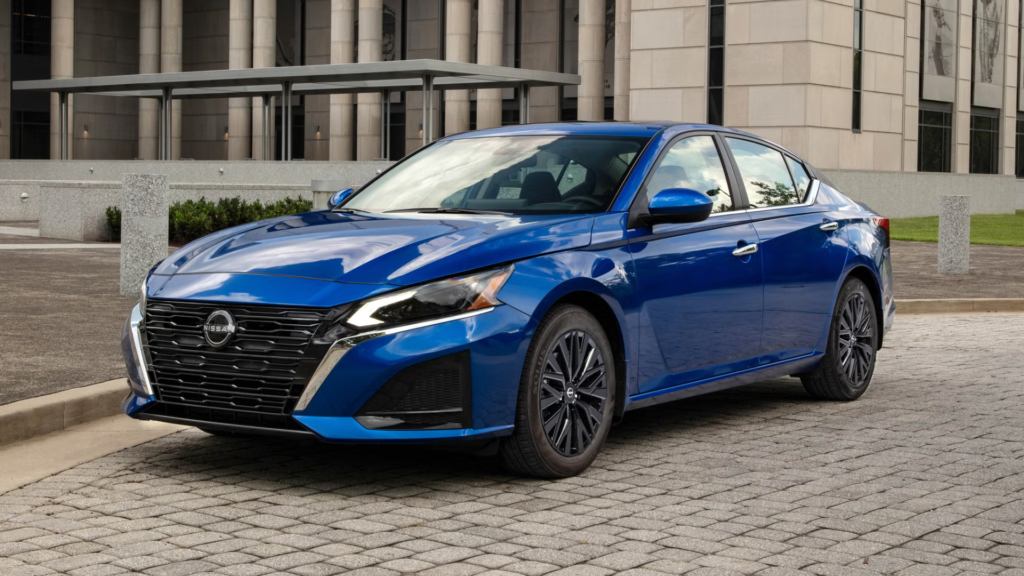
#8 – 2026 Nissan Altima: The Death Announcement
Discontinuation Impact
Nissan announced the 2026 Altima is the final generation before discontinuation. That announcement killed the car instantly. Resale value collapsed overnight. Smart buyers jumped to the Camry or Accord instead.
When manufacturers announce discontinuation, it’s a death knell for that vehicle. Why buy a car you know will be worth nothing in resale?
CVT & Engine Problems
The deeper issue: Nissan’s electronic CVT has been problematic for years. When it fails, repair costs hit $5,500. The engine is known for excessive oil consumption—you’re potentially spending $60 monthly on oil top-offs.
- Inventory days: 357 days
- Units available: 1,100
- Average price: $30,900
Better Alternatives
Toyota Camry or Honda Accord—superior reliability, better resale value, proven CVT systems.
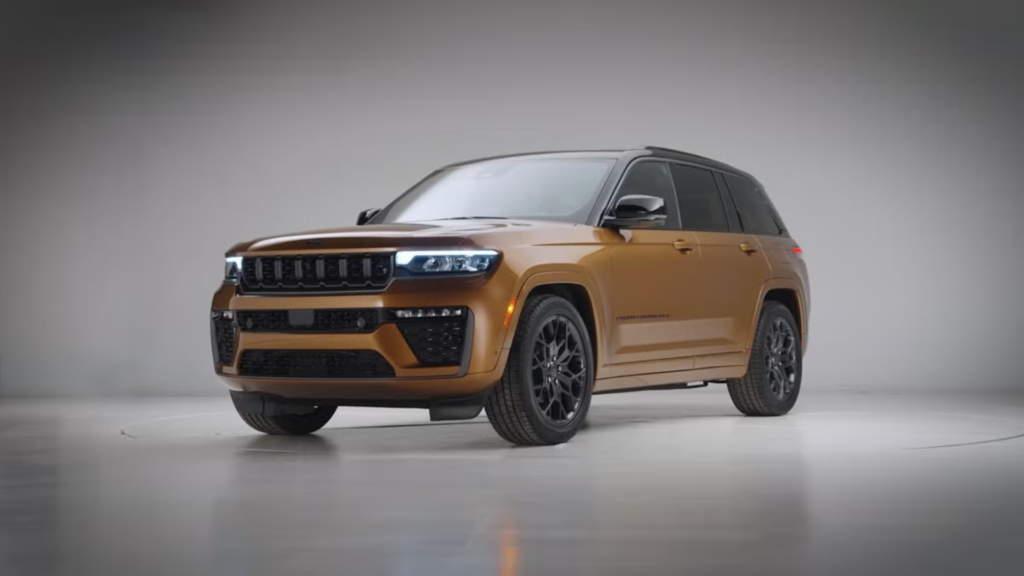
#7 – 2026 Jeep Grand Cherokee Four-Door: The Brand Collapse
Pricing Strategy Failure
Jeep shows up again. That’s two Jeeps in the top seven. That tells you everything about this brand’s struggles right now.
The Grand Cherokee used to be the sweet spot: capable, relatively affordable mid-size SUV. Stellantis pushed prices to $47,000 average. You’re now competing against Hyundai Santa Fe, Kia Sorento, and Toyota Highlander.
Those competitors offer superior refinement, better reliability, and stronger warranties at the same price. Why would you buy a Jeep? New car inventory problems dealerships face is largely self-inflicted through poor pricing strategies like this.
Service & Dealership Issues
- Long service wait times
- Dealerships requiring appointments six weeks out
- Infotainment failures
- Predatory dealership fees
All of this destroyed consumer trust. Loyalty has limits.
- Inventory days: 365 days (a full year of supply!)
- Units: 22,500
- Average price: $49,000
Better Alternatives
Hyundai Santa Fe, Kia Sorento, or Toyota Highlander—all superior options.
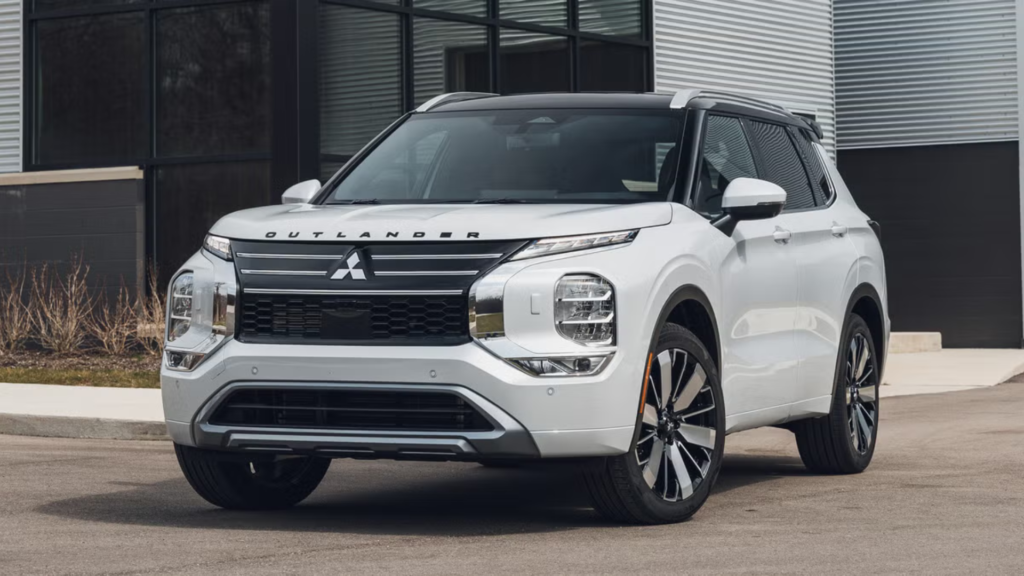
#6 – 2026 Mitsubishi Outlander: The Underpowered Disaster
Horsepower vs. Weight Problem
The Outlander markets itself as a genuine three-row family SUV. It doesn’t deliver. With only 174 horsepower in a 3,700-pound vehicle, it’s lethargic.
When you’re merging onto a highway with a full car, lethargic doesn’t feel safe. Acceleration is painful. Highway merging is stressful.
Third Row Limitations
That third row? Only suitable for children under 10 or pets. The steering is vague. The brake pedal is soft. Outlander’s only competitive advantage used to be value. Dealer markups eliminated that.
- Inventory days: 372 days
- Units on lots: 7,600
- Average price: $37,100
Better Alternatives
Toyota RAV4, Honda CR-V, or Hyundai Santa Fe—all offer better power and usable third rows.
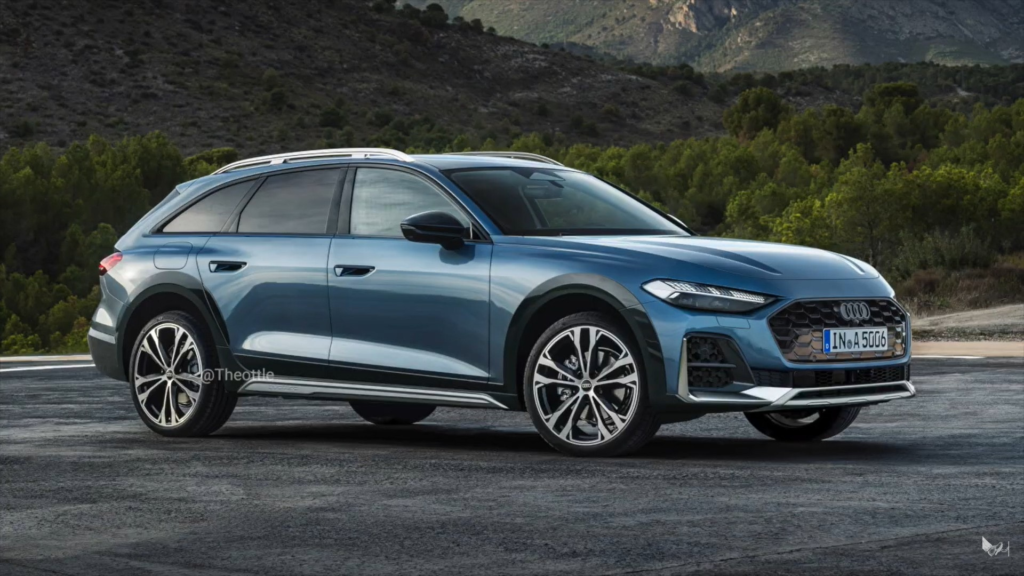
#5 – 2026 Audi A4 Allroad Quattro: The Identity Crisis
Positioning Failure
The Audi A4 Allroad is positioned as a practical alternative to traditional SUVs. Execution is terrible. At $55,000, buyers ask logically: Why wouldn’t I just get a full SUV?
It’s not rugged enough for serious off-roading. Not premium enough to justify Audi pricing. Cars with most recalls 2026 often suffer from this identity confusion.
Warranty & Maintenance Costs
- Warranty coverage weaker than BMW and Mercedes
- Maintenance costs are expensive
- Parts are expensive
- You’re paying luxury prices to fix a vehicle that doesn’t feel particularly luxurious
- Inventory days: 381 days
- Units: 2,900
- Average price: $54,200
Better Alternatives
Subaru Outback or a dedicated SUV—better value and clearer positioning.
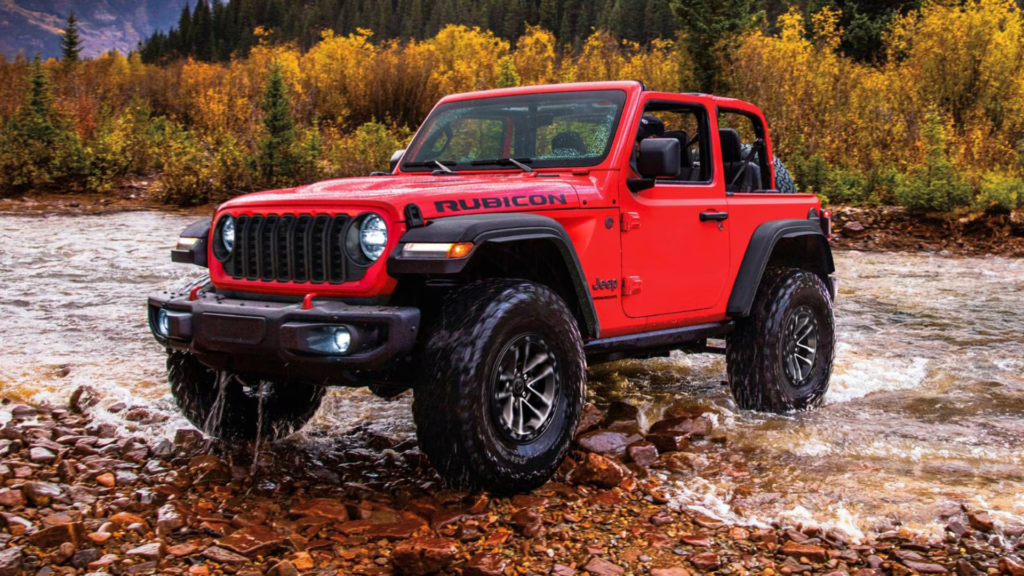
#4 – 2026 Jeep Wrangler Two-Door: The Niche Failure
Two-Door vs. Four-Door Market
Third Jeep on this list. Three separate Jeep models in the top four tells you Jeep as a brand is completely struggling.
Most people who want a Wrangler want the four-door unlimited—more practical, more seating, better for families. Two-door became a niche product. But Jeep prices it like a premium exclusive vehicle. The Willys trim two-door is over $51,000.
Powertrain Failures
Some 2026 owners reported powertrain failures within the first two thousand miles. Check engine lights before break-in is done. How do you justify $50,000 when the engine fails before warranty feels like it started?
- Inventory days: 373 days
- Units on lots: 9,200
- Average price: $42,500
Better Alternatives
Four-door Wrangler unlimited or Toyota 4Runner—better practicality and reliability.
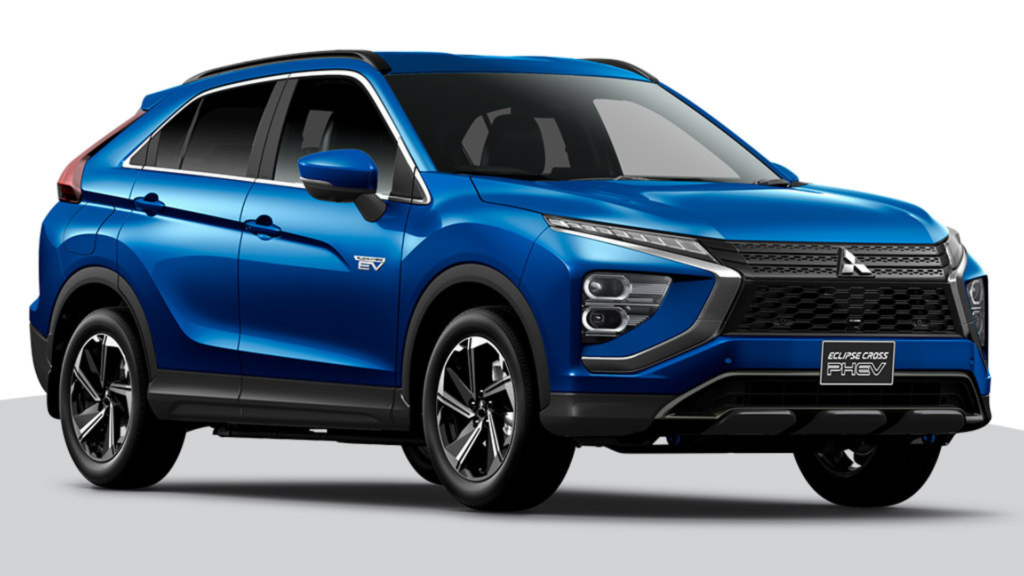
#3 – 2026 Mitsubishi Eclipse Cross PHEV: The PHEV Gamble
Battery Range Issues
Mitsubishi bet big on plug-in hybrid technology. The bet failed spectacularly.
42 miles of battery range in electric mode is underwhelming. Toyota RAV4 Prime offers the same range and executes better on every metric.
Hybrid System Problems
- Gas engine is underpowered
- Slow in electric mode
- Still slow in gas mode (worst of both worlds)
- Infotainment feels like 2018
- Interior feels cheap for a $48,000 vehicle
- Reported issues with hybrid system not transitioning smoothly—the car jolts instead of being seamless
- Inventory days: 385 days
- Units: 3,100
- Average price: $47,900
Better Alternatives
Toyota RAV4 Prime—superior execution, better reliability, stronger warranty.
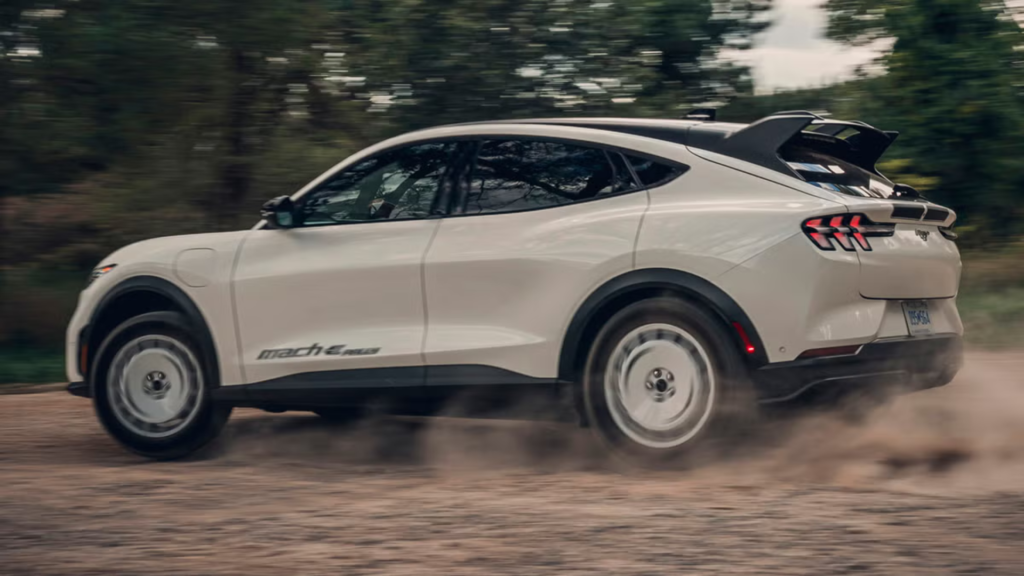
#2 – 2026 Ford Mustang Mach-E: The EV Collapse
Lost Tax Credit Impact
Ford EV sales completely collapsed in Q1 2026. Mach-E deliveries dropped over 60% compared to last year. That’s not a dip—that’s complete market rejection.
First, Mach-E lost its $7,500 federal tax credit eligibility. That made it more expensive than competing EVs. Cars losing value fast 2026 include the Mach-E, which faced perfect storm of negative factors.
Catastrophic Depreciation
Depreciation is catastrophic—60% value loss over five years. One of the worst depreciation rates of any electric vehicle ever made.
Smart buyers realized they could buy a pre-owned Mach-E with a few thousand miles for low $20,000s. Why pay $40,000 for new?
Recall & Software Issues
Active recalls involving:
- Headlight failures
- Blue Cruise software glitches
- Rollaway bugs (car doesn’t stay parked)
- Inventory days: 548 days
- Units waiting: 4,100
- Average price: $49,500
Better Alternatives
Tesla Model 3/Y or Hyundai Ioniq 5—better software, stronger performance, better reliability.
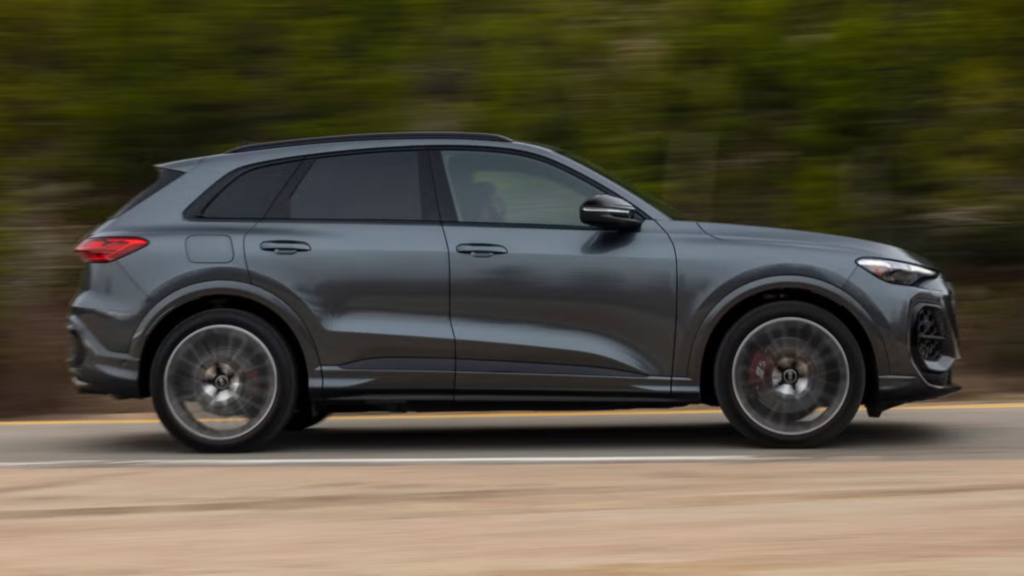
#1 – 2026 Audi SQ5: The Unsellable Masterpiece
The Redesign Disaster
Number one. The single slowest-selling new vehicle in America right now. By an enormous margin.
The 2026 Audi SQ5 was completely redesigned. According to owners and critics, Audi made it substantially worse. This is what completely unsellable cars 2026 look like.
Interior Quality Problems
The interior is the problem. Owners call it cheap for a $76,000 vehicle:
- Glossy piano black plastic everywhere
- Shows every fingerprint
- Scratches if you look at it wrong
- All climate controls moved into the touchscreen (adjusting temperature takes your eyes off the road)
Software & Performance Issues
- Massive software bugs
- MMI system randomly mutes itself like it’s receiving a phone call when there’s no call
- Navigation displays directions but stops announcing them
- Harsh gear changes in dynamic mode
These problems shouldn’t exist on a $76,000 car.
- Inventory days: 626 days
- Units rotting: Nearly two years of inventory
- Average price: $76,000+
- Status: Essentially unsellable
Why It’s the Worst
With 626 days of inventory—almost two full years of cars rotting at dealerships across America—the Audi SQ5 represents everything wrong with poor redesign decisions. A premium-priced vehicle with cheap materials and broken software. This is the ultimate example of unsellable cars 2026.
Better Alternatives
BMW X4, Mercedes-AMG GLC 43, or Porsche Macan—superior build quality, better software, actual premium interiors.
What Should You Buy Instead?
Best Alternatives by Category
Compact SUV: Hyundai Kona, Toyota RAV4, Mazda CX-50
Mid-Size SUV: Hyundai Santa Fe, Kia Sorento, Toyota Highlander
Three-Row SUV: Toyota Highlander, Kia Telluride, Hyundai Palisade
Pickup Trucks: Toyota Tacoma, Ford Ranger, Chevrolet Colorado
Electric Vehicles: Tesla Model 3/Y, Hyundai Ioniq 5, BMW i4
Sedans: Toyota Camry, Honda Accord, Mazda6
FAQ: Unsellable Cars in 2026
Why Are These Cars So Cheap Now?
Massive inventory gluts combined with poor quality perceptions drive prices down. Dealers are desperate to clear inventory. You might find incredible deals—but remember: you get what you pay for.
Can You Negotiate Better Deals on These Vehicles?
Absolutely. With 300+ days of inventory, dealers have massive incentive to move these cars. Expect to negotiate $5,000-$15,000 off MSRP, plus financing incentives.
Are Any of These Cars Safe to Buy Used?
Buying used might make sense at the right price, but understand the potential issues. A $20,000 used Mach-E might seem like a deal, but you’re assuming all the recall and depreciation risks.
What Should I Look for When Buying a 2026 Car?
- Research inventory days (lower is better)
- Check for recalls
- Read owner reviews
- Compare depreciation rates
- Test drive thoroughly
- Inspect service records
Will These Cars Be Worth Anything in 5 Years?
Likely not much. These vehicles will continue depreciating faster than the market average. Buying one of these unsellable cars 2026 could cost you tens of thousands in lost value.
Key Takeaways
The 2026 automotive market reveals critical lessons about manufacturer decisions. When companies prioritize short-term profits over quality, cut corners on interiors, remove popular features, or overprice vehicles, the market punishes them severely.
One wrong car purchase could cost you $50,000. By understanding which vehicles to avoid buying 2026, you’re protecting your investment and making a smarter decision.
Conclusion
Unsellable Cars in 2026 The 14 vehicles in this guide represent tens of billions in stranded capital at dealerships nationwide. They’re unsellable for good reasons: poor quality, bad pricing, recall issues, and lost market appeal.
If you’re shopping for a car in 2026, avoid these vehicles. Your wallet will thank you.
Instead, focus on reliable brands with strong warranties, proven reliability ratings, and positive owner feedback. The market is flooded with inventory—you have all the leverage. Use it wisely.
You can read all blogs by clicking here.