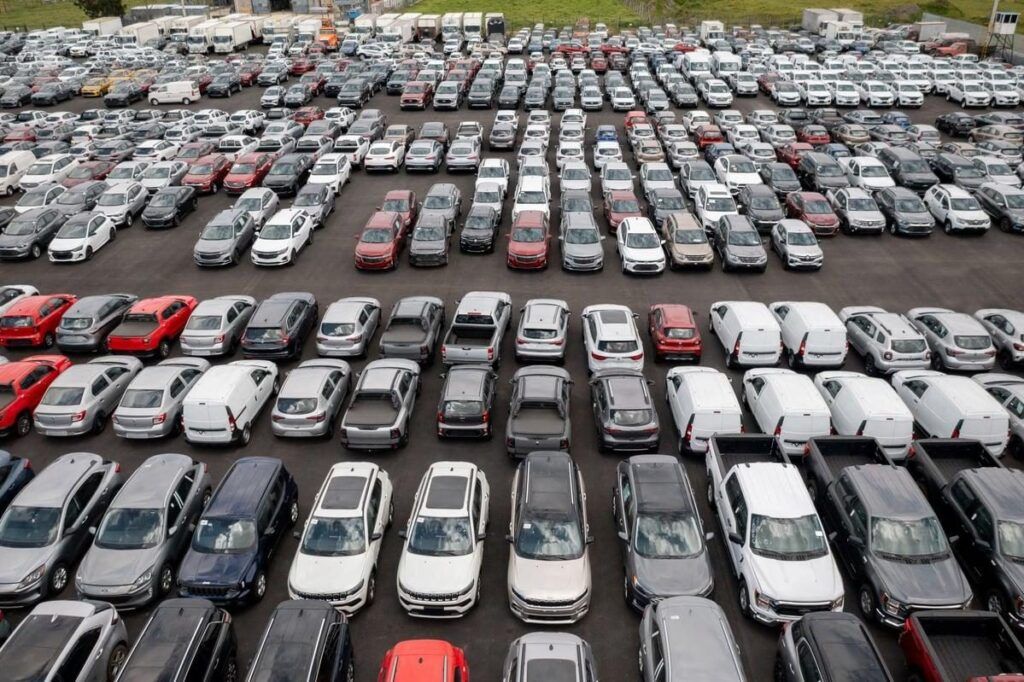
Introduction to Auto Auctions
If you are tired of negotiating with pushy salespeople at traditional dealerships, you might be ready for a thrilling change of pace. Welcome to the exciting world of a car auction, where finding a reliable set of wheels does not have to drain your bank account. Budget shoppers love these sales because vehicles often sell for a fraction of their retail value. Whether you need a dependable commuter or a weekend project, the savings can be truly significant.
How is this possible? Traditional dealerships have high overhead costs, but an auto auction moves inventory quickly and efficiently, often selling fleet vehicles, bank reposessions, and trade-ins directly to the public.
Before you jump in, it helps to balance your enthusiasm with a bit of caution. There are definite risks, as most cars are sold strictly as-is with no warranty attached. First-time buyers should expect a fast-paced environment where quick decisions are necessary. However, the potential rewards far outweigh the risks if you approach the process with patience and preparation. By learning the ropes early, you can turn a potentially overwhelming experience into a smart financial win.
Finding the Right Car Auction Near You
Your first step is knowing where to look. Not every auto auction welcomes everyday buyers. Many wholesale lots are strictly dealer-only sales, meaning you need a licensed auto dealer to participate. As a budget shopper, your focus should be on public car auctions that are open to everyone. These events allow regular buyers to bid directly without any special credentials.
You have several great options in most regions. Local government surplus sales and police impound lots are fantastic places to find reliable vehicles that municipalities no longer need. Major commercial auction houses also host regular sales featuring lease returns, bank repossessions, and trade-ins.
Do not limit yourself to physical lots, either. Today, many platforms offer virtual previews and online bidding options. These digital marketplaces let you browse inventory from your living room, making it easy to research potential purchases before spending a Saturday at the auction yard.
Mastering the Vehicle Inspection Process
Once you find a promising vehicle, performing a thorough vehicle inspection is the most crucial step you can take. Because most auction cars are sold strictly as-is without a warranty, you must evaluate the condition yourself before placing any bids.
When you get access to the preview lot, bring a flashlight and take your time. Check the engine bay for fluid leaks, corrosion, and unusual smells. Examine the tires for uneven tread wear, which might signal suspension or alignment issues. Test the interior electronics, from the power windows to the air conditioning. Walk around the body panels to look for mismatched paint or uneven gaps, which often indicate past accident damage.
To supplement your physical check, always read the auction condition reports. These documents often highlight specific flaws noted by the staff. Combine this with vehicle history reports like Carfax to check for past accidents, title issues, and odometer discrepancies. While you cannot test drive most cars before the sale, doing your homework with these reports and a careful physical look will help you spot hidden problems and avoid costly mistakes.
Smart Bidding Strategies for Beginners
Stepping into an auto auction can feel thrilling, but the fast-paced environment makes it easy to get carried away. To protect your wallet, establish a strict maximum budget before the event begins, and stick to it no matter how intense the bidding gets. Emotional bidding is the easiest way to overpay for a car.
Before you raise your paddle, take time to observe a few sales. Watching the auctioneer and the crowd will help you understand the pace and rhythm of the sale without financial pressure.
Finally, remember that the winning bid is rarely the final price. Factor in hidden fees, such as buyer premiums, local taxes, registration fees, and potential repair costs. If a car needs new tires or minor mechanical work, make sure those expenses still fit comfortably within your total budget.
Completing the Purchase and Taking Your Car Home
Winning the final bid is an exciting rush, but the process is not quite finished yet. You need to settle your account promptly, as auction houses typically require payment in full on the day of the sale or by the following morning. Keep in mind that personal checks and standard credit cards are rarely accepted for vehicle purchases. Instead, you will usually need to bring cash, a certified cashier check, or arrange pre-approved financing through the auction company.
Once the paperwork is signed and paid for, you must arrange to take your new car home. Many auction vehicles are sold without current registration or inspection stickers, meaning you cannot legally drive them on public roads. Plan ahead by hiring a towing service or bringing a truck and trailer to haul your vehicle safely back to your driveway.
Finally, you will need to head to your local Department of Motor Vehicles to handle the official paperwork. Bring the bill of sale, the signed title provided by the auction, and any required passing inspection certificates. Registering the car and transferring the title into your name will officially complete your journey as an auction buyer.
Conclusion and Your Next Steps
Navigating your first auto auction is an exciting adventure that can lead to incredible savings if you stay prepared. By focusing on thorough preparation, understanding public car auctions, using smart bidding strategies, and performing a careful vehicle inspection, you set yourself up for success.
The secret to winning at a car auction is patience. Do your homework, research values, and never let the excitement of the moment push you past your budget. Finding the right vehicle might take a few tries, but staying disciplined will pay off in the end.
Good luck on finding a reliable car at a fantastic price! With the right mindset and a bit of practice, you are ready to drive away happy.