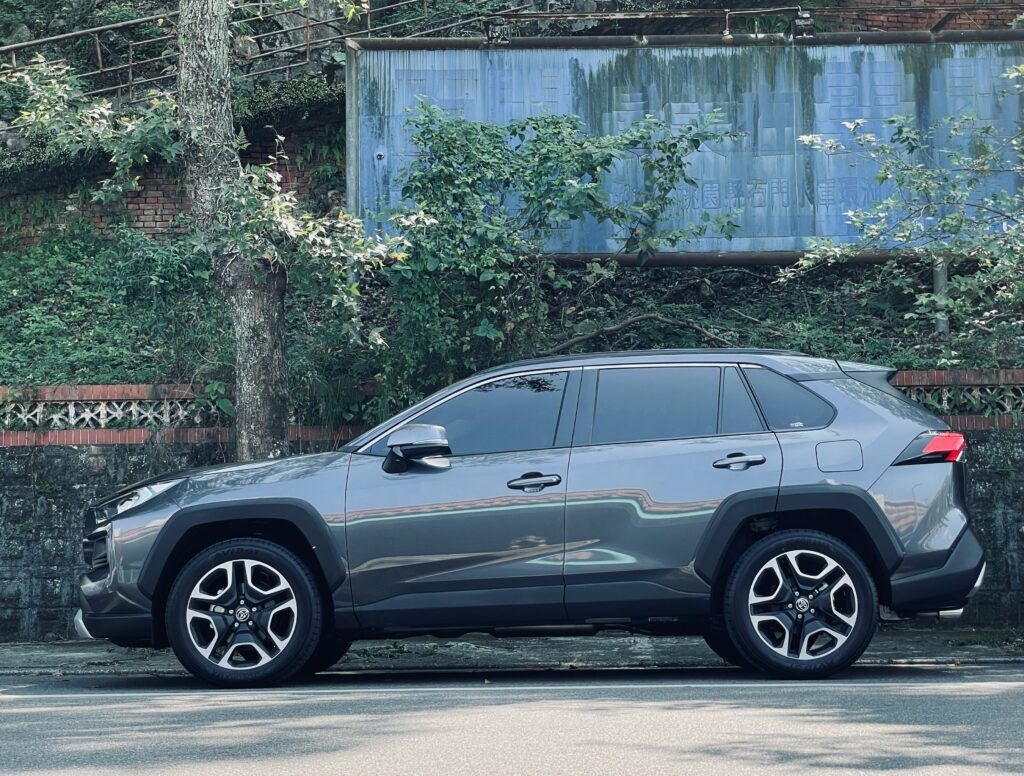
Yes, you can catch many expensive transmission problems before buying a used car. Test it from cold, drive it until fully warm, try every gear and reverse, watch for slips or shudders, inspect for leaks, scan for stored codes, and pay for an independent pre-purchase inspection before money changes hands. A clean-looking car with a silky sales pitch is not proof of a healthy gearbox—cars, like politicians, can behave beautifully for ten minutes.
Quick checklist before you buy
- Ask to see the car cold; do not agree to a pre-warmed vehicle if you can avoid it.
- Check the service history, fluid-service intervals and any transmission replacement or rebuild invoices.
- Look underneath for fresh red, brown or oily fluid and signs of recent cleaning.
- During the drive, test Park, Reverse, Neutral and Drive, then repeat after the car is warm.
- Try light acceleration, moderate acceleration, a hill, stop-and-go traffic and a steady-speed cruise.
- Use manual mode or the low gears, when fitted, and confirm each commanded change happens cleanly.
- Scan the vehicle for stored and pending powertrain codes before purchase.
- Get an independent inspection with a written report and a road test.
1. Start with the paperwork
Ask for the VIN, service records and the owner’s explanation of any transmission work. A documented fluid service is useful; a vague “it was serviced recently” is not. Compare the mileage on invoices with the odometer and look for repeated complaints about slipping, harsh shifts, delayed engagement, overheating or warning lights.
Also run the VIN through the official NHTSA recall search. A recall check is not a mechanical inspection, but open safety recalls and incomplete repair history should be resolved before you treat the car as ready to buy.
2. Inspect the transmission and fluid area
With the car safely parked, look for wetness around the transmission pan, cooler lines, axle seals and the area where the engine and transmission meet. Freshly washed metal can hide a leak, so ask to see the car on a lift if possible. Do not crawl under an unsupported vehicle.
Fluid appearance varies by transmission and manufacturer. Color alone is not a diagnosis, and some modern units are not designed for a casual dipstick check. A burnt smell, metal on a service magnet, low fluid or an unexplained leak deserves a professional opinion—not a hopeful shrug.
3. Test cold engagement
Before the first drive, start the engine yourself. With your foot firmly on the brake, select Reverse and then Drive. Engagement should be prompt and controlled. A long pause, loud bang, serious clunk, engine flare or need to rev the engine before movement is a red flag.
Repeat the test after the drive. Some faults only appear once fluid temperature rises, so one quick lap around the block is not enough.
4. Road-test every situation that exposes faults
Light throttle
At neighborhood speeds, the transmission should shift without repeated jolts, hesitation or a sensation that the car is freewheeling between gears. A mild bump can be normal in some vehicles; a repeatable harsh event is what matters.
Moderate acceleration
Accelerate firmly enough to use several gears. Watch the tachometer. If engine speed jumps without a matching increase in road speed, the transmission may be slipping. Do not confuse normal downshifting with a flare: the question is whether the engine revs rise and then settle without the car accelerating properly.
Steady cruise
At a steady speed on a safe, level road, feel for a repeated vibration, hunting between gears or a shudder during light throttle. Note the speed, engine temperature and road condition so the inspector can reproduce it.
Hill, stop-and-go and reverse
Use a safe incline and ordinary traffic conditions. Test backing uphill only where it is legal and safe. Delayed Reverse, slipping under load, harsh downshifts or a burning smell after the drive are reasons to pause the deal.
5. Use the vehicle’s controls
If the car has manual mode, paddle shifters, a low range or selectable gears, try them carefully. The point is not to race the car; it is to confirm that the transmission responds to reasonable commands without refusing a gear, flaring, banging or displaying a warning.
6. Scan before you negotiate
A dashboard with no warning light does not prove the system is clean. A scan can reveal stored or pending powertrain faults, but a basic code reader cannot replace a technician’s diagnosis. Ask the inspector to record the codes, freeze-frame data where available and whether monitors have recently been reset.
Be cautious if the battery was recently disconnected, codes were just cleared or readiness monitors are incomplete. That is not proof of fraud, but it means the car may not yet have completed the drive conditions needed to reveal a problem.
7. Book an independent pre-purchase inspection
Use a shop you choose, not only the seller’s preferred mechanic. Ask for a lift inspection, fluid and leak check, road test from cold and warm, scan, mount inspection and a written estimate of any immediate or near-term work. If the seller will not allow an independent inspection, treat that refusal as a buying decision, not a minor inconvenience.
When to walk away
- The seller will not provide the VIN or allow a normal road test.
- Reverse or Drive engagement is delayed, violent or inconsistent.
- The tachometer flares without matching acceleration.
- There is a repeatable shudder, grinding, whine or serious bang.
- Fresh leaks appear after the test drive.
- Warning lights return or scan results show unresolved transmission or powertrain codes.
- The seller refuses an independent inspection or insists on deciding immediately.
How to use a problem in your offer
Do not subtract a random repair number from the asking price and call it negotiation. Get a written diagnosis and estimate, add a buffer for unknown damage, then compare the result with another car. If the transmission fault is not diagnosed, the sensible offer may be no offer at all. For the full asking-price and condition decision, compare the vehicle with similar listings and read our guide on how to tell if a used car is overpriced.
For model-specific risk, service campaigns and owner history, also see our Silverado 1500 years to approach carefully guide. The exact VIN and transmission code still matter more than a broad internet label.
Bottom line
Drive the car cold and hot, test every normal condition, scan it, inspect it on a lift and keep the right to walk away. A transmission problem can turn a bargain into a very expensive driveway ornament. If the seller is confident, an independent inspection should not be a dramatic event.