
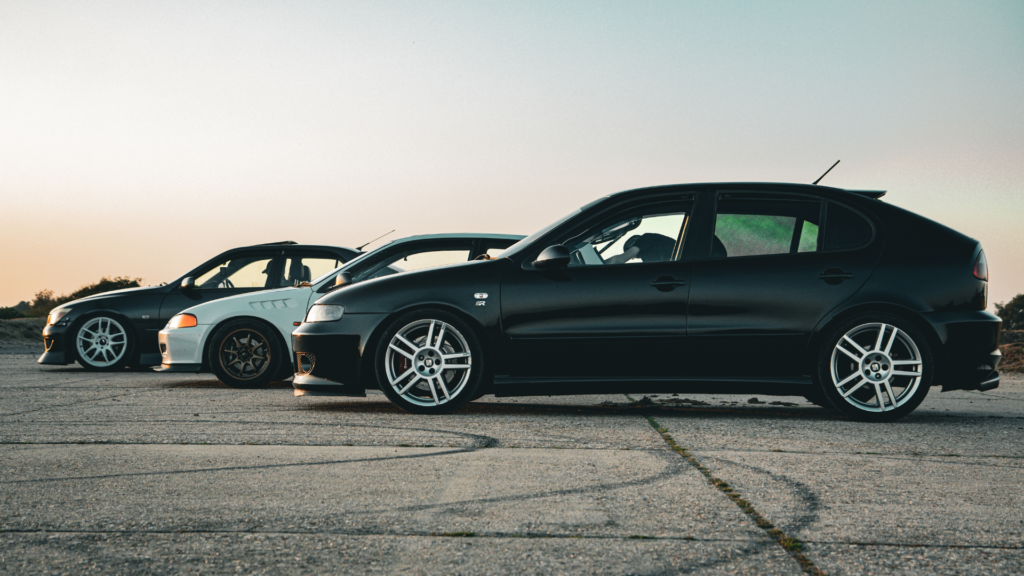
Used Cars to Avoid in 2026 aren’t always the ones people expect. They don’t look dangerous. They don’t feel risky. In fact, they often look like the smartest deals on the market—low prices, luxury badges, and features that seem far above their cost. But that’s where most buyers get it wrong. Because what looks affordable upfront can quickly turn into a financial burden. Expensive repairs, recurring breakdowns, and hidden maintenance costs start stacking up—and before you realize it, the car you thought would save you money ends up costing far more than you planned.
Want the other side of the list? See our 12 Most Reliable Cars in 2026 for models built around proven engines and long-term dependability.
Why Used Cars to Avoid in 2026 Become Financial Traps
Used Cars to Avoid in 2026 Often Look Like Great Deals
The biggest reason buyers fall into these traps is simple—they look like smart purchases. A low asking price, a premium badge, and features that feel far above the cost create the illusion of value. It feels like you’re getting more car for less money. But in reality, these deals are often based on heavy depreciation, not actual affordability. The car may be cheap to buy, but that doesn’t mean it’s cheap to own. And that’s where most people get caught off guard.
Hidden Ownership Costs in Cars with High Maintenance Cost
What most buyers don’t calculate is what happens after the purchase. Cars with high maintenance cost don’t just hit you once—they keep hitting you over time. Expensive parts, specialized labor, and frequent repairs quickly add up. A single failure can cost thousands, and in many cases, it’s not just one issue. Maintenance, wear-and-tear components, and unexpected breakdowns create a cycle of spending that turns a “cheap car” into a long-term financial burden.
Why Unreliable Used Cars List Keeps Growing Every Year
Modern vehicles are more complex than ever. More sensors, more electronics, and more interconnected systems mean more potential failure points as cars age. That’s why the unreliable used cars list continues to grow every year. Problems are no longer isolated—they’re system-based. One faulty sensor can affect multiple components, triggering warning lights and expensive diagnostics. As complexity increases, long-term reliability decreases, making certain used cars far riskier than they appear at first glance.
10 Used Cars to Avoid in 2026 That Look Cheap but Cost You More
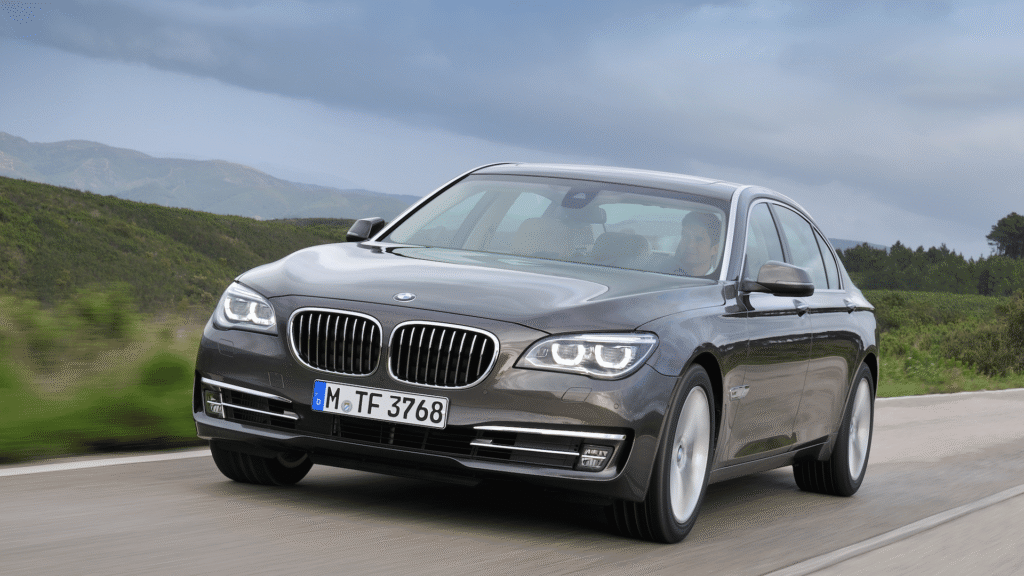
#10 – BMW 7 Series (2006–2015)
The BMW 7 Series is the perfect example of luxury depreciation. A car that once cost over $80,000 can now be found at a fraction of that price, making it feel like an incredible deal. But the reality is very different. This generation is packed with complex systems—air suspension, advanced iDrive electronics, and multiple control modules. As these components age, failures become common and expensive. Repairs can easily run into thousands, and issues rarely come alone. What starts as a small fault often turns into a chain of problems. Cheap to buy, but brutally expensive to maintain.
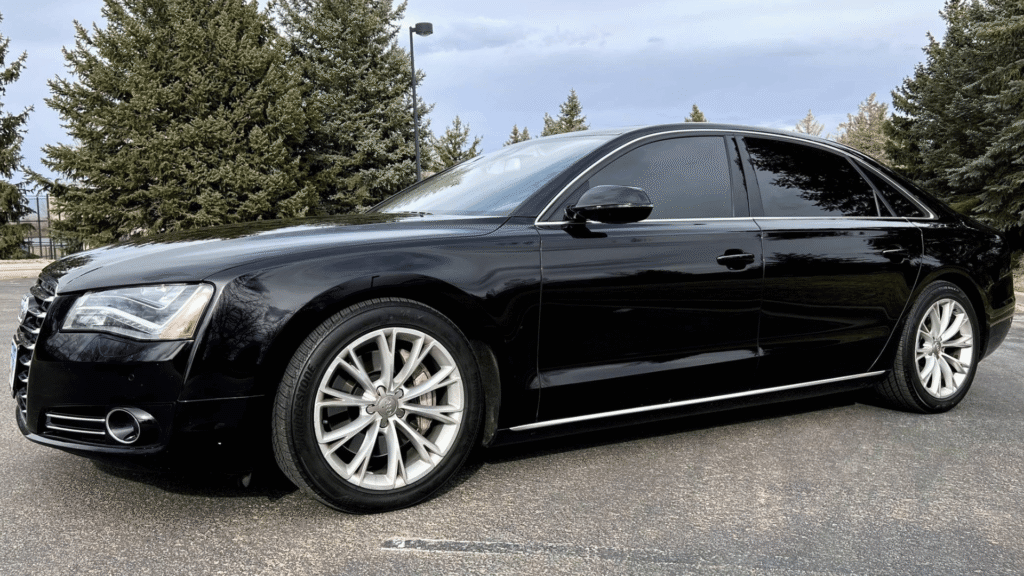
#9 – Audi A8 (2004–2014)
The Audi A8 showcases advanced engineering—but that same engineering becomes a liability over time. Its aluminum body construction makes even minor repairs costly. Add to that the air suspension system and a highly complex electronic setup, and ownership quickly becomes expensive. Electrical faults, warning lights, and system failures become more frequent as the car ages. The biggest issue isn’t just the cost—it’s the unpredictability. You’re not fixing one problem; you’re constantly chasing the next one.
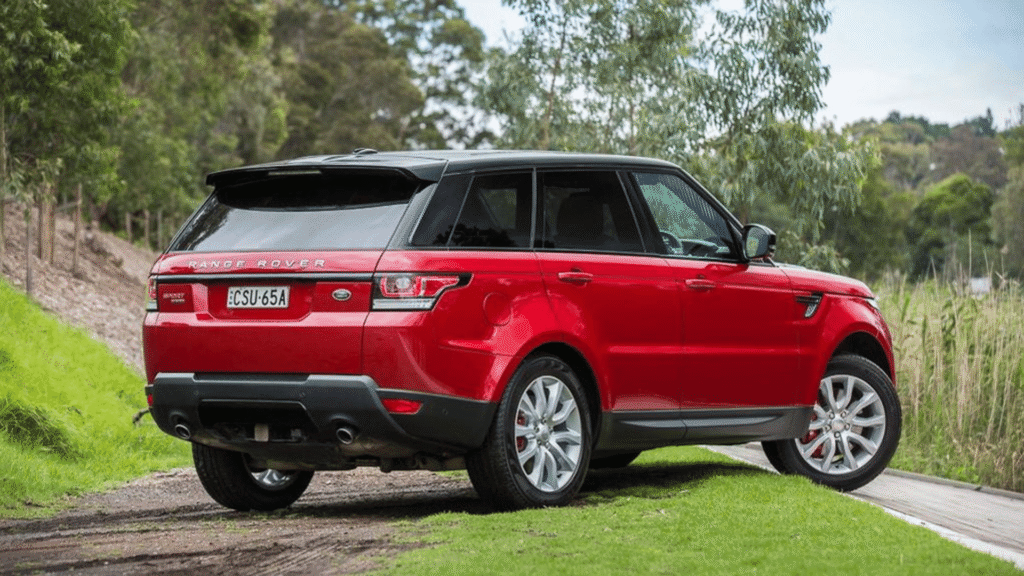
#8 – Range Rover (2005–2016)
A used Range Rover under $10,000 looks like a luxury bargain—but it’s one of the biggest traps on the market. Known for air suspension failures and cooling system issues, these SUVs require constant attention. Radiators, water pumps, and hoses are common weak points, and repairs are rarely cheap. The problem is consistency—issues don’t come occasionally, they become part of ownership. Despite the low purchase price, maintenance costs remain at luxury levels. What looks like a status symbol quickly turns into a financial burden.
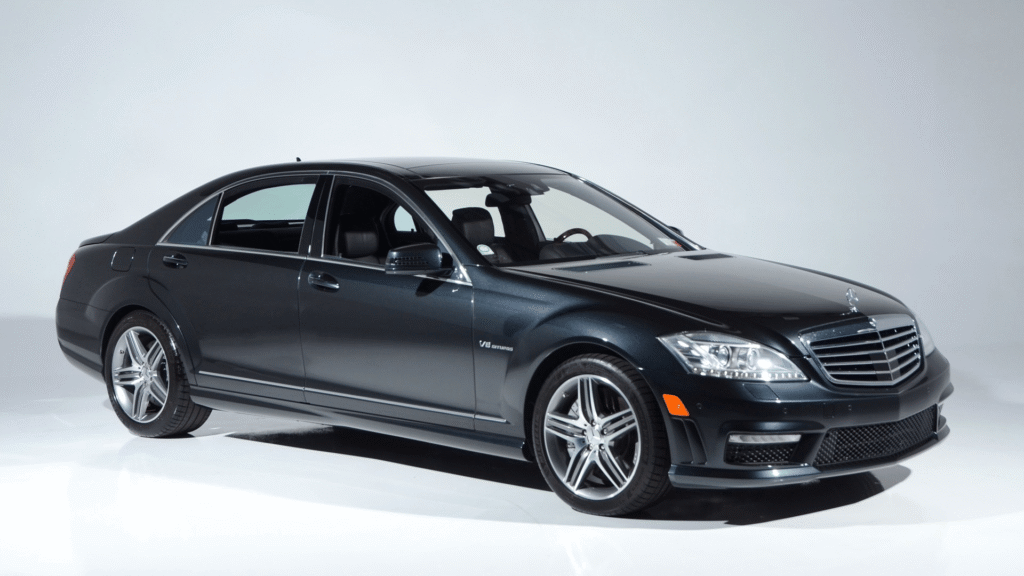
#7 – Mercedes S-Class (2007–2013)
The S-Class was designed to be ahead of its time, and that’s exactly why it becomes expensive later. Packed with advanced features, sensors, and electronic systems, it delivers incredible comfort—but at a cost. The AIRMATIC suspension system is a known failure point, and repairs can be significant. As the car ages, electronic modules begin to fail, sensors lose accuracy, and warning lights become more frequent. Repairs are complex and expensive, and problems rarely stay isolated. Everything works perfectly—until it doesn’t.
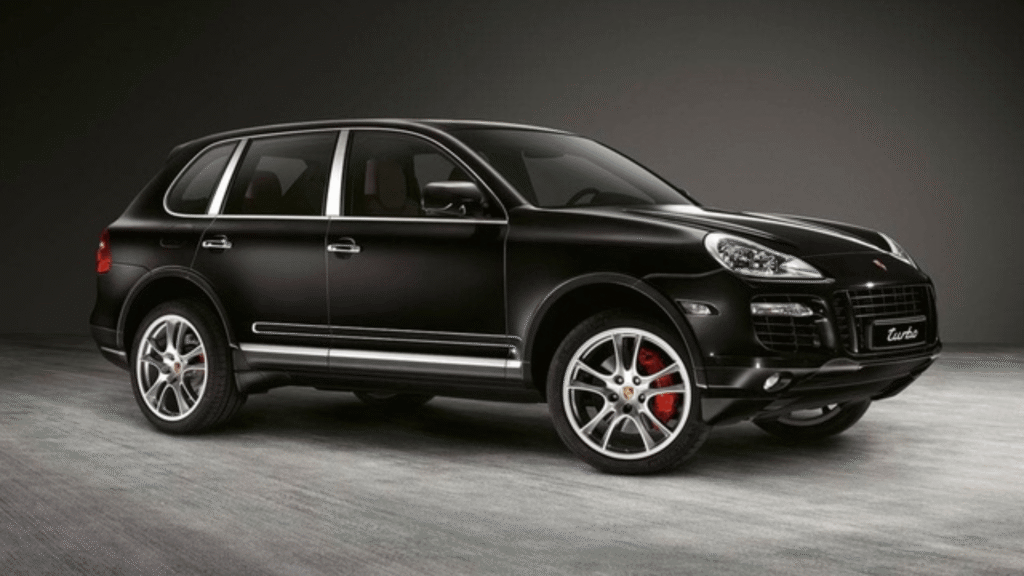
#6 – Porsche Cayenne (2004–2010)
The Porsche Cayenne offers a low-cost entry into a premium brand, but that entry comes with long-term expenses. Early models are known for specific issues like driveshaft bearing failure and cooling pipe problems—both costly to fix. On top of that, general maintenance is expensive due to parts and labor. These aren’t one-time issues; they tend to stack over time. One repair leads to another, and ownership becomes a continuous expense. It may feel like affordable performance, but the long-term reality is very different.
Worst Used Cars 2026 – Models That Drain Your Wallet Fast
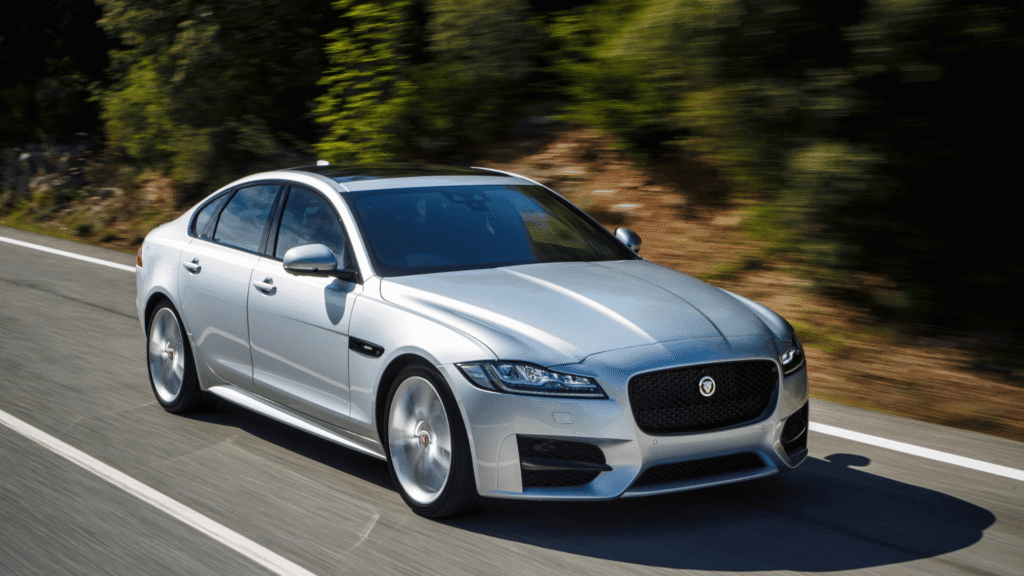
#5 – Jaguar XF (2009–2015)
The Jaguar XF is one of those cars that pulls buyers in instantly. It looks premium, feels refined, and on the used market, the price seems surprisingly reasonable. But ownership tells a different story. Electrical issues are a major concern—random warning lights, malfunctioning features, and problems that are difficult to diagnose. On top of that, parts availability can be inconsistent, which means longer repair times and higher costs. It may look like a luxury deal, but the unpredictability makes it a risky long-term choice.
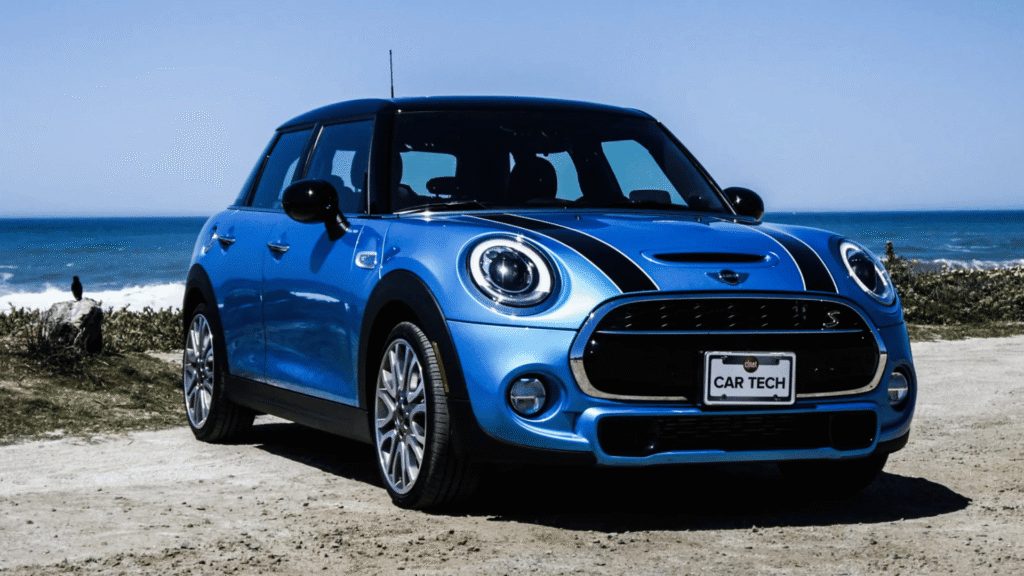
#4 – Mini Cooper (2007–2015)
The Mini Cooper is fun, stylish, and easy to fall in love with. But long-term ownership is where problems begin to show. Timing chain failures are one of the most common and expensive issues, especially on higher mileage models. Turbocharger problems add another layer of cost. These aren’t rare or isolated problems—they tend to repeat over time. What starts as an affordable, fun car slowly turns into a series of ongoing repairs. Small car, but consistently high maintenance costs.
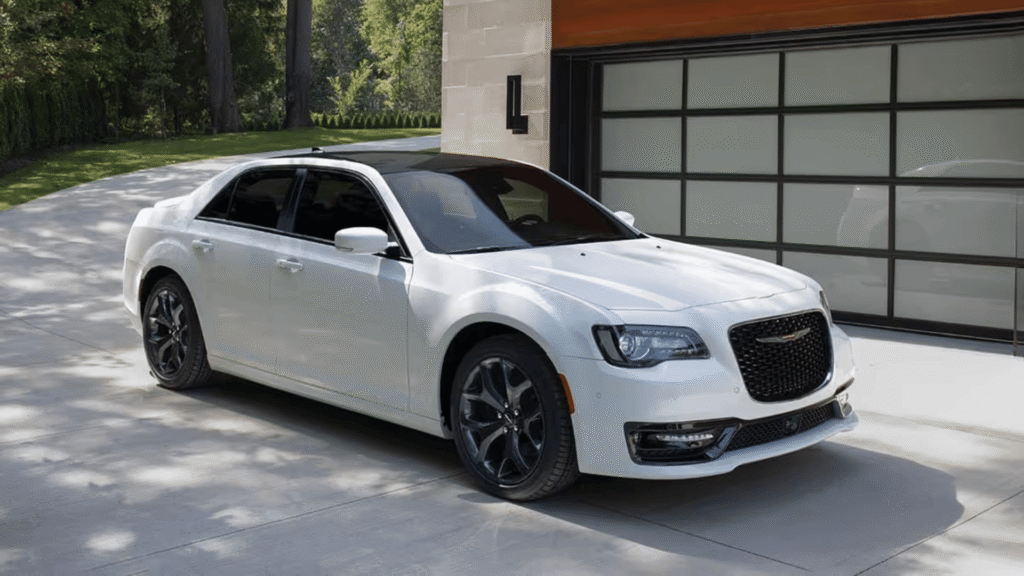
#3 – Chrysler 300 (Early Models)
The Chrysler 300 sells an image of luxury and presence at an affordable price. It looks bold, feels substantial, and seems like great value on the used market. But underneath that image, long-term reliability is a concern. Transmission issues and electrical problems are common as the car ages. These problems don’t usually appear all at once—they build over time. One issue leads to another, and the ownership experience gradually becomes more expensive and frustrating. It may look premium, but it doesn’t age like one.
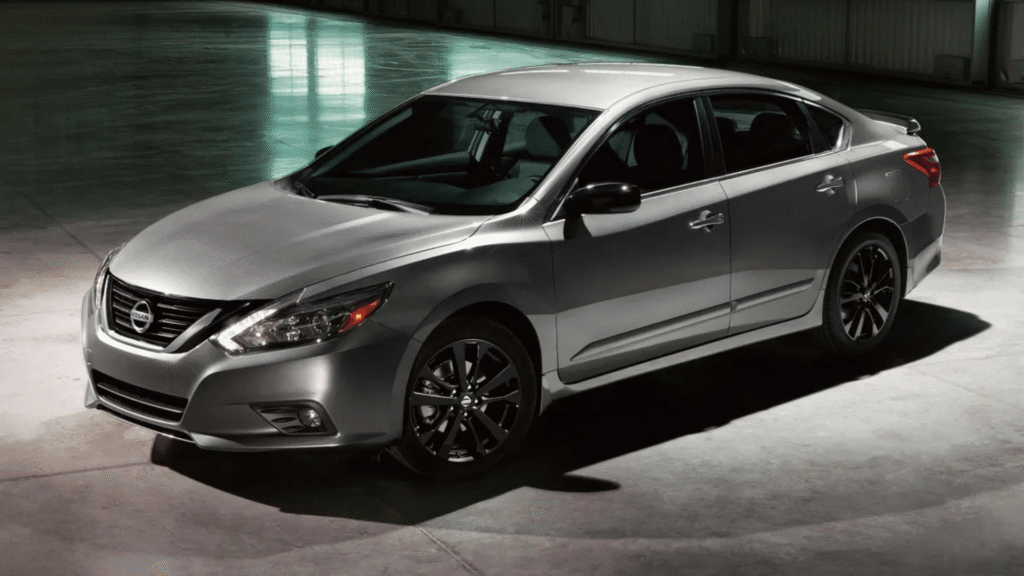
#2 – Nissan Altima (2013–2018 CVT Models)
The Nissan Altima feels like a safe, practical choice—and that’s exactly why it catches people off guard. It’s common, affordable, and efficient. But the real issue is hidden in the transmission. These models are known for CVT failures, and when it happens, it’s not a repair—it’s a full replacement. That means thousands of dollars in cost, often without much warning. No luxury badge, no high-performance expectations—just a regular car with a very expensive weakness. One failure can completely change the ownership experience.
#1 – Cheap German Cars Under $10K
This is the biggest financial trap on the used car market. Old BMWs, Audis, and Mercedes-Benz models under $10,000 look like incredible deals. Premium engineering, luxury features, and a prestigious badge—all at the price of an economy car. But these cars aren’t cheap—they’re depreciated. By this stage, they’re out of warranty, and multiple systems are aging at the same time. Sensors, modules, suspension components, and electronics start to fail together. It’s not one repair—it’s a chain reaction. You fix one issue, and another appears. Over time, ownership becomes a continuous cycle of repairs.
Common Problems in Cars with Expensive Repairs
Air Suspension Issues in Unreliable Used Cars
Air suspension systems are designed to deliver a smooth, premium ride—but they become a major liability as cars age. Components like air struts, compressors, and sensors wear out over time, and when they fail, repairs are expensive. In many unreliable used cars, air suspension problems don’t come alone. One failed component can affect the entire system, leading to uneven ride height, warning lights, and costly replacements. What starts as a comfort feature quickly turns into a financial burden.
CVT Failures in Cars Not to Buy Used
Continuously Variable Transmissions (CVTs) are known for fuel efficiency, but certain models have serious reliability concerns. In many cars not to buy used, CVT failure is one of the biggest risks. Unlike traditional transmissions, CVTs often cannot be repaired easily—they usually require full replacement. That means thousands of dollars in costs, often hitting without much warning. Once the transmission fails, the entire value equation of the car changes instantly.
Electrical Problems in Worst Used Cars 2026
Modern vehicles rely heavily on electronics, and this is where things start to go wrong with age. The worst used cars in 2026 are often loaded with sensors, modules, and complex wiring systems. As these components wear out, issues become harder to diagnose. Random warning lights, malfunctioning features, and system errors become common. The biggest problem is that faults are rarely isolated—one electrical issue can affect multiple systems, increasing both repair complexity and cost.
Why Cars with High Maintenance Cost Keep Getting Worse
Cars with high maintenance cost don’t just stay expensive—they become more expensive over time. As multiple components age together, failures begin to overlap. Suspension, electronics, engine components, and transmission systems all start showing wear. Instead of fixing one issue at a time, owners find themselves dealing with multiple repairs at once. This creates a cycle where costs keep stacking, making long-term ownership financially draining.
How to Avoid Cars Not to Buy Used in 2026
Avoid Unreliable Used Cars with Poor History
The first step is simple—never ignore a car’s history. Many unreliable used cars come with hidden problems that aren’t visible during a quick inspection. Missed maintenance, accident history, and repeated repairs are all warning signs. A cheap price often reflects these risks. Always check service records, ownership history, and any past major repairs. If the history isn’t clear, the risk is higher than it looks.
Choose Cars with Low Maintenance Cost Instead
Instead of chasing a low purchase price, focus on long-term ownership cost. Cars with low maintenance cost are usually built on simpler, proven platforms. Parts are easier to find, labor is less complicated, and repairs are more predictable. These vehicles may not look exciting, but they save money over time. The goal isn’t to buy the cheapest car—it’s to buy the one that costs the least to own.
Focus on Proven Models Over Cheap Luxury Cars
Cheap luxury cars are one of the biggest traps in the used market. They offer features, comfort, and brand value at a low price—but come with high long-term costs. Proven models, on the other hand, are built for durability and consistency. They may not have the same badge appeal, but they deliver reliability and lower risk. Choosing a proven model over a cheap luxury car is one of the smartest financial decisions a buyer can make.
Final Thoughts on Used Cars to Avoid in 2026
Why Used Cars to Avoid in 2026 Are Financial Mistakes
The biggest problem with used cars to avoid in 2026 isn’t just reliability—it’s the financial impact over time. These cars are often bought for their low price, premium feel, or features, but none of that reflects what ownership actually costs. Expensive repairs, recurring issues, and system failures turn what seemed like a smart deal into a long-term liability. The mistake isn’t buying a used car—it’s buying the wrong one without understanding the hidden costs behind it.
Before buying any used car, check whether the asking price actually matches the market. Run it through the Bidding for Autos Free Deal Check before you make an offer.
Smart Buyers Avoid Cars with Expensive Repairs
Smart buyers don’t focus on the badge or the deal—they focus on the numbers over time. Cars with expensive repairs rarely stay affordable, and once problems begin, they tend to repeat. That’s why experienced buyers prioritize reliability, simplicity, and proven performance over features and brand image. Because in the end, the goal isn’t just to buy a car—it’s to own one without constantly paying for it.
You can read all blogs by clicking here.