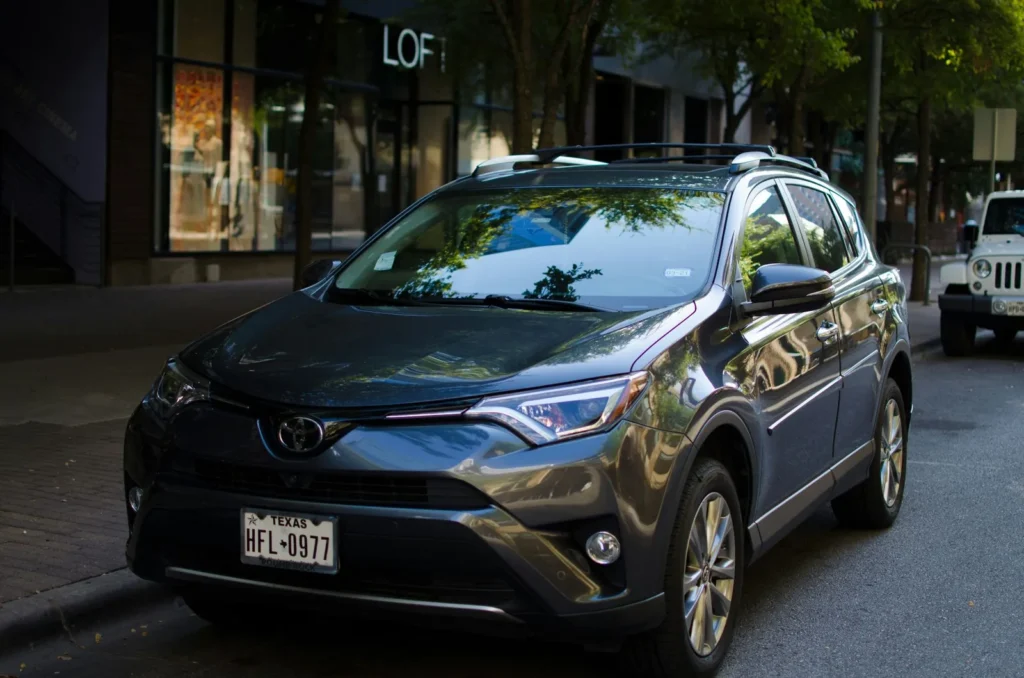
The Toyota RAV4 model years to avoid are 2001–2003, 2006–2008, 2013, and 2019. While the RAV4 is famous for clearing 200,000 miles with routine maintenance, specific redesign years suffer from severe oil consumption, transmission shudder, fuel pump failures, and high-voltage hybrid cable corrosion (“Cablegate”).
If you want maximum reliability without inheriting someone else’s $3,500 repair bill, target the 2016–2018 or 2021–2024 model years. Below is the complete year-by-year breakdown of what breaks, what it costs to fix, and how to verify a clean used RAV4 before signing paperwork.
Toyota RAV4 Reliability at a Glance (2001–2025)
| Model Years | Generation | Top Known Problems | Est. Repair Cost | Buyer Verdict |
|---|---|---|---|---|
| 2001–2003 | 2nd Gen | ECM failure causing harsh automatic shifting and transaxle damage | $1,500–$3,500 | Avoid |
| 2004–2005 | 2nd Gen | Age-related wear; verify Takata airbag recall completion | $300–$900 | Budget Buy |
| 2006–2008 | 3rd Gen | Severe 2.4L piston ring oil consumption; head gasket failure | $2,500–$4,500 | Avoid |
| 2009–2012 | 3rd Gen | Minor steering shaft clunk; roof/rear hatch rust on northern cars | $400–$1,000 | Best Under $10k |
| 2013–2014 | 4th Gen | Torque converter shudder; sunroof drain leaks | $800–$2,200 | Avoid / Caution |
| 2015–2018 | 4th Gen | Rare AWD coupler wear; largely bulletproof 2.5L + 6-speed powertrain | $500–$1,200 | Best Overall Value |
| 2019–2020 | 5th Gen | 8-speed gear hunting, fuel pump recall, roof rail water leaks, Hybrid “Cablegate” | $1,200–$5,000+ | Avoid 2019 / Inspect 2020 |
| 2021–2024 | 5th Gen | Infotainment glitches; inspect rear hybrid cable on Snow Belt AWD Hybrids | $300–$800 | Best Modern Buy |
The 4 Worst Toyota RAV4 Model Years to Avoid
1. 2006–2008 RAV4 (Excessive Oil Consumption)
The 2006–2008 RAV4 is the single biggest financial trap in the model’s history. Equipped with Toyota’s 2.4-liter 2AZ-FE four-cylinder engine, these SUVs suffer from defective piston rings that allow oil to slip past the cylinder walls.
- The Symptom: Engines burning up to a full quart of oil every 1,000 to 1,200 miles. Drivers who don’t check the dipstick weekly often run the crankcase dry and seize the engine.
- The Cost: Toyota’s warranty enhancement program for this defect expired years ago. Rebuilding the pistons or swapping in a used engine runs $2,500 to $4,500—often more than the vehicle is worth. Note: V6 models from 2006–2008 do not have this piston ring flaw, though water pump replacements are labor-intensive.
2. 2019 RAV4 (First-Year Redesign Bugs)
Never buy the first model year of a major automotive redesign, and the 2019 RAV4 proves why. It logged more than 500 NHTSA owner complaints—dramatically higher than surrounding years.
- The Symptoms: Hesitant, jerky shifting from the new 8-speed automatic transmission, low-pressure fuel pump failures that cause stalling, water leaks through the roof rack mounting clips that stain the headliner, and a fuel tank design flaw on 2019–2021 Hybrids that prevented full fill-ups.
- The Cost: While recalls covered the fuel pump and customer support programs addressed early roof leaks, buying a 2019 out of warranty means paying $1,200 to $2,500 out of pocket if water intrusion damaged roof airbag wiring or interior electronics.
3. 2013 RAV4 (Torque Converter Shudder)
Launching the fourth generation, the 2013 RAV4 introduced a new 6-speed automatic transmission that frequently developed torque converter shudder between 25 and 50 mph.
- The Symptom: A noticeable vibration—feeling like driving over rumble strips—during light acceleration.
- The Cost: If caught early, a transmission fluid flush and software update can resolve it. If ignored by the previous owner, replacing the torque converter or transmission costs $1,800 to $2,800.
4. 2001–2003 RAV4 Automatic (ECM & Transmission Failure)
Early second-generation automatic RAV4s suffer from a faulty Engine Control Module (ECM) that sends incorrect shift commands to the transmission.
- The Symptom: Harsh, delayed shifts into reverse or drive that physically shred the planetary gears inside the transaxle.
- The Cost: Because both the ECM and transmission must be repaired or replaced together, repair bills easily exceed $2,500 on a 20+ year-old SUV.
Found a Used RAV4? Don’t Guess on the Price or History.
Dealerships price problem years the exact same way they price bullet-proof ones. Enter the listing details into BiddingForAutos Deal Check to see if the asking price is fair—and uncover hidden red flags before you negotiate.
What About RAV4 Hybrid “Cablegate” (2019–2024)?
If you are shopping for a 2019–2024 AWD RAV4 Hybrid or 2021–2024 RAV4 Prime, you must check for a specific issue known online as “Cablegate.”
On these models, the high-voltage orange power cable connecting the hybrid battery to the rear electric motor sits exposed underneath the vehicle. In northern states where roads are heavily salted in winter, trapped moisture and salt corrode the braided metal shield inside the connector.
- How to Spot It: Tune the AM radio to static—if static interference spikes when accelerating, the cable shielding is likely corroded. Even better, have a mechanic inspect the rear undercarriage connector during a Pre-Purchase Inspection (PPI).
- Repair Cost: Out of warranty, replacing the entire high-voltage harness costs $4,500 to $5,500. Toyota extended warranty coverage on the cable for certain 2019–2022 hybrids up to 8 years or 100,000 miles, so always verify warranty status by VIN before buying a Snow Belt hybrid.
The Best Toyota RAV4 Model Years to Buy Used
Best Overall Value: 2016–2018 Toyota RAV4
By 2016, Toyota had ironed out the 2013–2014 transmission shudder, refreshed the exterior, and upgraded cabin sound insulation. Starting in 2017, Toyota Safety Sense P (automatic emergency braking, lane departure alert, and adaptive cruise control) became standard on every single trim. Its naturally aspirated 2.5L engine and traditional 6-speed automatic are widely considered one of the most durable powertrains ever built.
Best Modern Used Buy: 2021–2024 Toyota RAV4
By 2021, Toyota had resolved the 2019 redesign’s transmission programming glitches, fuel pump defects, and roof rail leaks. You get modern safety tech, Apple CarPlay/Android Auto, up to 35 mpg highway (or 40 mpg combined in the Hybrid), and strong resale value.
Best Budget Pick Under $10,000: 2010–2012 Toyota RAV4
Toyota replaced the oil-burning 2.4L engine with a revised 2.5L four-cylinder in 2009. The 2010–2012 models give you the roomier third-generation cargo area (plus an optional 269-horsepower V6) without the piston ring defect. Just check the rear hatch and undercarriage for rust.
4-Step Checklist Before Buying Any Used RAV4
- Run the VIN for Open Recalls & History: Verify that the 2019–2020 fuel pump recall and any airbag recalls were completed, and check for salvage, flood, or odometer discrepancies. See our guide on How to Read a Used Car History Report.
- Inspect the Roof Headliner & Rear Subframe: On 2019–2021 models, look at the A-pillars and ceiling corners for faint water stains from roof rail clips. On Snow Belt hybrids, have a mechanic check the rear orange high-voltage cable connector.
- Check Tire Date Codes & Tread Depth: All-wheel-drive RAV4s require all four tires to match closely in tread depth, or you risk burning out the center AWD coupling. Check the 4-digit DOT code on the sidewall to make sure the tires aren’t expired.
- Verify the Dealer’s Asking Price Before Negotiating: Never walk onto a lot using the dealership’s window price as your anchor.
Ready to Make an Offer on a Used RAV4?
Before you wire a deposit or sign a buyer’s order, check the exact deal math. Get an instant Free Deal Score—or unlock a $9.99 Full Deal Check Report with fair market target pricing, hidden fee alerts, and a custom negotiation script.